Wilderness Landscape & Natural Heritage
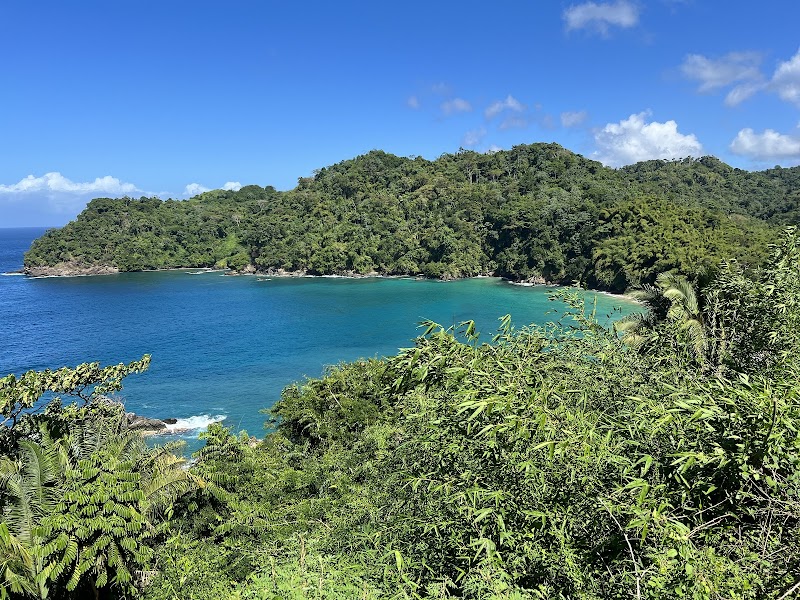
Parque Nacional Península de Paria, established in 1973, protects nearly 122,000 acres of the unique biodiversity found on the northeastern tip of Venezuela. This national park spans the rugged terrain of the Paria Peninsula, where the Andes Mountains descend into the Caribbean Sea. The park’s geography includes dense tropical rainforests, cloud forests at higher elevations, mangroves, white sandy beaches, and coastal marine environments. Its isolation has allowed a wide variety of endemic and endangered species to thrive, including rare birds such as the Paria whitestart (Myioborus pariae) and the yellow-shouldered amazon parrot (Amazona barbadensis). The rainforest canopy shelters monkeys, jaguars, and countless reptiles and amphibians, while the offshore waters are important nurseries for marine life. Visitors are drawn to the park for hiking along remote trails through lush forests, wildlife watching, and coastal activities such as snorkeling and fishing. Notable landmarks include the pristine beaches of Playa Medina and Playa San Juan, as well as scenic viewpoints overlooking the Caribbean coastline. Access is typically via the nearby towns of Irapa and Carúpano, with limited infrastructure preserving the area’s wild character. The park offers a rare opportunity to explore one of Venezuela’s most ecologically significant and scenically stunning protected areas, appealing to adventurers, naturalists, and conservation-minded travelers.