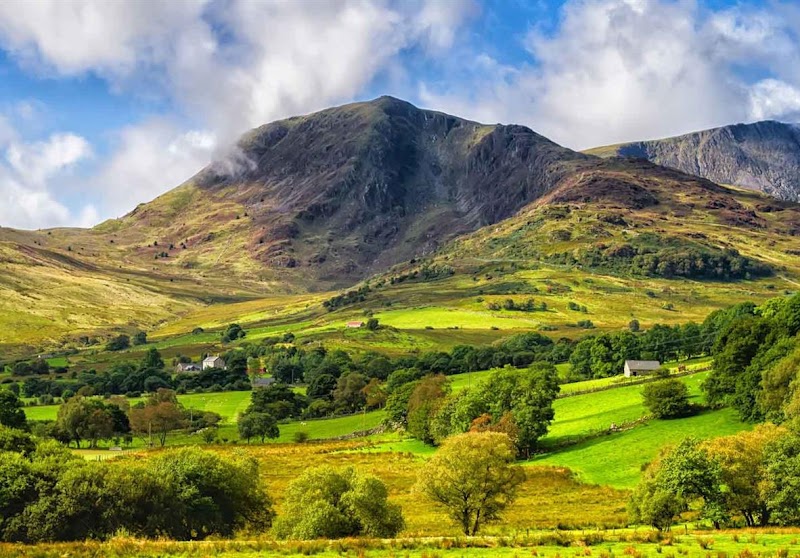
Wilderness Landscape & Natural Heritage
Pembrokeshire Coast National Park, located in southwest Wales, spans approximately 310 square miles (roughly 200,000 acres) along the western coastline. Established in 1952, it was created to protect the exceptional natural beauty, geological formations, and cultural heritage of this rugged coastline. The park features towering sea cliffs, secluded coves, sandy beaches, estuaries, and rolling moorland inland, all shaped by a rich geological history stretching back hundreds of millions of years. Its coastal path is one of the UK’s premier long-distance walks, offering over 186 miles (300 kilometers) of marked trails with panoramic views of the Irish Sea and islands such as Ramsey and Skomer, which are important bird sanctuaries. Wildlife is abundant, including puffins, grey seals, choughs, and rare plants, reflecting the park’s diverse habitats from marine environments to heathlands. Pembrokeshire also has a rich human history with prehistoric sites, medieval castles, and fishing villages, enhancing its visitor appeal. Popular activities include hiking the Pembrokeshire Coast Path, kayaking and sailing in coastal waters, bird watching, and beachcombing. Visitors are drawn by the combination of stunning coastal scenery, diverse ecosystems, and cultural sites accessible via a well-developed network of trails and visitor facilities. The park’s commitment to conservation and sustainable recreation helps preserve its unique character and biodiversity for future generations.