Wilderness Landscape & Natural Heritage
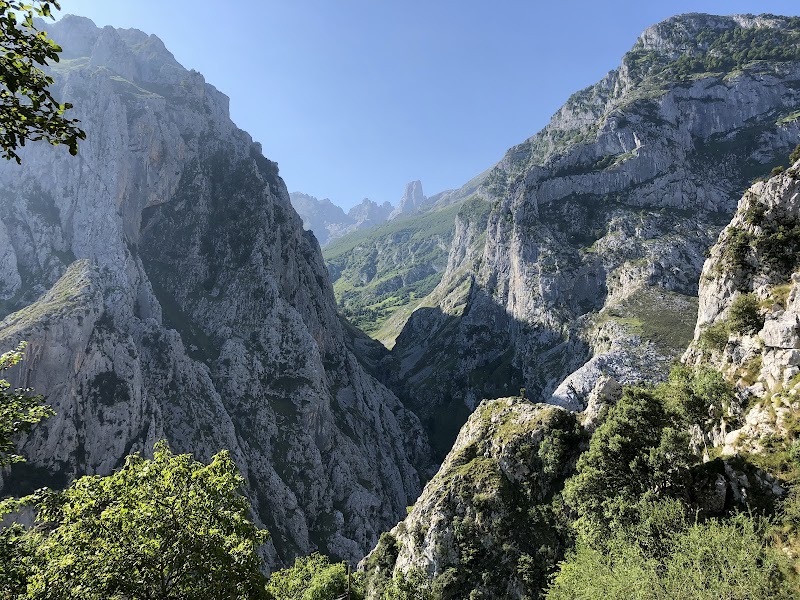
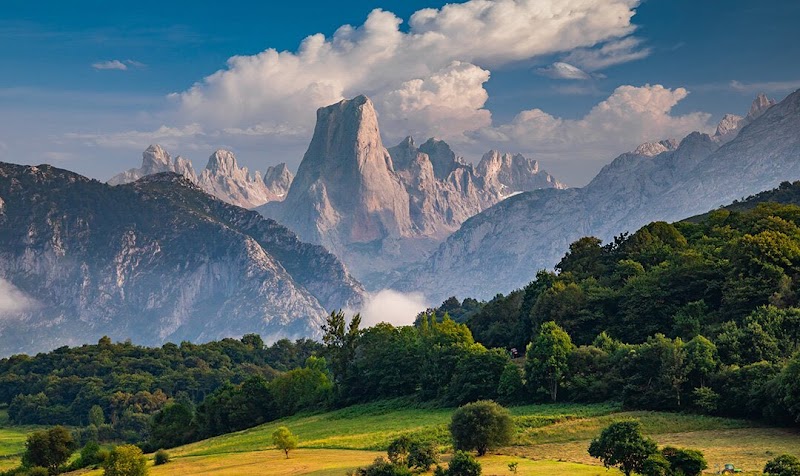
Picos de Europa National Park, established in 1918 as one of Spain’s first national parks, spans portions of Asturias, Cantabria, and Castilla y León, with its southern foothills characterized by gentler slopes and pastoral landscapes compared to the rugged central massif. These foothills serve as a tranquil gateway to the park’s dramatic limestone peaks and deep gorges in the north. Dominated by karst formations, the area features diverse ecosystems including deciduous forests of oak and beech, rich alpine meadows, and river valleys fed by pristine waters. The southern foothills are culturally significant, dotted with traditional mountain villages such as Covadonga and Cangas de Onís that blend historical architecture with modern amenities. Popular for outdoor recreation, this zone provides numerous accessible trails suitable for all skill levels, from family outings to serious mountain hiking. Wildlife is rich and varied, including Iberian wolves, chamois, and the emblematic Cantabrian brown bear in more remote parts of the park. Key landmarks such as the famous Covadonga Sanctuary, a spiritual and historical site, and the nearby Lakes of Covadonga highlight the blend of natural and cultural heritage. The southern foothills attract visitors seeking a harmonious combination of nature, tradition, and outdoor activities amidst spectacular mountain scenery less intense than the heart of the Picos massif. The mild climate in these lower elevations makes it a year-round destination with memorable hiking, birdwatching, and photography opportunities.