Wilderness Landscape & Natural Heritage
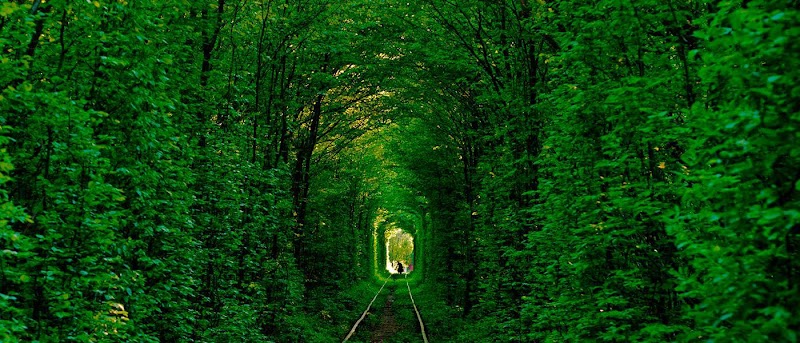
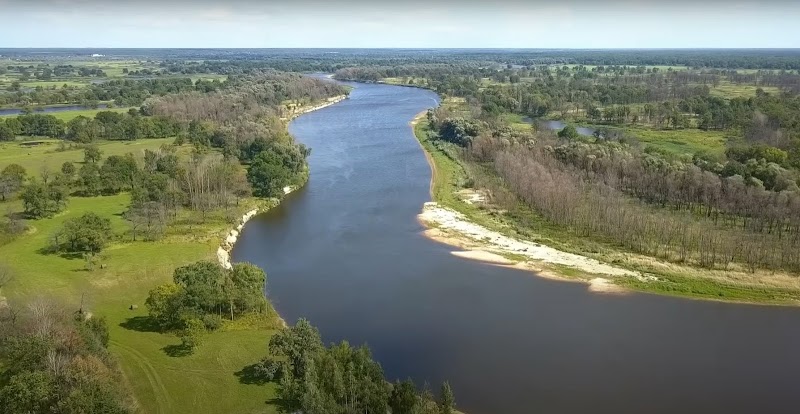
Polesia National Park, located in Ukraine's Volyn Oblast near the borders with Belarus and Poland, encompasses a vast expanse of lowland wetlands, marshes, peat bogs, forests, and meandering rivers. Established in 2007, the park covers part of the Polesia region, Europe's largest natural wetland area, renowned for its high biodiversity and relatively undisturbed ecosystems. The park's geography is characterized by extensive floodplains of the Pripyat River, patches of dense mixed forests, and open meadows supporting a variety of flora and fauna. It serves as a critical habitat for numerous rare and endangered species, including the European bison, otter, beaver, and a wealth of bird species such as white-tailed eagle and black stork. Polesia National Park also plays a vital role in water regulation and carbon sequestration due to its vast peatbogs and wetlands. Visitors are drawn to the tranquility of the park's natural landscapes, the opportunity to observe wildlife in their natural habitats, and to explore a network of marked hiking trails and canoe routes. Notable features include biologically rich peat bogs, floodplain forests, and traditional rustic villages nearby that offer cultural insights. The park's remote location affords a true wilderness experience distinct from Ukraine’s more urbanized areas, making it a premier destination for ecotourism, birdwatching, photography, and scientific research. Polesia's indigenous communities contribute to the preservation of traditional land uses and folklore, enriching visitors’ cultural understanding alongside natural exploration.