Wilderness Landscape & Natural Heritage
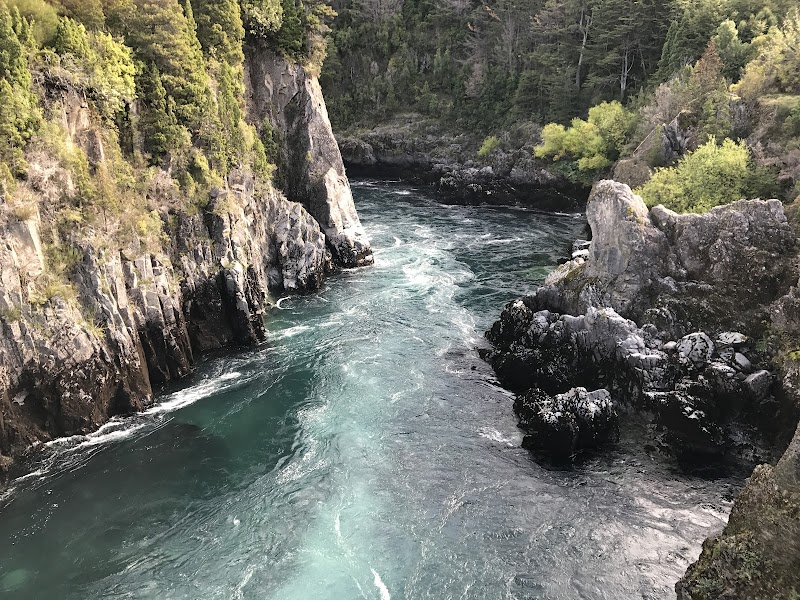
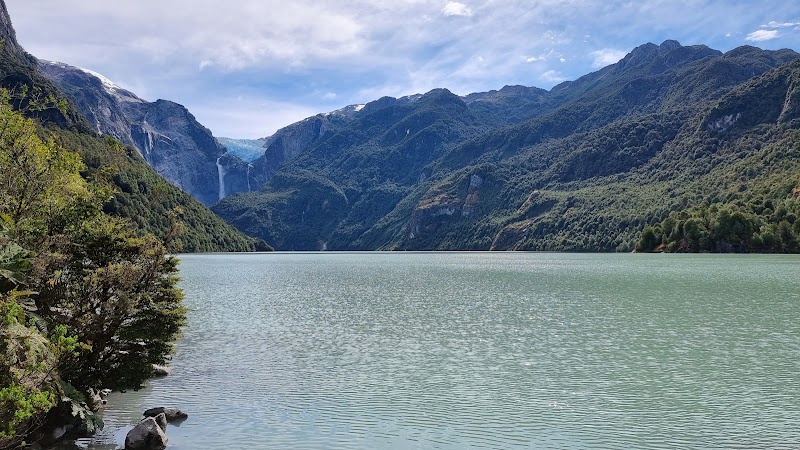
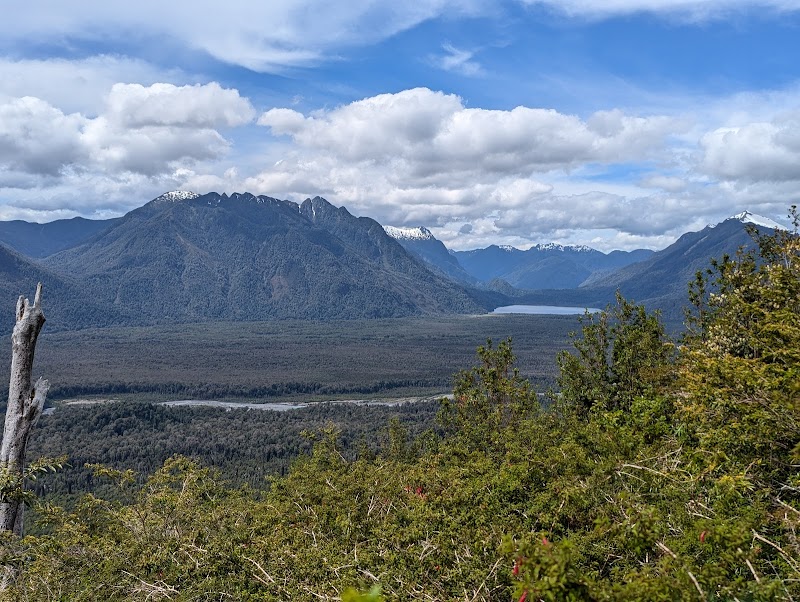
Pumalin Douglas Tompkins National Park, situated in the Los Lagos Region of southern Chile, covers a sprawling area of temperate rainforest, fjords, mountains, and coastal landscapes along the Pacific Ocean. The park was established through the efforts of conservationist Douglas Tompkins, who helped protect and preserve this ecologically significant region by buying and donating private lands. With dense evergreen forests dominated by ancient alerce trees, rivers, waterfalls, and volcanic peaks such as Volcán Chaitén nearby, the park offers both scenic beauty and natural diversity. Wildlife includes the endangered huemul deer, pudú (the world's smallest deer), pumas, and a variety of bird species such as the Andean condor. Visitors come for backcountry hiking on extensive trails through lush forests and coastal cliffs, camping in primitive and designated sites, kayaking along fjords, and fishing in clear rivers. The park's remote access enhances the sense of tranquility and wilderness, often rewarding explorers with breathtaking vistas and solitude. Key attractions include the Ventisquero Colgante waterfall, the Chaién Fjord, and the diverse marine ecosystems accessible by boat. The park represents one of the largest private protected areas in the world that has been incorporated into Chile’s national park system, protecting over 400,000 acres of unique ecosystems and offering environmentally responsible outdoor adventures.