Ruaha National Park wilderness guide
National Park · Tanzania

Ruaha National Park

Ruaha National Park is the largest national park in Tanzania, known for its vast savannas, rich wildlife, and incredible landscape diversity.

National Park5,000,000+1+ Trails

Designation

National Park

Total Wilderness Area

5,000,000+

Elevation / Terrain

Diverse Wilderness

Field Editorial Guide

About Ruaha National Park

Ruaha National Park is the largest national park in Tanzania, known for its vast savannas, rich wildlife, and incredible landscape diversity.

Wilderness Landscape & Natural Heritage

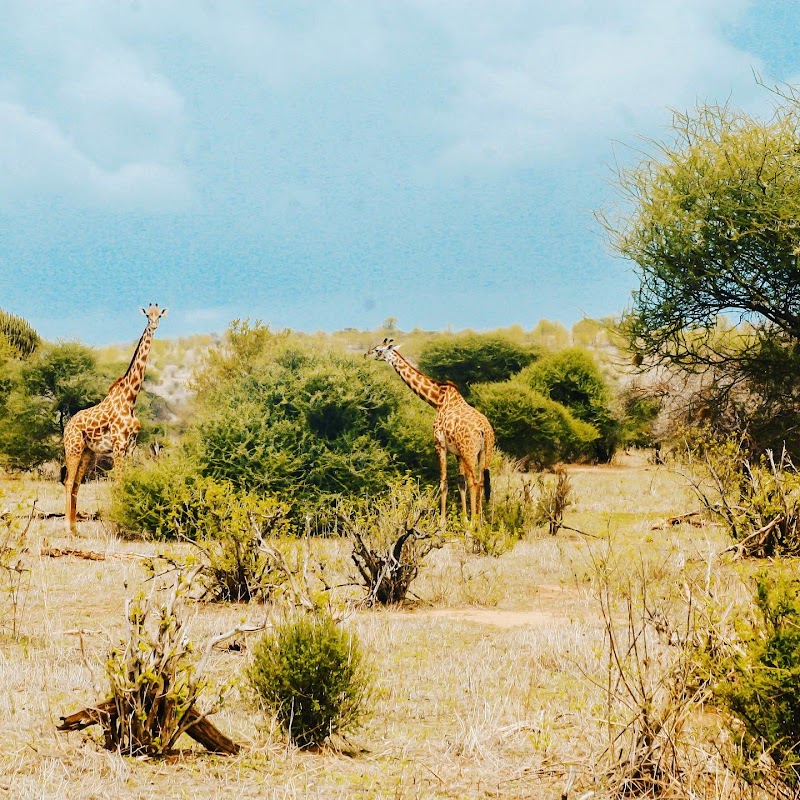
Ruaha National Park, spanning about 20,226 square kilometers, is a vital conservation area in central Tanzania. The park's landscape is characterized by rolling hills, river systems, and expansive savannas that support a robust population of diverse wildlife. Animals commonly observed include elephants, lions, leopards, giraffes, and a significant population of wild dogs. Ruaha is part of the larger Rungwa-Kizigo-Muhesi ecosystem and serves as a critical region for ecological research and species conservation. Established as a national park in 1964, it provides critical habitat for many endangered species and attracts visitors seeking authentic safari experiences away from crowded tourist routes. Ruaha's visitor appeal is enhanced by its remote beauty and undisturbed habitats, offering unique experiences for wildlife viewing and photography.

Field Guide · National Park

Notable Landscape Features

Iconic geological landmarks, alpine vantage points, and distinctive ecosystems in Ruaha National Park.

Feature 1

Great Ruaha River

This river is a lifeline for the park, supporting a wide range of wildlife.

Feature 2

Baobab Trees

Iconic trees scattered throughout the park, known for their large, distinctive shapes.

Feature 3

Mwagusi Sand River

A dry riverbed offering excellent game viewing opportunities, especially during the dry season.

Key Wilderness Highlights

The Great Ruaha River, a crucial water source for wildlifeLarge elephant populations, some of the highest in TanzaniaTracking the rare and elusive wild dogsBirdwatching opportunities with over 570 species identified
Iconic Trails & Natural Landmarks

Top Trails & Sights in Ruaha National Park

Discover summit paths, alpine loops, and natural wonders within this protected wilderness.

Moderate2 miles

River Walk

Offers walking safaris along the Great Ruaha River with guided safety personnel.

Wilderness Recreation

Outdoor Adventures in Ruaha National Park

Explore curated guides for top outdoor sports, trail networks, and wilderness activities.

Explore Guide →

Hiking

# Discover the Wild Essence of Ruaha National Park: An Adventurer’s Guide As the dawn stretches across the horizon, the golden rays illuminate the rugged landscape of Ruaha National Park, Tanzania. This remote haven is a treasure trove of African wilderness, pulsating with life and inviting exploration. As you step onto the gravelly paths, the cool morning air fills your lungs, awakening the senses to the stirring whispers of nature. Ruaha is not just a destination; it’s a journey that beckons adventure-seekers and nature lovers alike. Covering over 20,000 square kilometers, Ruaha boasts the largest population of elephants in Tanzania, their majestic forms casting shadows under acacia trees as they wander the savanna. But it is the lesser-known trails that provide an intimate connection with the wild. While trekking through this enchanting park, the rhythm of the earth beneath your feet resonates, leading you through undulating hills and wide-open plains. Each step reveals exquisite flora: the delicate dance of wildflowers, the robust embrace of baobabs, and the towering silhouettes of doum palms against the canvas of the sky. Embarking on a hiking adventure in Ruaha requires thoughtful preparation. The park offers several trails that vary in difficulty, accommodating both novice explorers and seasoned trekkers. Expect to cover distances ranging from a few kilometers to full-day treks that challenge and delight. Elevation changes are gradual, making it possible to immerse yourself in exploration without overwhelming fatigue. Trails weave along riverbanks, giving you a chance to gaze at hippos barely breaking the surface while the water murmurs a gentle song. As you journey deeper into the heart of Ruaha, the terrain presents a captivating mix of dense woodland and sweeping grasslands. The chirping of birds fills the air, creating an ever-changing soundtrack to your adventure. Spotting wildlife becomes a thrilling game; with each rustle in the bushes, excitement lingers. You may encounter a troupe of baboons playfully climbing nearby trees or see a stealthy leopard resting in the dappled shade, patiently surveying its kingdom. Timing your visit to Ruaha is crucial to fully appreciate its wonders. The dry season, from June to October, unveils the park's vibrant ecosystems. Wildlife congregates around dwindling water sources, making encounters abundant and thrilling. However, visiting during the wet season transforms the park into a rejuvenated land, rich with lush green foliage and a chorus of life that celebrates the rains. Hydration is key when hiking; pack ample water to sustain your adventure. Comfortable, sturdy footwear creates a solid foundation, allowing you to traverse uneven terrain with confidence. Consider lighter, moisture-wicking clothing that breathes as you hike, accommodating the park's warmth while protecting you from the sharp whispers of the underbrush. A compact first aid kit and sunscreen are essential companions as you seek to safeguard your health in this untamed landscape. The experience of hiking in Ruaha is not merely about conquering trails; it’s about forming a bond with nature. As you walk, pause to appreciate the small wonders around you. Feel the rough texture of tree bark, catch the vibrant hues of a butterfly's wings, and listen intently to the melodic call of distant birds. Every turn in the trail unveils a new perspective—a panoramic view over the Ruaha River or a secluded glade that offers a moment of hushed tranquility. The wilderness speaks—its stories etched in the rustling leaves and the dance of sunlight through branches. Embrace this communion with nature; let it fill your spirit and ignite your sense of adventure. Ruaha National Park stands as a vivid reminder of nature’s raw beauty, ripe for exploration. With every step you take, you join the ranks of those who’ve wandered through its vast expanse, collecting unforgettable memories against the backdrop of Tanzania’s most unspoiled wilderness. This is more than a hike; it is a passage through the very heartbeat of Africa.

View Hiking Guide
Explore Guide →

Wildlife Viewing

# Embrace the Wild Majesty of Ruaha National Park: Your Ultimate Adventure Guide to Wildlife Viewing in Tanzania Picture yourself standing on a sun-drenched plateau, the golden rays of dawn warming your skin as you gaze out over endless stretches of untamed wilderness. Ruaha National Park is one of Tanzania's best-kept secrets—a remarkable expanse where the whispers of the wild are proof of life and survival. Stretching over 20,000 square kilometers, this vast landscape is a haven for wildlife enthusiasts, showcasing an array of majestic creatures against a backdrop of rugged hills, acacia woodlands, and meandering rivers. Your adventure begins at the park gates, where the air buzzes with anticipation. Start your day early, as dawn is typically when the creatures of the savannah stir from their slumber. As your vehicle rolls along the dirt tracks, keep your eyes peeled. Here, you might spot a pride of lions lounging under the shade of a baobab tree or a herd of elephants lumbering gracefully to the riverbank, their trumpeting calls echoing across the landscape. Ruaha's diverse ecosystems are home to over 570 bird species, making it a prime destination for birdwatching aficionados. Imagine the thrill of catching a glimpse of a lilac-breasted roller, its vibrant plumage cutting through the dullness of the early morning light. For the keen observer, binoculars become your best friend, allowing you to track the subtle movements of these avian marvels among the tree branches. As you traverse the park, the sheer variety of wildlife unfolds before you. Giraffes elegantly stretch their long necks high into the branches, nibbling on tender leaves, while zebra and kudu frolic in the distance, their coats contrasting brilliantly with the tawny grasses. The pacing of your journey is deliberate—leave room for moments of stillness, where you let your senses absorb the symphony of nature that surrounds you. The rustle of the wind, the calls of distant birds, and the soft footfalls of roaming animals create a living soundscape that invites introspection. Practicality ensures you’re not just a passive observer of this rich environment. Before setting out, equip yourself properly. Lightweight, breathable clothing in earthy tones will keep you comfortable as temperatures soar. Sturdy, well-broken-in shoes are essential, as much of Ruaha's terrain demands stability and agility. Don’t forget your sunblock; the African sun can be unforgiving, and hydration is your ally in combating the heat. Always carry ample water, as some stretches may not have immediate access to refreshment. For those looking to enrich their experience, consider guided safaris led by local experts. These guides not only provide insight into the intricate dynamics of the ecosystem but also help locate animals through their intimate knowledge of wildlife behavior. Furthermore, early morning and late afternoon safaris are ideal for spotting elusive creatures like leopards, who often seek shelter from the heat during the day. As dusk settles, don’t rush back to camp. Instead, take a moment to appreciate the transforming landscape. The colors morphing in the sky mirror the beauty of a world at twilight, and you’ll likely be rewarded with the sight of predators prowling under the cover of darkness—an exhilarating reminder that this land is alive, fiercely beautiful, and unforgiving. After a day steeped in adventure, settle in around the campfire, where stories of the day’s encounters echo in the cool night air. Your senses still buzzing from the day’s excitement, take a moment to listen to the distant sounds of wildlife stirring under the blanket of stars. Whether you’re an avid photographer, a seasoned wildlife viewer, or an intrepid explorer, Ruaha National Park invites you to step beyond the resume of regular safaris to immerse yourself in its raw and captivating beauty. Prepare thoroughly, respect nature, and this hidden gem in Tanzania will reward you with memories that last a lifetime.

View Wildlife Viewing Guide
Explore Guide →

Photography

# Capturing the Wild: A Photographer's Guide to Ruaha National Park, Tanzania Imagine standing on the precipice of an endless savanna, the sun hanging low over the horizon, casting golden hues over acacia trees and sprawling grasslands. Ruaha National Park, a gem in Tanzania's crown, offers photographers an unparalleled canvas teeming with wildlife and breathtaking landscapes. This adventure isn’t merely about snapping photos; it’s an expedition into the heart of Africa, where each click reveals the untamed beauty of nature. As you embark on this photographic journey, prepare yourself for both exhilarating encounters and the practical dimensions of capturing them. Covering a staggering 20,226 square kilometers, Ruaha is home to a diverse range of habitats: from open plains where elephants roam in droves to riverine forests that echo with the calls of vibrant birdlife. The sensory experience here will be as vibrant as the images you capture. To truly embrace the essence of Ruaha, timing is crucial. The golden hours of dawn and dusk see the park come alive. Early risers are rewarded with the soft, warm light that gently washes over the landscape, revealing the silvery coats of zebras and the majestic forms of giraffes against the awakening sky. Conversely, the late afternoon sun sets the stage for dramatic contrasts, especially as it filters through trees, painting shadows that dance across your frame. When planning your photographic itinerary, focus on the unique ecosystems scattered throughout Ruaha. The Great Ruaha River, with its meandering curves, presents numerous opportunities for striking wildlife shots, particularly around waterholes where animals gather. Keep your lens ready for unexpected moments; lion prides may be lounging in the shade, hippos might be negotiating their territory, and a parade of wildebeests could cross your path with astonishing unpredictability. However, beyond the wildlife, the landscapes themselves are worthy of your attention. The rolling hills, grasslands, and baobab trees provide depth and context to your compositions. As you explore the park, allow nature to guide your instincts—find interesting angles or juxtapose wildlife against the rugged terrain. The late afternoon light interacts magnificently with the dusty roads, leading you to off-the-beaten-path vistas that your fellow travelers may miss. From a practical standpoint, ensure your camera gear is well-suited for the varied conditions you may encounter. A DSLR or mirrorless camera coupled with a zoom lens allows you to capture both wide landscapes and the intricate details of animal behavior without disturbing their natural activities. Pack extra batteries and memory cards, as the magic of Ruaha often keeps you shooting longer than expected. A sturdy tripod can also be invaluable when capturing low-light scenes at dawn or dusk, enabling you to experiment with longer exposure settings. Hydration and comfort are equally essential. This is an adventure in a remote location, so always keep water on hand. Wear lightweight, breathable clothing that protects against sun exposure while allowing free movement. Sturdy hiking boots enable you to traverse uneven terrain as you hunt for the perfect shot, whether you're scaling a hill for a panoramic view or wandering toward the riverbank for that elusive close-up of a drinking elephant. Let your heart be open to the reality of the wild—the unpredictable nature of wildlife encounters is a thrilling part of the experience. Patience is a photographer’s greatest ally, often rewarding stillness with stunning displays of nature’s choreography. As your journey through Ruaha unfolds, be prepared to be enveloped not just in visuals, but in a profound connection to the raw essence of Africa. Capture every moment while allowing the park's beauty to imprint itself onto your memories. Ultimately, Ruaha National Park is more than a backdrop for photography; it’s an adventure that invites you to witness and document the extraordinary interplay between wildlife and environment, giving voice to the stories embedded in every corner of this majestic landscape. Your photography will not just stand as evidence of your adventure; it will also resonate with others, urging them to experience the wonder of this wild heart of Tanzania.

View Photography Guide
Explore Guide →

Birdwatching

# Discovering the Winged Wonders of Ruaha National Park: A Birdwatching Adventure in Tanzania Venture into the heart of Tanzania’s Ruaha National Park, where the sun rises over expansive savannahs and the air is alive with the calls of exotic birds. As the dawn breaks, the melodic chorus of feathered life begins, creating an irresistible invitation for birdwatchers and nature enthusiasts alike. Spanning over 10,000 square kilometers, Ruaha is not just a safari haven; it’s a magical realm where more than 570 species of birds take flight, offering a vivid kaleidoscope of colors and sounds that will enthrall the keen observer. The journey begins with a slow approach through the park's rugged terrain. Your senses will awaken as you traverse the dry riverbeds and grasslands, where small flocks of vibrant yellow-billed storks dance gracefully on the horizon. Bring along a sturdy pair of binoculars and a comprehensive field guide to help identify the dazzling array of avian species. Keep your eyes peeled for the charismatic lilac-breasted roller, flaunting its brilliant plumage against the deep blue sky. Optimal visitations occur during the dry months from June to October when migrants arrives and wildlife congregates around water sources. This is when the park transitions into an amphitheater of life, where birds flit between branches, and the ground teems with activity. As you explore the acacia woodlands and riverine habitats, you'll be rewarded with chances to catch a glimpse of the stately African fish eagle, its piercing call echoing across the water, or the striking yellow-throated longclaw, often seen darting amidst the grasses. The landscape itself enhances the birdwatching experience; the stark beauty of the baobab trees against the cliffside provides a stunning backdrop for photography that captures the essence of this wilderness. For the adventurous at heart, consider engaging in guided walking safaris that allow for closer observations of birds in their natural habitats. This up-close perspective also brings a profound sense of connection with the lush surroundings, as you journey on foot, guided by experts who share invaluable insights into the behaviors and habitats of the park’s winged inhabitants. When planning your birdwatching expedition, timely hydration is key. Bring along a refillable water bottle to stay refreshed, as the sun can be relentless. Choose comfortable and durable footwear that can manage diverse terrains—from rocky paths to muddy trails after an unexpected rain shower. Layer your clothing; mornings can be chilly, but temperatures will climb as the sun rises high. Finally, remember to pack sunscreen and sunglasses to protect against that bright Tanzanian sun. Ruaha’s diverse ecosystems also promise encounters with other wildlife, from elephants foraging near waterholes to the stealthy movements of a pride of lions. This diversity enriches the birdwatching experience, as every glimpse of a soaring raptor or a skittish lilac-breasted roller can feel profoundly intertwined with the heartbeat of the park itself. The natural world here is an intricate web, where each creature plays a vital role. For an unforgettable climax to your day, find a perch near a waterhole come dusk. The fading light paints the landscape in hues of gold and crimson, while the calls of birds signal the end of the day. Here, patience rewards you with special moments, perhaps a flash of color as a flock of sacred ibises takes flight, silhouetted against the vibrant sunset. As your adventure in Ruaha National Park draws to a close, the memories of vibrant feathers and enchanting calls will linger long after you’ve departed. Each moment spent amid the birdlife here is a reminder of nature’s beauty, a call to embrace the wild, and a promise of discovery that awaits every traveler yearning for the extraordinary. Prepare yourself for an exhilarating journey that promises not just sights and sounds, but also an awakening of the spirit through the vibrant allure of birdwatching in Tanzania.

View Birdwatching Guide
The Ranger Station

Visitor Logistics & Essential Planning

Everything you need to know about entrance passes, seasons, visitor centers, road transit, and wildlife safety in Ruaha National Park.

Passes & Fees

Entrance Requirements & Interagency Passes

Park fees required; guided tours are recommended

Wilderness Checklist

Carry paper topographic map & compass in remote zones.
Store all food and scented items in approved bear canisters.
Check wildfire / smoke advisories before backcountry departure.
Pack out everything you pack in (Leave No Trace).
Wilderness Stays

Camping & Overnight Stays in Ruaha National Park

Frontcountry developed campgrounds, backcountry wilderness permit guidelines, and starry-night camping advice.