**Exploring the Majestic Heights of Sagarmatha National Park: An Adventurer's Odyssey**
Standing under the vast sky, where the heavens paint cerulean blue canvases, lies the breathtaking Sagarmatha National Park, a sanctuary for climbers and adventurers alike. Here, the jagged peaks of the Himalayas rise like titans from distant fables, their snowy crowns grazing the very edge of the world. As you begin your journey, the ancient trails weave through landscapes etched with time, each step carrying you further into a realm where the earth meets the sky.
Each expedition in Sagarmatha reveals a panorama that dazzles the spirit. The softly whispering pines flank rugged paths, where the crisp air carries with it the murmurs of distant avalanches and the roars of icy rivers challenging you at every turn. With a sense of anticipation lingering in the air, every climber must heed the practicalities of this rugged terrain. Make no mistake—the park is both an adventure and a challenge, demanding both respect and preparation.
As you embark on your ascent, the elevation gain demands your attention; your lungs adapt as the oxygen thins. It's imperative to pace your climb appropriately, allowing your body the grace it needs to adjust to this rarefied atmosphere. The terrain varies from steep, rocky inclines to narrow ridges that test your mettle, each bend revealing a landscape etched by the hands of time itself.
Footwear must be chosen with the utmost care. Sturdy boots with reliable grip become your closest allies, as the path, though inviting, is relentless. Carrying extra layers is a necessity, for the weather here dances to its own rhythm, shifting from warmth to a biting chill with little notice. As the mountain permits no liberties, sufficient hydration and sustenance become vital; each drop of water becomes as valuable as the views that unfold before you.
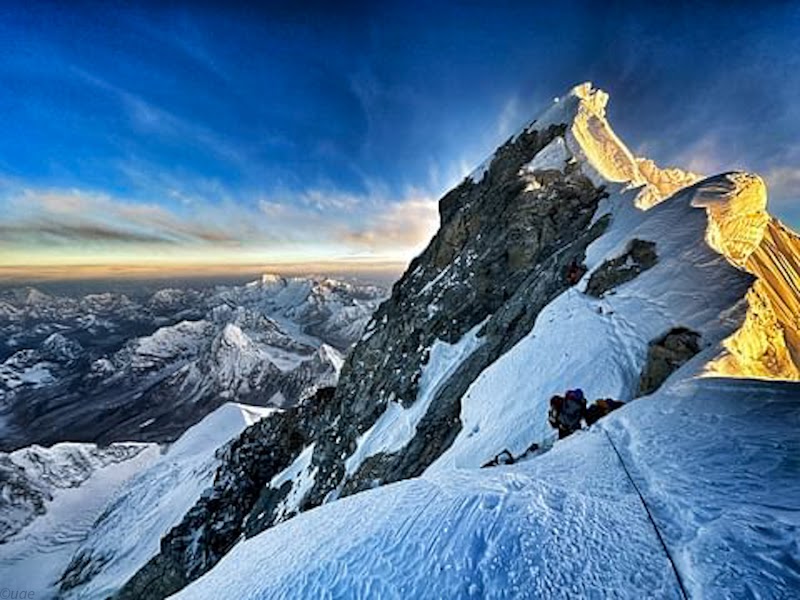
While the logistics are paramount, the emotional tapestry of the trek lies in the sensory symphony of Sagarmatha itself. The chatter of native birds resonates in the crisp afternoon air, a prelude to the visual feast that awaits. Views from passes like Renjo La and Kongma La unveil sweeping vistas where the peaks of Lhotse, Nuptse, and the peerless Everest command attention. Here, the majestic crags and snow-draped giants peer into infinity, offering an unspoken camaraderie to every traveler daring enough to reach their heights.
Alongside these awe-inspiring sights, you will encounter ancient Sherpa villages clinging to mountainsides, where paths buzz with stories woven by generations of mountaineers. Experience the warm hospitality of the local people, delicacies shared around crackling hearths, forging connections as enduring as the landscape itself. Respectful engagement with these vibrant cultures ensures a rich exploration beyond the physical journey.
As daylight fades to dusk, and the mountain breeze cools to an icy calm, the sensation of triumph that accompanies summiting is matched by a profound humility. Sagarmatha, after all, is more than a park—it is an embodiment of nature's raw, unbridled spirit. Here, adventure and practicality are inseparable, weaving together an experience that enriches the soul while challenging the body.
Embrace the challenge, prepare diligently, and let Sagarmatha National Park unravel its panoramic majesty, one step at a time. With each stride, you take part in the timeless adventure etched in the heart of the Himalayas. Welcome, adventurer—your odyssey begins.
National Park283,100 acres4+ Trails
1976NATIONAL PARK
Designation
National Park
Total Wilderness Area
283,100 acres
Elevation / Terrain
Diverse Wilderness
Field Editorial Guide
About Sagarmatha National Park
Sagarmatha National Park, located in the remote Khumbu region of Nepal, is renowned for its breathtaking mountainous terrain, including the world's highest peak, Mount Everest.
Wilderness Landscape & Natural Heritage
Sagarmatha National Park, covering 1,148 square kilometers in the Solukhumbu District of Nepal, forms part of the Himalayan range. Established in 1976, this UNESCO World Heritage Site harbors unique ecosystems characterized by rugged terrains, deep gorges, and glacial valleys. The park encompasses the majestic Mount Everest, standing at 8,848 meters, which draws mountaineers from around the globe. Elevations within the park range from 2,845 meters at Monjo to the summit of Everest, promoting diverse biotopes across the altitude spectrum. The park is home to rare wildlife species such as the snow leopard and the red panda, alongside thriving forests where rhododendron, fir, and birch flourish. Visitors are not only captivated by the natural beauty but also by the cultural richness, as the area is inhabited by the Sherpa people, who bring an invaluable cultural dimension to the trekking experience. Trekking, cultural tourism, and mountaineering are the prime activities, with the Everest Base Camp trek being a highlight.
Field Guide · National Park
Notable Landscape Features
Iconic geological landmarks, alpine vantage points, and distinctive ecosystems in Sagarmatha National Park.
Feature 1
Mount Everest
At 8,848 meters, it is the tallest peak on the planet and a climber’s dream destination.
Feature 2
Tengboche Monastery
A spiritual center for the Sherpa community featuring traditional Buddhist architecture.
Feature 3
Gokyo Lakes
A series of high-altitude lakes known for their stunning beauty and reflection of the surrounding peaks.
Key Wilderness Highlights
✦ Mount Everest, the highest point on earth.✦ The rich biodiversity, including rare species like the snow leopard.✦ Sherpa cultural sites, such as Tengboche Monastery.✦ The Gokyo Lakes, offering stunning panoramic views.
Wilderness Visuals & Gallery
Visual Guide to Sagarmatha National Park
Iconic Trails & Natural Landmarks
Top Trails & Sights in Sagarmatha National Park
Discover summit paths, alpine loops, and natural wonders within this protected wilderness.
Challenging80 miles
Everest Base Camp Trek
One of the most iconic treks offering stunning views of Everest and neighboring peaks.
**Exploring the Majestic Heights of Sagarmatha National Park: An Adventurer's Odyssey**
Standing under the vast sky, where the heavens paint cerulean blue canvases, lies the breathtaking Sagarmatha National Park, a sanctuary for climbers and adventurers alike. Here, the jagged peaks of the Himalayas rise like titans from distant fables, their snowy crowns grazing the very edge of the world. As you begin your journey, the ancient trails weave through landscapes etched with time, each step carrying you further into a realm where the earth meets the sky.
Each expedition in Sagarmatha reveals a panorama that dazzles the spirit. The softly whispering pines flank rugged paths, where the crisp air carries with it the murmurs of distant avalanches and the roars of icy rivers challenging you at every turn. With a sense of anticipation lingering in the air, every climber must heed the practicalities of this rugged terrain. Make no mistake—the park is both an adventure and a challenge, demanding both respect and preparation.
As you embark on your ascent, the elevation gain demands your attention; your lungs adapt as the oxygen thins. It's imperative to pace your climb appropriately, allowing your body the grace it needs to adjust to this rarefied atmosphere. The terrain varies from steep, rocky inclines to narrow ridges that test your mettle, each bend revealing a landscape etched by the hands of time itself.
Footwear must be chosen with the utmost care. Sturdy boots with reliable grip become your closest allies, as the path, though inviting, is relentless. Carrying extra layers is a necessity, for the weather here dances to its own rhythm, shifting from warmth to a biting chill with little notice. As the mountain permits no liberties, sufficient hydration and sustenance become vital; each drop of water becomes as valuable as the views that unfold before you.
While the logistics are paramount, the emotional tapestry of the trek lies in the sensory symphony of Sagarmatha itself. The chatter of native birds resonates in the crisp afternoon air, a prelude to the visual feast that awaits. Views from passes like Renjo La and Kongma La unveil sweeping vistas where the peaks of Lhotse, Nuptse, and the peerless Everest command attention. Here, the majestic crags and snow-draped giants peer into infinity, offering an unspoken camaraderie to every traveler daring enough to reach their heights.
Alongside these awe-inspiring sights, you will encounter ancient Sherpa villages clinging to mountainsides, where paths buzz with stories woven by generations of mountaineers. Experience the warm hospitality of the local people, delicacies shared around crackling hearths, forging connections as enduring as the landscape itself. Respectful engagement with these vibrant cultures ensures a rich exploration beyond the physical journey.
As daylight fades to dusk, and the mountain breeze cools to an icy calm, the sensation of triumph that accompanies summiting is matched by a profound humility. Sagarmatha, after all, is more than a park—it is an embodiment of nature's raw, unbridled spirit. Here, adventure and practicality are inseparable, weaving together an experience that enriches the soul while challenging the body.
Embrace the challenge, prepare diligently, and let Sagarmatha National Park unravel its panoramic majesty, one step at a time. With each stride, you take part in the timeless adventure etched in the heart of the Himalayas. Welcome, adventurer—your odyssey begins.
Everything you need to know about entrance passes, seasons, visitor centers, road transit, and wildlife safety in Sagarmatha National Park.
Passes & Fees
Entrance Requirements & Interagency Passes
Permits required include Sagarmatha National Park Permit and TIMS card.
Wilderness Checklist
Carry paper topographic map & compass in remote zones.
Store all food and scented items in approved bear canisters.
Check wildfire / smoke advisories before backcountry departure.
Pack out everything you pack in (Leave No Trace).
Wilderness Stays
Camping & Overnight Stays in Sagarmatha National Park
Frontcountry developed campgrounds, backcountry wilderness permit guidelines, and starry-night camping advice.
Wilderness & Developed Camping Regulations
Camping is one of the most rewarding ways to experience Sagarmatha National Park. Most frontcountry campgrounds require advance reservations on Recreation.gov during peak season, while backcountry camping requires a wilderness permit and certified bear-resistant food canisters.
Stay, dine, and gear up in these mountain towns and scenic desert basecamps surrounding the park.
Gateway Basecamp
Lukla, Nepal, Nepal
Lukla is a high-altitude mountain town known as the gateway to Everest treks. Outdoor lovers come here to fly a famously challenging airport runway, then hit epic trails through the Himalayas. It offers an unforgettable blend of adventure and Sherpa culture.
Late Spring (March to May) and Autumn (September to November)Explore Town