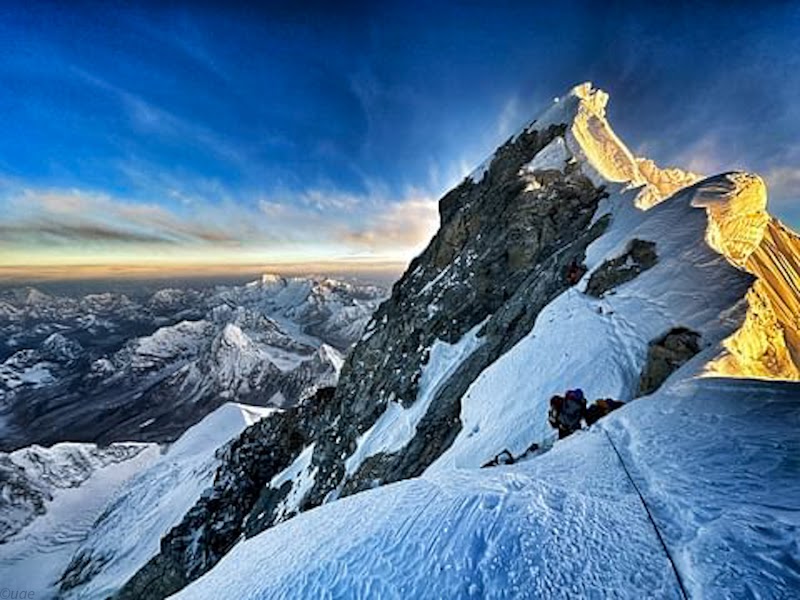
Photography in the Heart of the Himalayas Immersed in the magic of Sagarmatha, photographers are drawn to the world-famous vistas dominated by Mount Everest, or Chomolungma as it's locally known. I...
National Park283,100 acres4+ Trails
1976NATIONAL PARK
Designation
National Park
Total Wilderness Area
283,100 acres
Elevation / Terrain
Diverse Wilderness
Field Editorial Guide
About Sagarmatha National Park
Sagarmatha National Park, located in the remote Khumbu region of Nepal, is renowned for its breathtaking mountainous terrain, including the world's highest peak, Mount Everest.
Wilderness Landscape & Natural Heritage
Sagarmatha National Park, covering 1,148 square kilometers in the Solukhumbu District of Nepal, forms part of the Himalayan range. Established in 1976, this UNESCO World Heritage Site harbors unique ecosystems characterized by rugged terrains, deep gorges, and glacial valleys. The park encompasses the majestic Mount Everest, standing at 8,848 meters, which draws mountaineers from around the globe. Elevations within the park range from 2,845 meters at Monjo to the summit of Everest, promoting diverse biotopes across the altitude spectrum. The park is home to rare wildlife species such as the snow leopard and the red panda, alongside thriving forests where rhododendron, fir, and birch flourish. Visitors are not only captivated by the natural beauty but also by the cultural richness, as the area is inhabited by the Sherpa people, who bring an invaluable cultural dimension to the trekking experience. Trekking, cultural tourism, and mountaineering are the prime activities, with the Everest Base Camp trek being a highlight.
Field Guide · National Park
Adventure Destinations
Notable Destinations Near Sagarmatha National Park
Scenic viewpoints, outdoor landmarks, and notable points of interest within 60 miles.
Key Wilderness Highlights
✦ Mount Everest, the highest point on earth.✦ The rich biodiversity, including rare species like the snow leopard.✦ Sherpa cultural sites, such as Tengboche Monastery.✦ The Gokyo Lakes, offering stunning panoramic views.
Wilderness Visuals & Gallery
Visual Guide to Sagarmatha National Park
Wilderness Recreation
Outdoor Adventures in Sagarmatha National Park
Explore curated guides for top outdoor sports, trail networks, and wilderness activities.
Activity Field GuideSagarmatha National Park
Photography in Sagarmatha National Park
Into the Majesty of Sagarmatha: An Adventurer's Photographic Odyssey
Embarking through Sagarmatha National Park in Nepal is not merely a journey, but a passage into an ecstatic celebration of raw natural beauty that begs to be captured in photographs. Here, the landscapes breathe life into your senses with jagged peaks piercing the sky and valleys unfolding in infinite variations of green and gray. As you step onto the trails, cushioned by the ancient earth, a chill kisses your cheeks and the air, thin yet invigorating, fills your lungs. The orchestrated chorus of distant winds and gurgling streams sets the rhythm for your adventure, guiding you higher into the heart of the Himalayas.
Photography in the Heart of the Himalayas
Immersed in the magic of Sagarmatha, photographers are drawn to the world-famous vistas dominated by Mount Everest, or Chomolungma as it's locally known. It is not just about pointing and shooting; capturing the essence of these heights involves a dynamic dance of light and shadow as the sun plays across ice-carved crags and verdant terraces. Early risers can dance with the dawn, watching the first rays illuminate the snowy crown of Everest. The changing palette of the landscape with each passing hour is an artist’s dream, offering endless opportunities to compose breathtaking shots that immortalize this ethereal beauty.
Navigating the Trails: Practical Tips for Adventurers
Focus your adventure around the diverse trails weaving through the park. Routes vary from gentle pathways to challenging climbs, where experienced mountaineers test their skills against some of the most iconic climbs in the world. The trails offer a mix of terrain, from steep, rocky ascents to flat, forested areas—a delight for trekking enthusiasts and photographers alike. Along each path, villages offer welcoming rests with traditional Nepalese hospitality, inviting you to pause and absorb the culture simmering on the ledges of these great mountains.
Hydration is paramount in such thin air; always carry ample water and replenish from fresh mountain streams using a reliable purification system. Footwear should be sturdy yet comfortable, as hours of walking demand support without sacrificing agility. Ideally, trekking gear must include layers to combat the swift changes in weather conditions common in high altitudes.
Capturing the Culture: Portraiture among the Peaks
As you turn your lens away from the majestic views, a tapestry of vibrant culture unfolds. The Sherpa community, with their rich traditions and warm smiles, adds depth to your photos and your journey. Engage with locals at the bustling market, where colors spill out of every stall offering handcrafted goods or a simple steaming bowl of dal bhat, a staple to fuel your exploration. Ask permission politely before taking portraits, as a respectful approach often results in more authentic, heartfelt images, capturing the essence of human life thriving in such an environment.
Planning the Expedition: Logistics and Guidelines
When planning a trip to Sagarmatha, timing is crucial for both weather and photography. The best windows for explorers generally fall between March-May and September-November, when the skies are clearer, and the trails more accessible. However, be prepared for the unpredictability of mountain weather, with sudden mists cloaking the vista or unexpected showers refreshing the path.
Permits are essential for entry into the park. Secure a TIMS card and a Sagarmatha National Park entry ticket, usually obtainable in Kathmandu or the park entrance in Monjo. Additionally, while navigating such a popular yet remote trekking area, a local guide’s expertise can be invaluable in ensuring safety and gaining deeper insight into the region's intricacies.
Conclusion: An Unforgettable Expedition
Our encounters with Sagarmatha National Park lead us through an arena where nature's grandeur plays both teacher and muse. Each photograph taken here tells a story of adventure, culture, and the indefinable spirit of one of the world's most awe-inspiring wonders. Whether you’re a seasoned photographer seeking to capture the soul of Everest, or an avid trekker craving the thrill of the trail, Sagarmatha invites you into an experience that transcends mere adventure, weaving history and nature into a living canvas for your lens and journey.
Other Available Activity Guides in Sagarmatha National Park:
The Ranger Station
Visitor Logistics & Essential Planning
Everything you need to know about entrance passes, seasons, visitor centers, road transit, and wildlife safety in Sagarmatha National Park.
Passes & Fees
Entrance Requirements & Interagency Passes
Permits required include Sagarmatha National Park Permit and TIMS card.
Wilderness Checklist
Carry paper topographic map & compass in remote zones.
Store all food and scented items in approved bear canisters.
Check wildfire / smoke advisories before backcountry departure.
Pack out everything you pack in (Leave No Trace).
Wilderness Stays
Camping & Overnight Stays in Sagarmatha National Park
Frontcountry developed campgrounds, backcountry wilderness permit guidelines, and starry-night camping advice.
Wilderness & Developed Camping Regulations
Camping is one of the most rewarding ways to experience Sagarmatha National Park. Most frontcountry campgrounds require advance reservations on Recreation.gov during peak season, while backcountry camping requires a wilderness permit and certified bear-resistant food canisters.
Stay, dine, and gear up in these mountain towns and scenic basecamps surrounding the park.
⌖ 8.55 miles
Gateway Basecamp
Lukla, Nepal
Lukla is a high-altitude mountain town known as the gateway to Everest treks. Outdoor lovers come here to fly a famously challenging airport runway, then hit epic trails through the Himalayas. It offers an unforgettable blend of adventure and Sherpa culture.
Late Spring (March to May) and Autumn (September to November)
Khumjung is a serene Sherpa village famed for its breathtaking Himalayan views and proximity to legendary trekking routes, including Everest Base Camp. Discover vibrant culture and pristine nature.
Chaurikharka is a key Himalayan village serving as the gateway to Everest Base Camp trekking. Surrounded by snowy peaks and Sherpa culture, it offers unforgettable trekking, climbing, and cultural adventures in Nepal’s high mountains.
Pre-monsoon (March to May) and post-monsoon (late September to November)
Bang Saen is a lively beach town in Chonburi Province offering beach walks, cycling along the coast, and kayaking in calm waters. Ideal for outdoor lovers seeking a relaxed waterfront base with local seafood and cultural sites.
Bang Phra in Chonburi Province offers quiet forest trails, wildlife viewing, and lakeside paddling. Ideal for outdoor lovers looking to hike, bike, or camp in a protected sanctuary near the Gulf of Thailand.
Qala-e Mafushad offers adventurous travelers a remote high-mountain escape where hiking and mountaineering navigate dramatic landscapes in the Hindu Kush. Expect rugged terrain, stunning vistas, and a true wilderness experience.
A 17‑day Himalayan mountain adventure—14 days of trekking to Everest Base Camp and three days of cultural sightseeing—starting and finishing in Kathmandu with guest‑house lodging and all meals included.