Wilderness Landscape & Natural Heritage
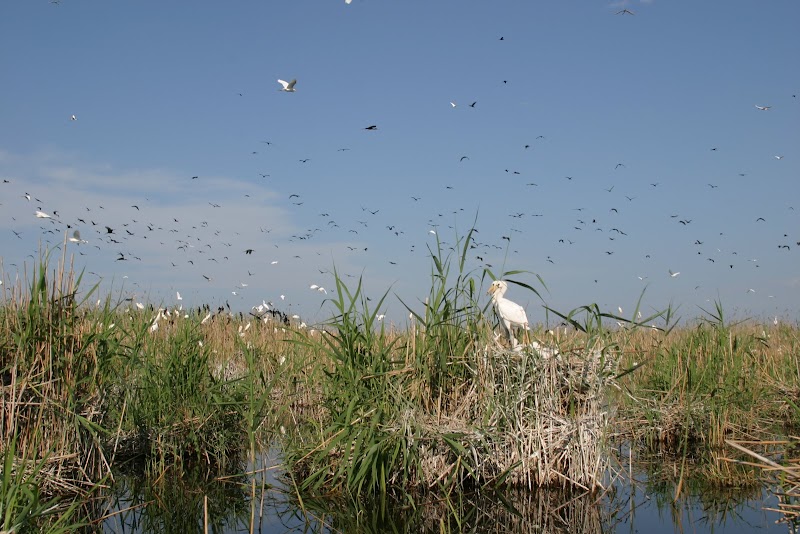
Samursky National Park, located in the Republic of Dagestan in southern Russia, encompasses the lower reaches and delta of the Samur River, where it flows into the Caspian Sea. Established to protect one of the largest and most ecologically significant wetland complexes in the region, the park covers vast floodplain forests, marshes, and open water habitats that support a diverse array of flora and fauna. The geography of the park is marked by braided river channels, reed beds, and meadows characteristic of a temperate delta system. Samursky is known for its exceptionally rich biodiversity, including numerous species of waterfowl, migratory birds, fish, and rare plants adapted to the wetland environment. Historically, the area has long been a natural crossroads for migratory birds traveling between Europe and Asia, making the park a critical bird-watching destination. Visitors to Samursky National Park can engage in wildlife viewing, guided eco-tours, and photography, with opportunities to observe species like the Dalmatian pelican and various herons. The park's relatively untouched landscapes also attract naturalists and researchers interested in wetland conservation and habitat restoration. Though less developed for mass tourism, the park’s remote location offers an immersive experience in unique ecosystems with minimal human disturbance. Samursky’s preservation efforts contribute significantly to the protection of the Caspian Sea’s fragile coastal habitats, helping maintain water quality and biodiversity in this important transboundary area.