Wilderness Landscape & Natural Heritage
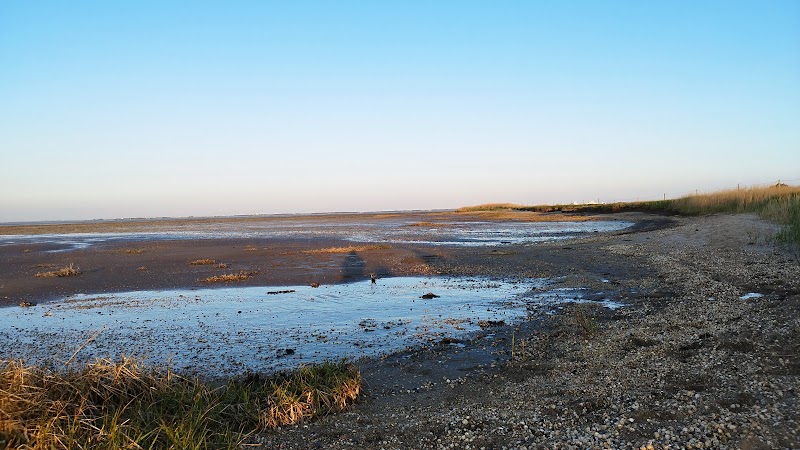
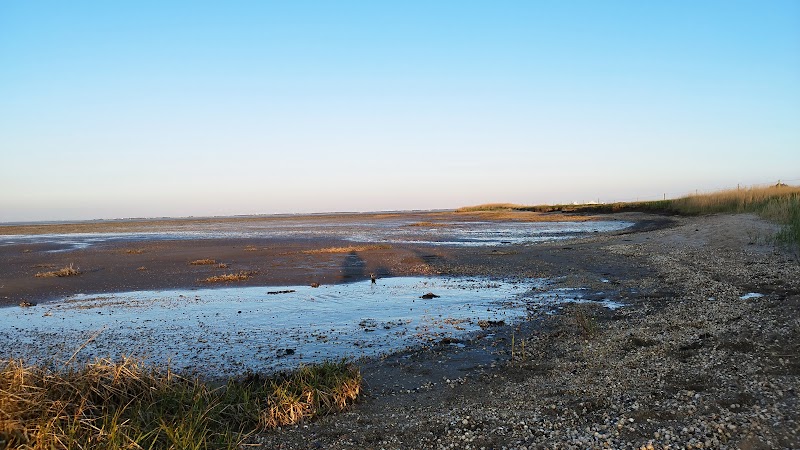
Schleswig-Holstein Wadden Sea National Park, established in 1985, encompasses approximately 4,410 square kilometers of tidal flats, salt marshes, islands, sandbanks, and coastal waters along Germany’s North Sea coast. It forms part of the larger Wadden Sea UNESCO World Heritage Site, celebrated for its dynamic tidal ecosystem and importance as a habitat for migratory birds, seals, and diverse marine life. The park's geography is shaped by tidal fluctuations that expose vast mudflats, offering unique mudflat hiking and guided tours that connect visitors with one of Europe’s most extensive intertidal zones. The area is a magnet for ornithologists, seal watchers, and nature photographers due to its seasonal influx of millions of migratory birds, including shelduck, dunlin, and oystercatcher. Notable landmarks include the Hallig islands—small, marshy islets that periodically flood—and the Sealbanks, essential resting areas for the common and grey seals that breed here. Historically, human presence in the region dates back centuries, with communities engaged in sustainable fishing and traditional land management. The park is strictly managed to balance conservation with public access, limiting disruptive activities and providing educational programs through visitor centers such as those in Tönning and Büsum. Outdoor recreation centers on guided mudflat walks, birdwatching platforms, cycling along coastal dikes, and boat tours. The remote and tranquil landscape captivates visitors seeking a rare glimpse into a fragile marine wilderness that requires careful stewardship for future generations.