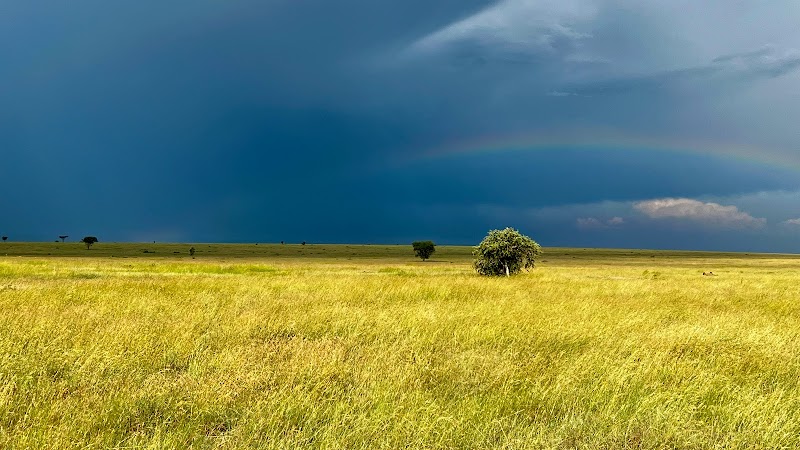
Wilderness Landscape & Natural Heritage
Serengeti National Park is a world-renowned destination for wildlife protection and observation, located in northern Tanzania. Spanning approximately 5,700 square miles, it is part of the larger Serengeti ecosystem, which extends into the neighboring Masai Mara in Kenya. The park's diverse habitats of grassland plains, savannah, riverine forest, and woodlands offer sanctuary to more than 4,000 species of animals including the Big Five: lions, African elephants, Cape buffalo, leopards, and rhinos. Serengeti is particularly well-known for the Great Migration, where millions of wildebeests and zebras move annually in search of green pastures, along with associated predators. Established in 1951, the park also holds deep historical and cultural significance, with evidence of human settlements and activities dating back to the prehistoric era. Visitors to the park are drawn by world-class wildlife viewing opportunities, scenic landscapes, and the rich biodiversity. Balloon safaris, game drives, and guided walking tours are among the various recreational activities available, providing visitors with intimate experiences with nature.
