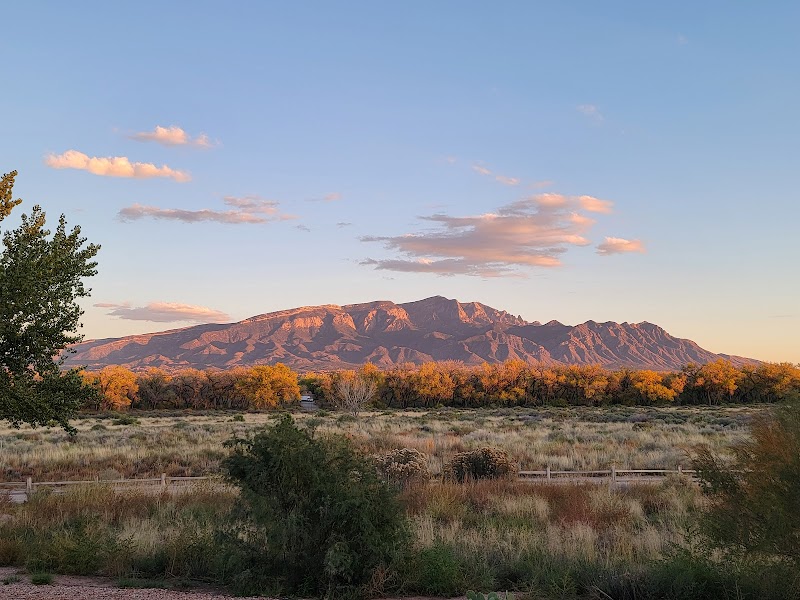
Wilderness Landscape & Natural Heritage
Established to protect one of Venezuela's most remote and ecologically diverse regions, Sierra Parima National Park encompasses the rugged Sierra Parima mountain range within Amazonas State. Characterized by vast tracts of lowland Amazon rainforest, cloud forests, and distinctive tepui formations, the park is an oasis of biodiversity. The park sits along the international border with Brazil, playing a crucial role in safeguarding transboundary ecosystems and indigenous Wayana and Yanomami communities who have lived sustainably here for centuries. Ecologically, the park supports a wide array of flora and fauna, including threatened species such as jaguars, giant river otters, harpy eagles, and a rich diversity of amphibians and plants unique to the tepui environment. Its rivers, including headwaters that feed both the Orinoco and Amazon basins, offer important aquatic habitats and traditional fishing grounds. Due to its remoteness, the park sees very few visitors annually, primarily indigenous people, scientific researchers, and adventurous eco-tourists. Access requires careful planning, often by river or small aircraft, emphasizing its pristine nature. Activities within the park focus on wildlife observation, cultural exchanges, and low-impact trekking on trails leading to scenic viewpoints and tepuis. The area's isolation makes it an exceptional destination for those seeking unspoiled wilderness and insight into ancient ecosystems and cultures. Conservation efforts prioritize protection of biodiversity, indigenous rights, and prevention of illegal mining and logging.