Breathe in the crisp mountain air, charged with the earthy scent of damp soil and pine. As dawn breaks, a gentle mist weaves through the ancient trees, casting a ghostly veil over the landscape. We...
National Park3,700,0004+ Trails
1939NATIONAL PARK
Designation
National Park
Total Wilderness Area
3,700,000
Elevation / Terrain
Diverse Wilderness
Field Editorial Guide
About Southern National Park in South Sudan
Southern National Park is one of South Sudan’s largest protected areas, offering vast savannah landscapes rich in wildlife and supporting some of the country’s last remaining populations of large mammals. It is a vital destination for adventurous wildlife viewing and ecological research.
Wilderness Landscape & Natural Heritage
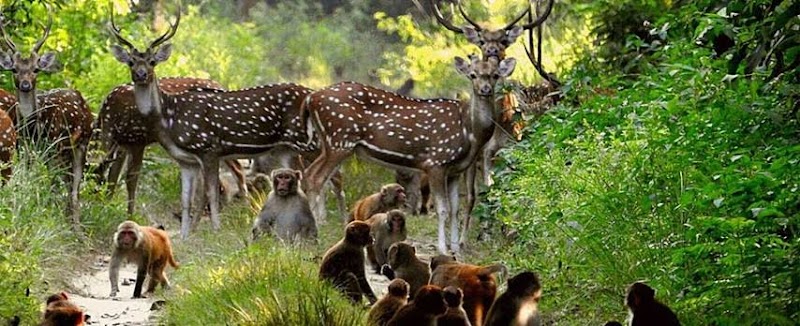
Southern National Park is a vast protected area located in Central Equatoria, South Sudan, covering a significant expanse of savannah and woodland ecosystems along the banks of the eastern stretch of the Congo Basin. Established in 1939 during the colonial administration period, it represents one of the oldest national parks in the country. The park spans over 10,000 square kilometers and is characterized by wide-open grassy plains interspersed with gallery forests, rivers, and wetlands. These varied habitats support a diverse array of wildlife including elephants, lions, buffalo, giraffes, and multiple species of antelope, alongside rich birdlife such as the African fish eagle and colorful hornbills. Due to limited infrastructure and political challenges, the park remains largely undeveloped for tourism, making it a destination primarily for research, conservation efforts, and experienced eco-adventurers seeking remote and off-the-beaten-path wildlife encounters. The park also serves as a critical migratory corridor connecting to the neighboring Democratic Republic of the Congo’s protected forest areas. While there are few formal trails or campgrounds, traditional activities present include guided game drives, bird watching, and river excursions. Challenges such as poaching and habitat degradation persist, but ongoing conservation initiatives aim to protect endangered species and promote sustainable use of the park. Southern National Park’s remoteness adds to its appeal as a pristine conservation landscape with important ecological roles within the region.
Field Guide · National Park
Adventure Destinations
Notable Destinations Near Southern National Park in South Sudan
Scenic viewpoints, outdoor landmarks, and notable points of interest within 60 miles.
Key Wilderness Highlights
✦ Expansive savannahs supporting large herds of African elephants and buffalo✦ Rivers and wetlands that attract a diverse array of birds and aquatic species✦ Intact forest patches providing habitat for endangered species such as the African wild dog✦ Remote, virtually untouched wilderness offering exclusive wildlife viewing experiences
Wilderness Visuals & Gallery
Visual Guide to Southern National Park in South Sudan
Wilderness Recreation
Outdoor Adventures in Southern National Park in South Sudan
Explore curated guides for top outdoor sports, trail networks, and wilderness activities.
Activity Field GuideSouthern National Park in South Sudan
Photography in Southern National Park in South Sudan
Capturing the Majesty of Great Smoky Mountains National Park: A Photographer's Adventure Guide
Breathe in the crisp mountain air, charged with the earthy scent of damp soil and pine. As dawn breaks, a gentle mist weaves through the ancient trees, casting a ghostly veil over the landscape. Welcome to Great Smoky Mountains National Park, a realm where every vista and shadow invites you to capture its alluring beauty through the lens. Whether you’re an amateur with a smartphone or an experienced photographer wielding a DSLR, this park offers an unlimited canvas for your creative pursuits.
Spanning over 800 square miles of dense forests, rolling hills, and cascading waterfalls, the Smokies are a photographer’s dream. Here, the landscape begs for exploration: towering peaks beckon you to climb higher for that perfect shot, while serene valleys whisper secrets of the wilderness. As you craft your itinerary, keep in mind the best times for capturing the Smokies’ charm. The golden hours of sunrise and sunset reveal breathtaking colors that dance across the ridges, making those early risings and late-night adventures invaluable.
When planning your trip, consider the park’s seasons to discover varying photographic opportunities. Spring erupts in a riot of color, as wildflowers blanket the forest floor and vibrant azaleas burst forth. Summer, with its lush green foliage, invites you to wander through quiet thickets and capture the vivid life thriving in every corner. Autumn transforms the park into a painter’s palette of fiery reds and golds, providing a striking backdrop as the leaves turn. Winter, though quieter, offers the enchanting spectacle of frost-kissed branches and the stillness of snow-covered landscapes, perfect for minimalist photography.
While the beauty is unmistakable, prepare for the practical aspects of your adventure. The park is well-marked with a network of trails, each presenting unique opportunities for capturing stunning visuals. Opt for popular routes leading to overlooks—like Clingmans Dome, the highest point in the park, where expansive views allow you to frame your shots under an infinite sky. Access points are conveniently located, but be sure to carry sufficient water, wear sturdy footwear, and check weather conditions beforehand. The Smokies can shift from sunshine to storms in moments, so pack a lightweight rain jacket just in case.
Explore the vibrant ecosystems that thrive here. The ancient forests, rich with biodiversity, offer chances to photograph enchanting wildlife, from playful squirrels darting among the trees to the more elusive deer grazing in the quiet. Utilize telephoto lenses for close-ups without disturbing their natural habitat. The diversity of fauna and flora—such as the iconic gnarled oaks and the delicate blooms of mountain laurel—provides endless subjects for exploration.
Besides majestic landscapes, don’t overlook the captivating historical remnants scattered throughout the park. Old cabin foundations and bridges tell stories of those who walked these lands before us. Capture the character of these structures against the backdrop of nature’s embrace.
To truly immerse yourself, take a moment to simply absorb your surroundings. The sounds of rustling leaves, the distant rush of a waterfall, and the calls of birds harmonize to create a charged atmosphere that itself is worth photographing. Consider using a tripod for long exposure shots to emphasize the silky movement of water or other shifting elements in your frame.
As you embark on your photographic journey, remember to pace yourself and embrace the spontaneous moments. Nature thrives on the unexpected, and sometimes the best shots come when you veer off the advertised paths and follow the calls of your curiosity. Embrace the adventure that awaits every shutter click and allow the Great Smoky Mountains to reveal their hidden secrets to you. With tips in mind, your lens is poised to capture not just images, but stories woven in the heart of this magnificent landscape—a vivid testament to the art of adventure.
Other Available Activity Guides in Southern National Park in South Sudan:
Park Recreation
Bird Watching
Available in Southern National Park in South Sudan
Park Recreation
Guided Game Drives
Available in Southern National Park in South Sudan
Park Recreation
Research and Conservation Activities
Available in Southern National Park in South Sudan
Park Recreation
Cultural Visits with Local Communities
Available in Southern National Park in South Sudan
The Ranger Station
Visitor Logistics & Essential Planning
Everything you need to know about entrance passes, seasons, visitor centers, road transit, and wildlife safety in Southern National Park in South Sudan.
Passes & Fees
Entrance Requirements & Interagency Passes
Access generally coordinated through South Sudan National Wildlife Service; special permits recommended.
Wilderness Checklist
Carry paper topographic map & compass in remote zones.
Store all food and scented items in approved bear canisters.
Check wildfire / smoke advisories before backcountry departure.