Southern National Park in South Sudan wilderness guide
National Park · Central Equatoria
Wildlife%20Viewing Guide

Southern National Park in South Sudan

Southern National Park is one of South Sudan’s largest protected areas, offering vast savannah landscapes rich in wildlife and supporting some of the country’s last remaining populations of large mammals. It is a vital destination for adventurous wildlife viewing and ecological research.

National Park3,700,0004+ Trails

Designation

National Park

Total Wilderness Area

3,700,000

Elevation / Terrain

Diverse Wilderness

Field Editorial Guide

About Southern National Park in South Sudan

Southern National Park is one of South Sudan’s largest protected areas, offering vast savannah landscapes rich in wildlife and supporting some of the country’s last remaining populations of large mammals. It is a vital destination for adventurous wildlife viewing and ecological research.

Wilderness Landscape & Natural Heritage

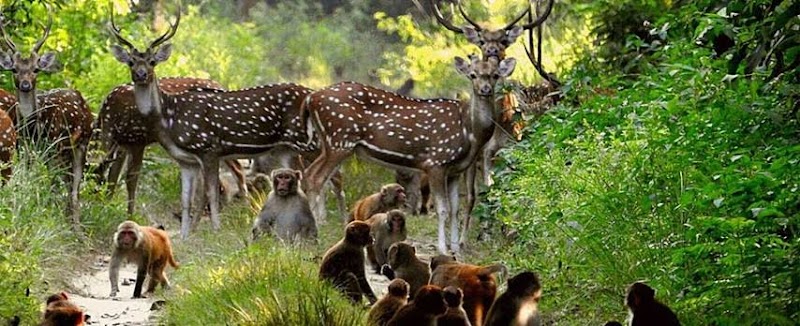
Southern National Park is a vast protected area located in Central Equatoria, South Sudan, covering a significant expanse of savannah and woodland ecosystems along the banks of the eastern stretch of the Congo Basin. Established in 1939 during the colonial administration period, it represents one of the oldest national parks in the country. The park spans over 10,000 square kilometers and is characterized by wide-open grassy plains interspersed with gallery forests, rivers, and wetlands. These varied habitats support a diverse array of wildlife including elephants, lions, buffalo, giraffes, and multiple species of antelope, alongside rich birdlife such as the African fish eagle and colorful hornbills. Due to limited infrastructure and political challenges, the park remains largely undeveloped for tourism, making it a destination primarily for research, conservation efforts, and experienced eco-adventurers seeking remote and off-the-beaten-path wildlife encounters. The park also serves as a critical migratory corridor connecting to the neighboring Democratic Republic of the Congo’s protected forest areas. While there are few formal trails or campgrounds, traditional activities present include guided game drives, bird watching, and river excursions. Challenges such as poaching and habitat degradation persist, but ongoing conservation initiatives aim to protect endangered species and promote sustainable use of the park. Southern National Park’s remoteness adds to its appeal as a pristine conservation landscape with important ecological roles within the region.

Field Guide · National Park
Adventure Destinations

Notable Destinations Near Southern National Park in South Sudan

Scenic viewpoints, outdoor landmarks, and notable points of interest within 60 miles.

Key Wilderness Highlights

Expansive savannahs supporting large herds of African elephants and buffaloRivers and wetlands that attract a diverse array of birds and aquatic speciesIntact forest patches providing habitat for endangered species such as the African wild dogRemote, virtually untouched wilderness offering exclusive wildlife viewing experiences
Wilderness Recreation

Outdoor Adventures in Southern National Park in South Sudan

Explore curated guides for top outdoor sports, trail networks, and wilderness activities.

Park Recreation

Bird Watching

Available in Southern National Park in South Sudan
Park Recreation

Guided Game Drives

Available in Southern National Park in South Sudan
Park Recreation

Research and Conservation Activities

Available in Southern National Park in South Sudan
Park Recreation

Cultural Visits with Local Communities

Available in Southern National Park in South Sudan
The Ranger Station

Visitor Logistics & Essential Planning

Everything you need to know about entrance passes, seasons, visitor centers, road transit, and wildlife safety in Southern National Park in South Sudan.

Passes & Fees

Entrance Requirements & Interagency Passes

Access generally coordinated through South Sudan National Wildlife Service; special permits recommended.

Wilderness Checklist

Carry paper topographic map & compass in remote zones.
Store all food and scented items in approved bear canisters.
Check wildfire / smoke advisories before backcountry departure.
Pack out everything you pack in (Leave No Trace).