Wilderness Landscape & Natural Heritage
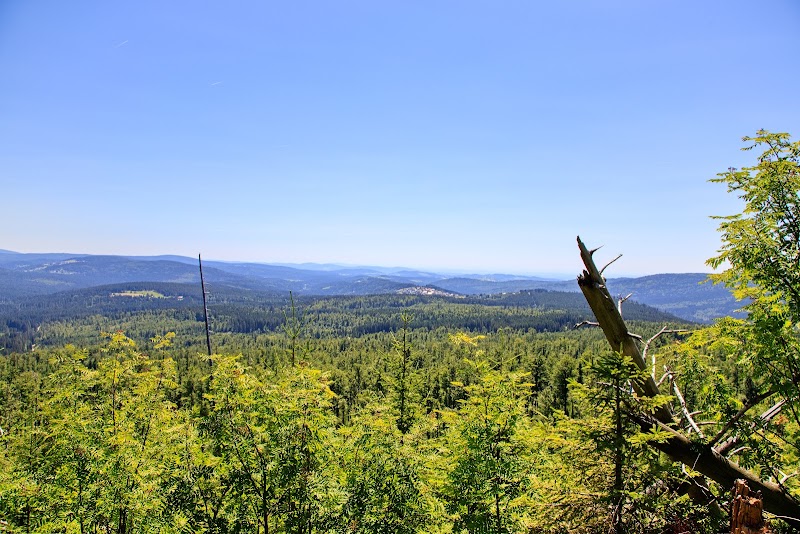
Šumava National Park, established in 1991 and expanded in subsequent years, protects one of Central Europe's most extensive forested landscapes along the border with Germany and Austria. Covering the Bohemian Forest mountain range, it features dense spruce and beech forests, expansive peat bogs, and glacial-origin lakes such as Černé jezero and Plešné jezero. The park's diverse ecosystems support a wide variety of species including lynx, red deer, Eurasian otters, and rare birds like the capercaillie. Historically, the area was shaped by traditional forestry and rural communities, though it became depopulated in the 20th century which helped natural habitats recover. Visitors can explore over 1,000 kilometers of marked hiking and biking trails that range from gentle lowland routes to demanding mountain ascents. Popular activities include nature photography, winter cross-country skiing, and wildlife observation. Notable landmarks include the Boubín Primeval Forest, one of Europe's oldest protected woodlands, and the scenic Vydra River valley. Šumava also offers cultural sites such as the historic glassworks village of Srní. Its relatively undisturbed wilderness and well-maintained infrastructure make it an attractive destination for outdoor recreation and environmental education, balancing conservation with public access.