Beneath the expansive skies of Yellowstone National Park, where the land breathes with geological fire and whispers of ancient stories drift through the air, hikers find themselves swept away by th...
National Park2,471,0004+ Trails
1954NATIONAL PARK
DesignationNational Park
Total Wilderness Area2,471,000
Elevation / TerrainDiverse Wilderness
Field Editorial Guide
About W National Park
W National Park is a transboundary protected area known for its distinctive W-shaped bend in the Niger River and its diverse wildlife, offering unique safari and outdoor exploration experiences in West Africa.
Wilderness Landscape & Natural Heritage
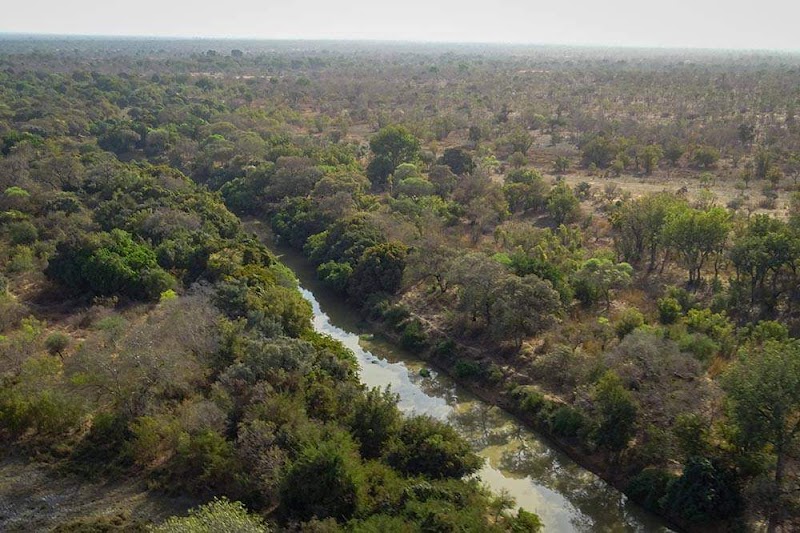
W National Park spans parts of Niger, Benin, and Burkina Faso, covering approximately 10,000 square kilometers of savanna, riverine forests, wetlands, and wooded grasslands. The park is named after the distinctive 'W' shape created by a sharp bend in the Niger River, which flows through the area and supports a variety of aquatic and terrestrial ecosystems. Established in 1954 and designated a UNESCO World Heritage Site, the park protects one of the most important wildlife habitats in West Africa. It is home to a diversity of species including African elephants, lions, cheetahs, hippopotamuses, Nile crocodiles, and several antelope species, alongside over 350 bird species. W National Park holds cultural importance as well, with evidence of ancient human settlements and the presence of traditional communities nearby. Key recreational activities include guided game drives, bird watching, canoe trips on the Niger River, and nature photography. Iconic landmarks within or near the park include the Niger River itself and natural viewing points offering panoramic views. Visitors find appeal in the park's remote wilderness, rich biodiversity, and the opportunity to experience wilderness safaris in a less crowded setting compared to more famous African parks. Cross-border tourism arrangements allow for a unique international conservation effort and visitor experience.
Field Guide · National Park
Adventure Destinations
Notable Destinations Near W National Park
Scenic viewpoints, outdoor landmarks, and notable points of interest within 60 miles.
Key Wilderness Highlights
✦ The W-shaped bend in the Niger River providing critical aquatic habitats and scenic riverfront landscapes✦ Diverse populations of African elephants and large carnivores including lions and cheetahs✦ Savanna and riparian habitats supporting over 350 bird species, ideal for birdwatching✦ Cross-border conservation zones representing collaborative wildlife protection among three countries
Wilderness Visuals & Gallery
Visual Guide to W National Park
Wilderness Recreation
Outdoor Adventures in W National Park
Explore curated guides for top outdoor sports, trail networks, and wilderness activities.
Activity Field GuideW National Park
Hiking in W National Park
Journey Through the Wild Heart of Yellowstone: An Adventurer's Guide to Hiking
Beneath the expansive skies of Yellowstone National Park, where the land breathes with geological fire and whispers of ancient stories drift through the air, hikers find themselves swept away by the rugged beauty and untamed wilderness that defines this extraordinary place. Spanning across Wyoming, Montana, and Idaho, this park is not merely a destination; it's a spirit, a living being beckoning those who dare to venture into its depths. The adventure begins the moment you set foot on the diverse trails that crisscross this vast and vibrant wilderness, each offering its own blend of challenge, beauty, and raw nature's allure.
As your boots tread upon the earth, you're greeted by an orchestra of sensory experiences. The sky sings a blue so deep it’s as if the heavens themselves have descended to mingle with the boiling geysers and tranquil rivers. Trails wind through forests where towering pines stand like stoic guardians, their needles whispering age-old secrets. The sun dapples the forest floor, bringing fleeting moments of warmth to the cool, earthy vibes beneath the canopy. The path ascends, and with every step, the air grows crisper and the views more grandiose. Look out across sprawling valleys where bison roam free, their silhouettes bold against the rolling plains and distant mountains.
The trails of Yellowstone offer a diverse array of hiking experiences, ideal for both the adventurer and the contemplative nature seeker. Imagine ambling along the rim of a breathtaking canyon where colors shift with the sun's angle—the sights here are the reward for the efforts of the hike itself. It's vital to be prepared; the diversity in elevation and distance across the park's trails can vary widely. With hikes ranging from gentle strolls of a few miles to rigorous backcountry ventures climbing thousands of feet, it's advised to tailor your trail choice to your expertise and physical readiness.
Amidst this landscape of wonder, practical considerations remain crucial for a safe and fulfilling experience. Always check the weather forecast before setting out; Yellowstone's climate can be capricious, shifting from sun-drenched warmth to chill rains within the span of an afternoon. Layered clothing is essential to adapt to these rapid changes, creating a guard against the elements without hindering your movement. Your footwear should be sturdy, with a good grip to navigate the varied and often challenging terrain—a reliable pair of hiking boots will lend you both comfort and stability.
Hydration is key as you stride through these trails. Carry ample water, especially on longer hikes or during warmer months, to maintain energy and stamina. Remember, the park's immense elevation means that the air is thinner, making it easier to dehydrate. An occasional snack of high-energy foods can provide that much-needed boost to keep your spirits and strength high.
Embrace a sense of respect and humility in the face of nature’s raw power and pristine beauty. Wildlife thrives here; observe creatures like deer, elk, and bison from a safe distance, letting them conduct their lives undisturbed by your presence. Always keep the Leave No Trace principles in mind, ensuring that this natural treasure can continue to inspire adventurers for generations to come.
At the day’s end, as the sky blooms with the colors of the setting sun and your heart buzzes with the adventure of the day, the call of Yellowstone's wild will linger in your memory. It's a place that gifts you more than just the thrill of the climb or the serenity of the vistas, but a connection to nature so profound it engrains itself into your very being. As you pack up and prepare for the return to the everyday, know that a part of you will remain here, entwined with the wilderness of Yellowstone — waiting patiently for your next adventure.
Other Available Activity Guides in W National Park:
Park Recreation
Birdwatching
Available in W National Park
Park Recreation
Canoeing
Available in W National Park
Park Recreation
Guided Safari Drives
Available in W National Park
Park Recreation
Cultural Visits
Available in W National Park
Park Recreation
Nature Walks
Available in W National Park
The Ranger Station
Visitor Logistics & Essential Planning
Everything you need to know about entrance passes, seasons, visitor centers, road transit, and wildlife safety in W National Park.
Passes & Fees
Entrance Requirements & Interagency Passes
Entrance fees required; permits and guided tour bookings recommended. Entry requirements vary by country sector.
Wilderness Checklist
Carry paper topographic map & compass in remote zones.
Store all food and scented items in approved bear canisters.
Check wildfire / smoke advisories before backcountry departure.
Pack out everything you pack in (Leave No Trace).
Wilderness Stays
Camping & Overnight Stays in W National Park
Frontcountry developed campgrounds, backcountry wilderness permit guidelines, and starry-night camping advice.
Koge Camp
Located near the central river bend, offers tents and basic amenities for visitors wanting proximity to wildlife viewing areas.