Unfurled across the rugged expanse where Wyoming, Montana, and Idaho converge, Yellowstone National Park is a photographer's dream, offering a mesmerizing blend of wild landscapes and vibrant natur...
National Park2,471,0004+ Trails
1954NATIONAL PARK
DesignationNational Park
Total Wilderness Area2,471,000
Elevation / TerrainDiverse Wilderness
Field Editorial Guide
About W National Park
W National Park is a transboundary protected area known for its distinctive W-shaped bend in the Niger River and its diverse wildlife, offering unique safari and outdoor exploration experiences in West Africa.
Wilderness Landscape & Natural Heritage
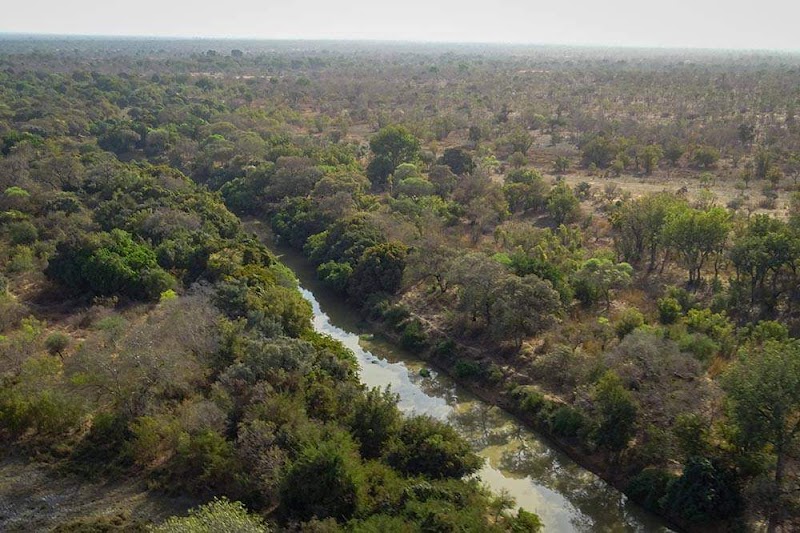
W National Park spans parts of Niger, Benin, and Burkina Faso, covering approximately 10,000 square kilometers of savanna, riverine forests, wetlands, and wooded grasslands. The park is named after the distinctive 'W' shape created by a sharp bend in the Niger River, which flows through the area and supports a variety of aquatic and terrestrial ecosystems. Established in 1954 and designated a UNESCO World Heritage Site, the park protects one of the most important wildlife habitats in West Africa. It is home to a diversity of species including African elephants, lions, cheetahs, hippopotamuses, Nile crocodiles, and several antelope species, alongside over 350 bird species. W National Park holds cultural importance as well, with evidence of ancient human settlements and the presence of traditional communities nearby. Key recreational activities include guided game drives, bird watching, canoe trips on the Niger River, and nature photography. Iconic landmarks within or near the park include the Niger River itself and natural viewing points offering panoramic views. Visitors find appeal in the park's remote wilderness, rich biodiversity, and the opportunity to experience wilderness safaris in a less crowded setting compared to more famous African parks. Cross-border tourism arrangements allow for a unique international conservation effort and visitor experience.
Field Guide · National Park
Adventure Destinations
Notable Destinations Near W National Park
Scenic viewpoints, outdoor landmarks, and notable points of interest within 60 miles.
Key Wilderness Highlights
✦ The W-shaped bend in the Niger River providing critical aquatic habitats and scenic riverfront landscapes✦ Diverse populations of African elephants and large carnivores including lions and cheetahs✦ Savanna and riparian habitats supporting over 350 bird species, ideal for birdwatching✦ Cross-border conservation zones representing collaborative wildlife protection among three countries
Wilderness Visuals & Gallery
Visual Guide to W National Park
Wilderness Recreation
Outdoor Adventures in W National Park
Explore curated guides for top outdoor sports, trail networks, and wilderness activities.
Activity Field GuideW National Park
Photography in W National Park
Embark on a Visual Odyssey: Capturing the Unseen Beauty of Yellowstone
Unfurled across the rugged expanse where Wyoming, Montana, and Idaho converge, Yellowstone National Park is a photographer's dream, offering a mesmerizing blend of wild landscapes and vibrant natural wonders. As one strives to capture the essence of this iconic land through the lens, each click of the shutter becomes a doorway to adventure and discovery. The park’s diverse scenes are a magnet for both novices and seasoned photographers alike, drawing them into a world where every vista tells a story of raw beauty and untamed power.
Imagine standing at the edge of the imposing Grand Canyon of the Yellowstone, where cascading waters roar within the embrace of swirling mist. Here, the river challenges photographers to capture its fearless rush—a true test of patience and technique. As the light shifts, the hues of the canyon walls change, weaving a complex chromatic dance that beckons you to capture its temporal spirit in a single frame. The canyon’s layered depths and the relentless surge of water create a symphony of imagery that dares you to preserve its majesty.
Further afield, the geothermal landscapes of Yellowstone present an otherworldly wonderland. Bacterial mats swirl with vivid oranges and greens around hot springs, painting an ever-changing canvas beneath the watchful gaze of the sun. Geysers punctuate this landscape with dramatic bursts of steam and boiling water, their feast for the eyes and the challenge for the lens. Here, timing and patience are key, as you wait to synchronize the explosive dance of water with the ambient light—nature’s own performance piece.
Strategic planning is essential when embarking on a photographic expedition in Yellowstone. The best light for photography often occurs during the golden hours—early in the morning or late in the afternoon—when the sun’s soft rays enhance the park’s dramatic features. Equip yourself with a versatile lens to switch between sweeping panoramas and intricate close-ups seamlessly. Durable footwear will aid you on trails leading to hidden vantage points or closer to wildlife. Keep in mind the park’s vastness; a well-planned route, considering your photographic interests, maximizes the use of each precious hour.
Amidst the grandeur, Yellowstone offers an intimate spectacle of wildlife, where bison and elk traverse the meadows with a nonchalant grace. This is a testament to the majesty of the natural world, creating opportunities for compelling wildlife photography. With a portfolio of patience, a good telephoto lens, and respect for nature's rhythms, patience reveals unseen stories in the eyes of creatures found in forests and valleys.
On the quieter side of adventure lies the park's numerous hiking trails, each providing a portal to lesser-seen corners of this wilderness. From trails through dense forests, where the quiet whispers of foliage accompany your steps, to open meadows, where the horizon feels limitless—each path promises sights that demand to be captured. Carry extra memory cards and batteries, ensuring you miss no detail, from the minute texture of tree bark to the grandeur of sweeping vistas.
Yellowstone's landscapes draw you into a world both ancient and ever-new—its geysers spouting narratives of creation, its wildlife an emblem of nature's resilience. As you photograph this enigmatic realm, let the park challenge and inspire you, encouraging not only the capturing of breathtaking images but also a deeper connection with the Earth itself. Venture forth with your camera in hand, engage all senses, and embrace the unpredictable beauty that defines Yellowstone.
Other Available Activity Guides in W National Park:
Park Recreation
Birdwatching
Available in W National Park
Park Recreation
Canoeing
Available in W National Park
Park Recreation
Guided Safari Drives
Available in W National Park
Park Recreation
Cultural Visits
Available in W National Park
Park Recreation
Nature Walks
Available in W National Park
The Ranger Station
Visitor Logistics & Essential Planning
Everything you need to know about entrance passes, seasons, visitor centers, road transit, and wildlife safety in W National Park.
Passes & Fees
Entrance Requirements & Interagency Passes
Entrance fees required; permits and guided tour bookings recommended. Entry requirements vary by country sector.
Wilderness Checklist
Carry paper topographic map & compass in remote zones.
Store all food and scented items in approved bear canisters.
Check wildfire / smoke advisories before backcountry departure.
Pack out everything you pack in (Leave No Trace).
Wilderness Stays
Camping & Overnight Stays in W National Park
Frontcountry developed campgrounds, backcountry wilderness permit guidelines, and starry-night camping advice.
Koge Camp
Located near the central river bend, offers tents and basic amenities for visitors wanting proximity to wildlife viewing areas.