Wilderness Landscape & Natural Heritage
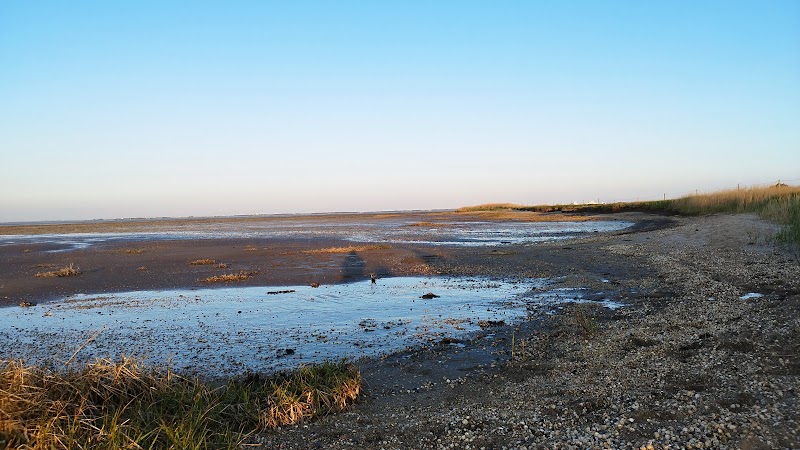
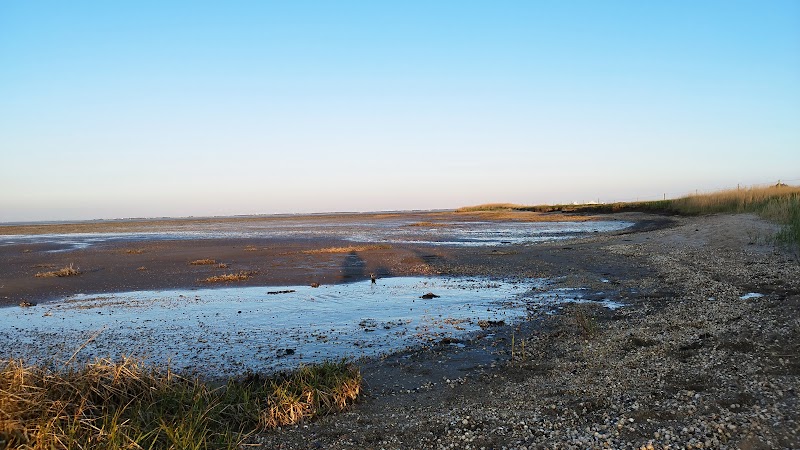
Wadden Sea National Park Schleswig-Holstein, established in 1985, spans approximately 4,411 square kilometers along the North Sea coast of the German state of Schleswig-Holstein. It is part of the larger Wadden Sea, a UNESCO World Heritage site recognized for its extensive tidal flats, salt marshes, and rich biodiversity. The park embodies a dynamic coastal ecosystem shaped by the ebb and flow of tides, where vast mudflats are exposed twice daily, serving as vital feeding grounds for millions of migratory birds and marine life. Its geography features a complex mosaic of channels, sandbanks, islands (such as Sylt, Föhr, and Amrum), and coastal wetlands. Historically, the area has been used by traditional fisheries and coastal communities with a heritage tied to the sea and tides. Today, visitors are drawn by the chance to experience unique guided excursions onto the mudflats, birdwatching hotspots at the visitor centers, seal watching tours, and boat trips to the Frisian Islands. The park also offers educational programs focusing on tidal ecology, conservation, and sustainable use of natural resources. Special protective measures maintain the integrity of the site’s habitats and species, especially for rare shorebirds and marine mammals like harbor seals. The seasonal rhythms dramatically influence outdoor activities, making spring and autumn prime times for migratory bird observation, while summer is popular for exploring the islands and beaches. Wadden Sea National Park Schleswig-Holstein exemplifies a harmonious balance between nature conservation, traditional use, and responsible tourism, offering an unparalleled coastal wilderness experience in Europe.