Wilderness Landscape & Natural Heritage
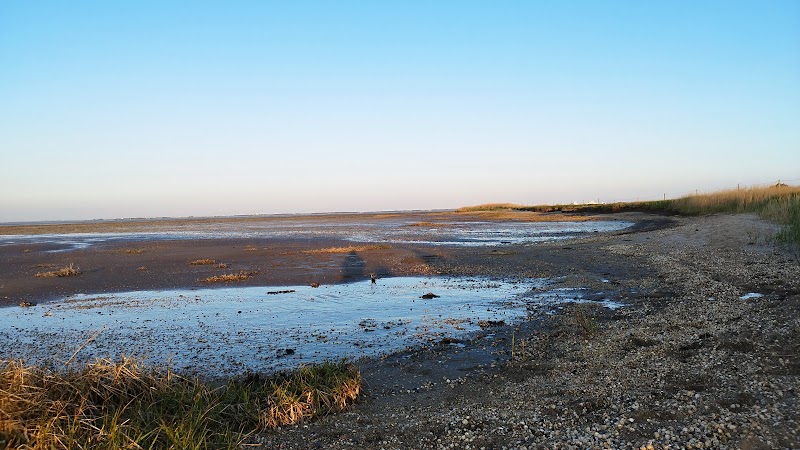
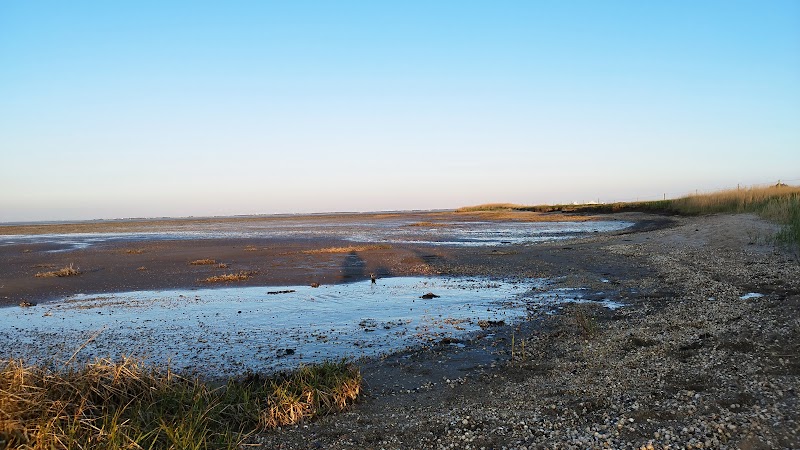
Wadden Sea National Park is one of Europe's most significant wetlands, distinguished by its extensive tidal flats and coastal ecosystems. It stretches along the coastlines of Denmark, Germany, and the Netherlands and is recognized as a UNESCO World Heritage Site. The park's geography is characterized by dynamic intertidal zones that support a rich diversity of life. There are vast mudflats, salt marshes, and islands that provide habitat for numerous bird species, including migratory birds that use the area as a critical stopover point. The historical significance of the Wadden Sea includes centuries of human interaction with the evolving landscape, influencing local culture and sustainable harvesting practices. Visitors are drawn to the park for its exceptional birdwatching opportunities, guided mudflat hikes, and the chance to see marine life such as seals. Key landmarks include the Halligen islands, unique cultural sites with houses on man-made mounds, ensuring resilience against sea floods. Wadden Sea National Park continually attracts nature enthusiasts, birdwatchers, and those interested in the unique tidal ecology.