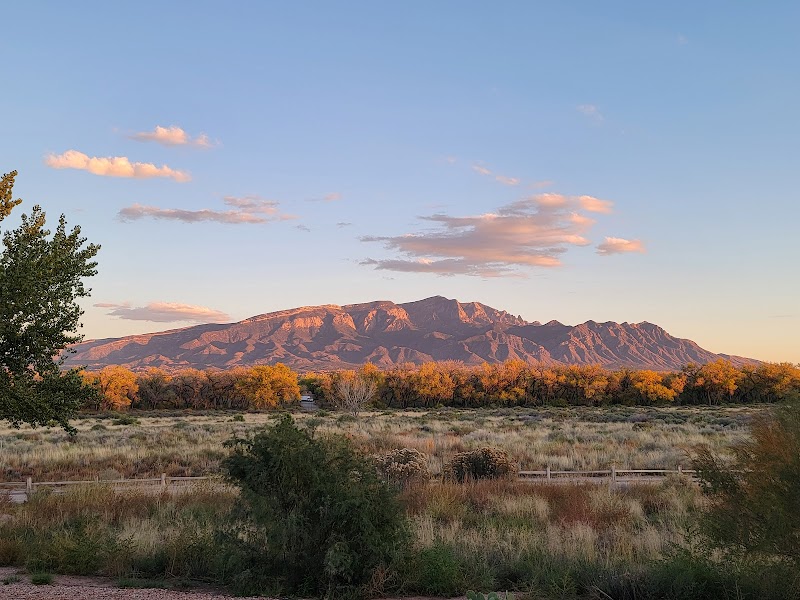
Wilderness Landscape & Natural Heritage
Zov Tigra National Park, established in 1993, is located in the Sikhote-Alin mountain range in Primorsky Krai, Russia. Encompassing rugged mountains, dense mixed forests, and pristine river valleys, the park serves as vital habitat for the endangered Siberian tiger (Amur tiger) and the Amur leopard, among other rare species. Spanning over 4,000 square kilometers, the park protects some of the most intact temperate forest ecosystems in the world, harboring rich biodiversity including Asiatic black bears, red deer, and sable. The terrain varies from low river basins to mountainous ridges reaching elevations over 1,300 meters, with numerous clear rivers supporting diverse aquatic life. Historically, the area has been significant for indigenous peoples and was designated specifically to support tiger conservation and scientific research. Visitors to Zov Tigra National Park can experience extensive hiking opportunities on rugged trails through old-growth forests, wildlife tracking, and guided eco-tours aimed at observing tigers and other elusive fauna. Notable landmarks include the remote Kema River valley and scenic observation points overlooking tiger habitats. The park remains a largely untouched wilderness, attracting researchers and intrepid adventurers seeking a rare glimpse into one of the world's last primeval tiger refuges. Due to its remote location and preserved wild character, the park is less developed for mass tourism, preserving an authentic wilderness experience for those prepared for its challenges.