Wilderness Landscape & Natural Heritage
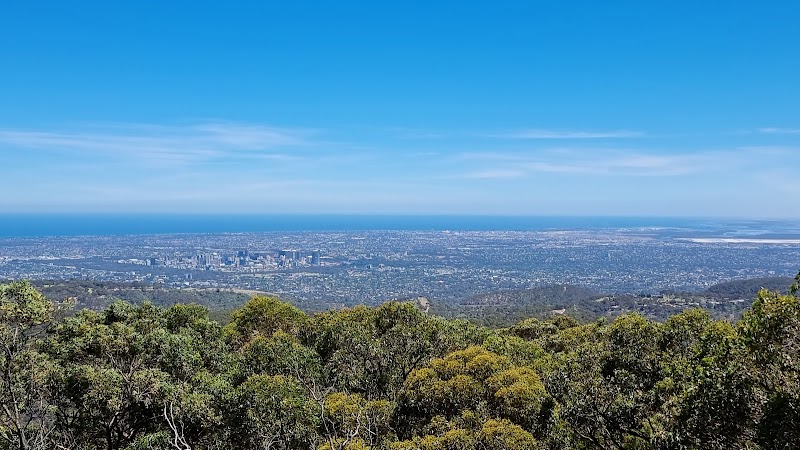
Adelaide Parklands encompass approximately 7 kilometers around the inner city of Adelaide, South Australia, forming one of the world's largest continuous urban parklands. The greenbelt was originally planned in the 19th century as part of Colonel William Light’s design for the city. Today, the parklands cover around 700 hectares and are divided into 29 individual parks and gardens, creating a vital recreational and environmental asset for Adelaide’s residents and visitors. The parklands feature open grassy areas, woodland patches, sporting grounds, wetlands, and playgrounds, supporting a range of native flora and fauna. Species such as the native blue tongue lizard, kookaburras, and various parrots can be spotted throughout. This greenbelt integrates leisure with culture, hosting venues like the Adelaide Zoo, Botanic Gardens, War Memorial, and several sports facilities, including Adelaide Oval. The parklands accommodate walking, jogging, cycling, picnicking, and cultural events year-round. The area is also significant for its Aboriginal heritage and ongoing community activities focused on conservation and traditional land management. As an urban refuge, the parklands serve both as a space for relaxation and as a critical green lung for the city's environment, contributing to improved air quality and biodiversity in a metropolitan context.