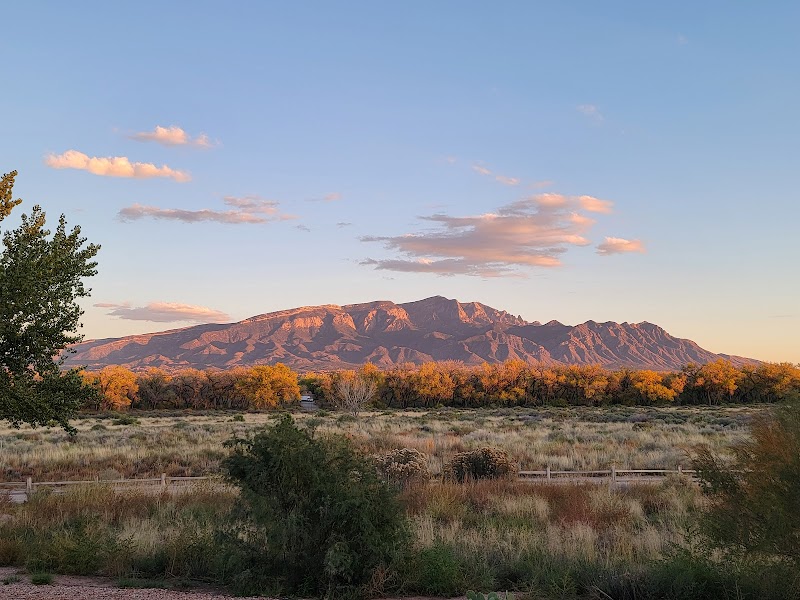
Wilderness Landscape & Natural Heritage
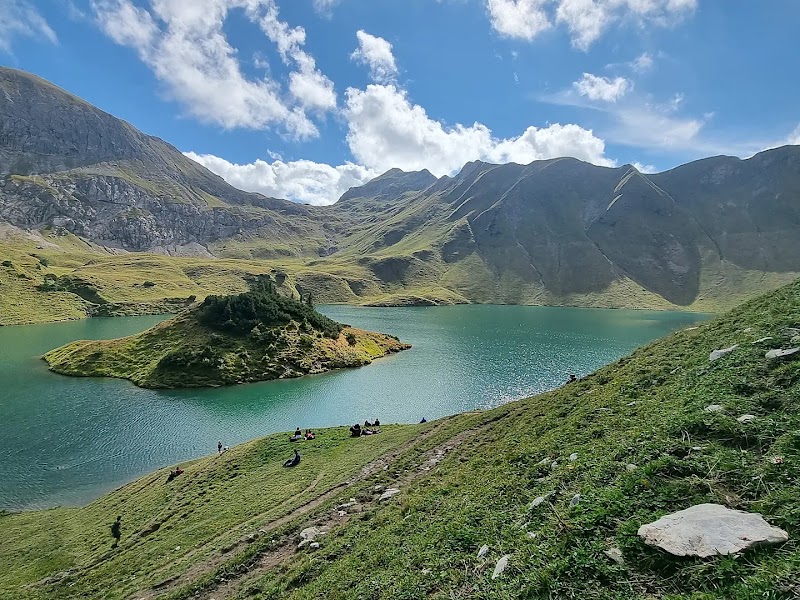
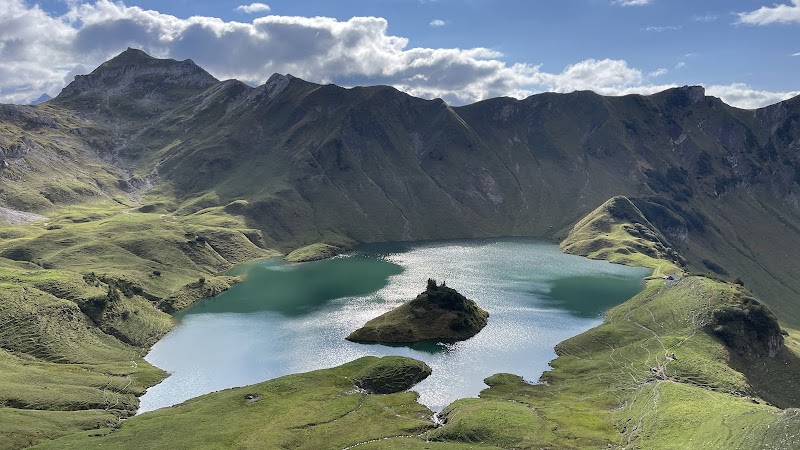
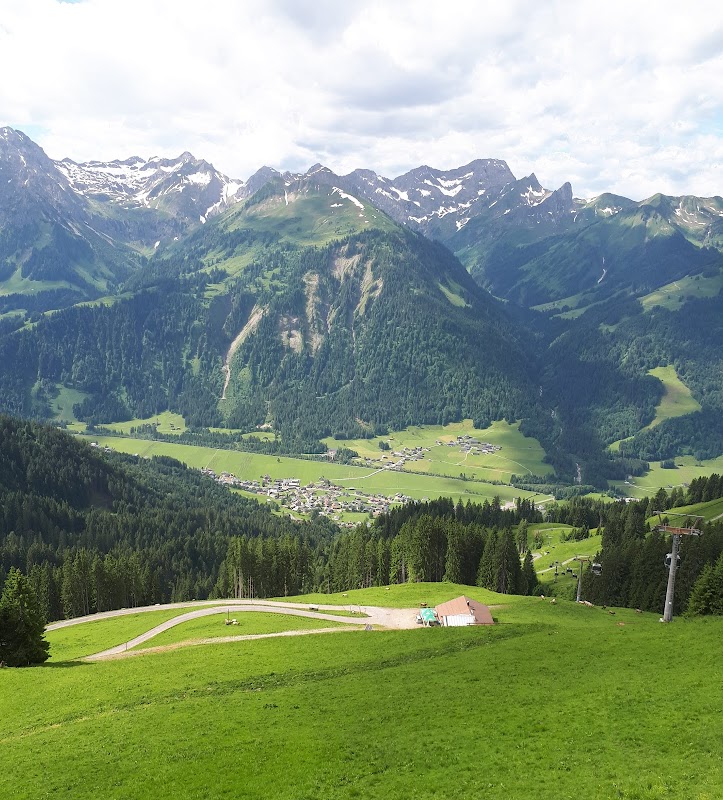
Established in 1988, the Allgäu Alps Nature Park covers an extensive area across the German federal states of Bavaria and Baden-Württemberg, bordering Austria. The park encompasses the northern limestone Alps known as the Allgäu Alps, featuring jagged peaks, deep valleys, glacial lakes, and expansive alpine pastures. Elevations range from roughly 700 meters in the foothills to over 2,600 meters at summits like the Großer Krottenkopf, the highest peak in the Allgäu Alps. The park boasts a diverse ecosystem characterized by mixed coniferous and deciduous forests, mountain pastures, and alpine flora including rare orchids and gentians. It is a refuge for wildlife such as chamois, marmots, golden eagles, and capercaillie. The landscape is deeply shaped by centuries of traditional alpine farming and forestry, preserving cultural elements like pastoral huts (Almen) and historic mountain villages. Visitors enjoy an abundance of recreational opportunities including extensive hiking and mountain biking trails, rock climbing routes, winter sports such as cross-country skiing and snowshoeing, fishing in pristine streams, and nature photography. Iconic landmarks within the park include the dramatic Nebelhorn and Fellhorn peaks, Oberstdorf—a key mountain town and gateway—and numerous mountain huts operated by the German Alpine Club for overnight stays and alpine cuisine. This blend of natural beauty, outdoor activity, and Alpine culture makes the Allgäu Alps Nature Park a beloved destination for families, adventure seekers, and nature lovers alike.