Wilderness Landscape & Natural Heritage
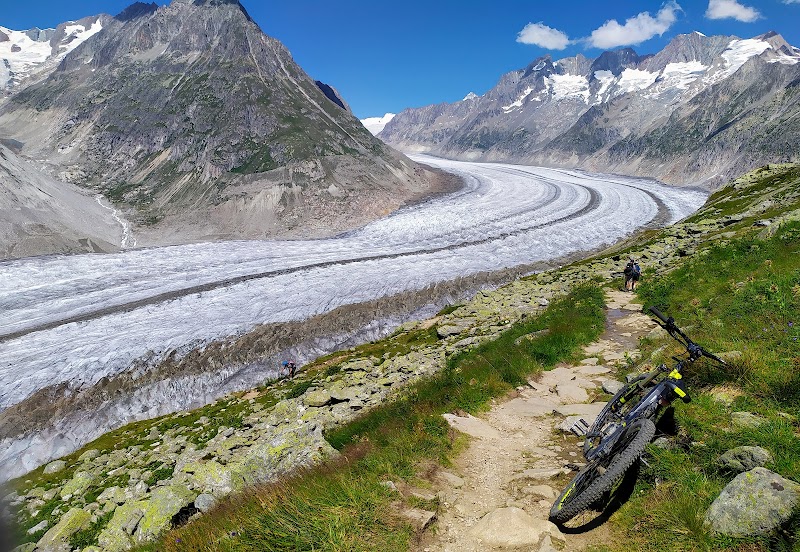
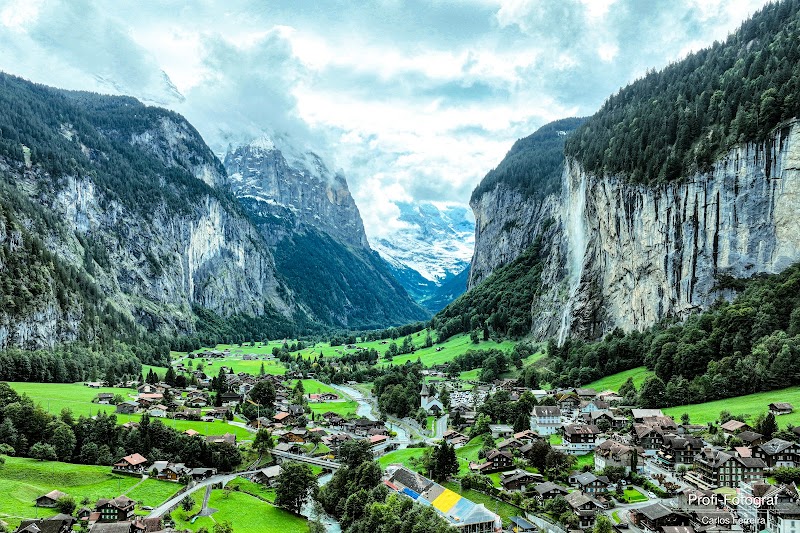
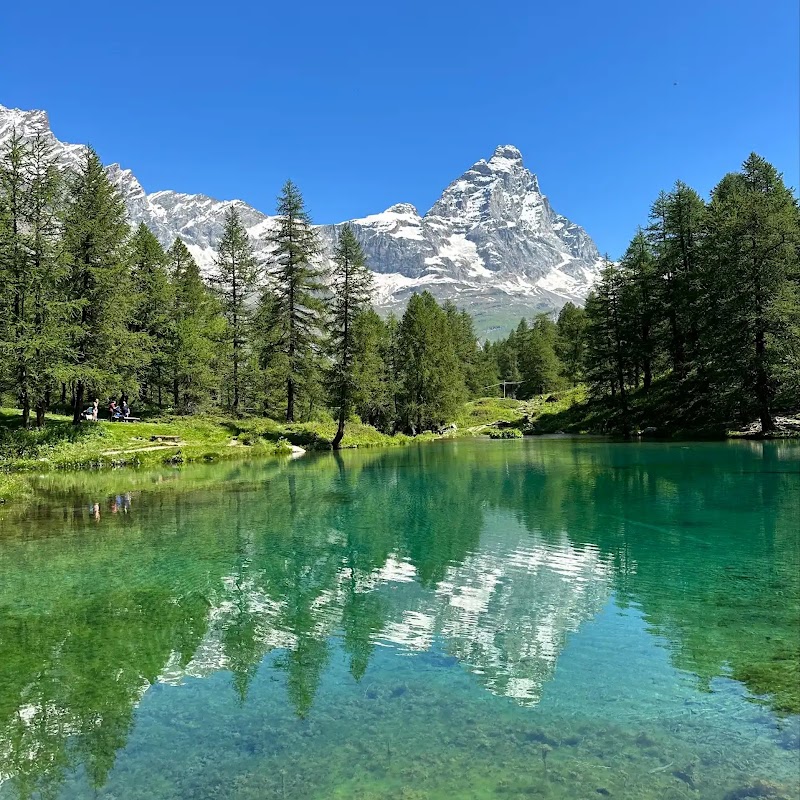
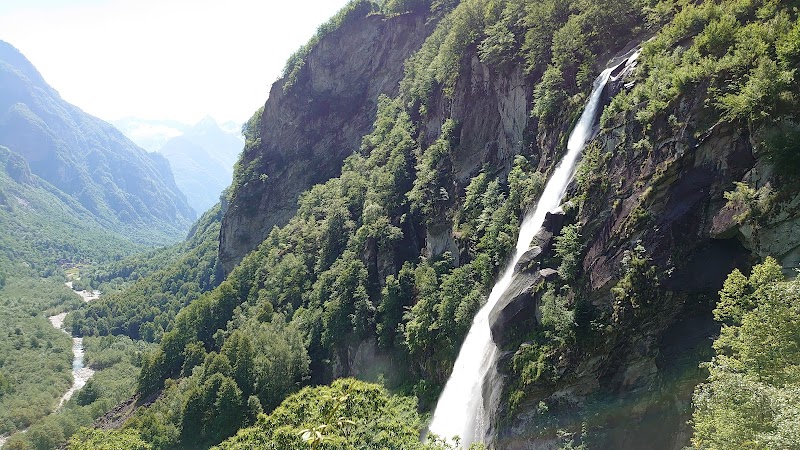
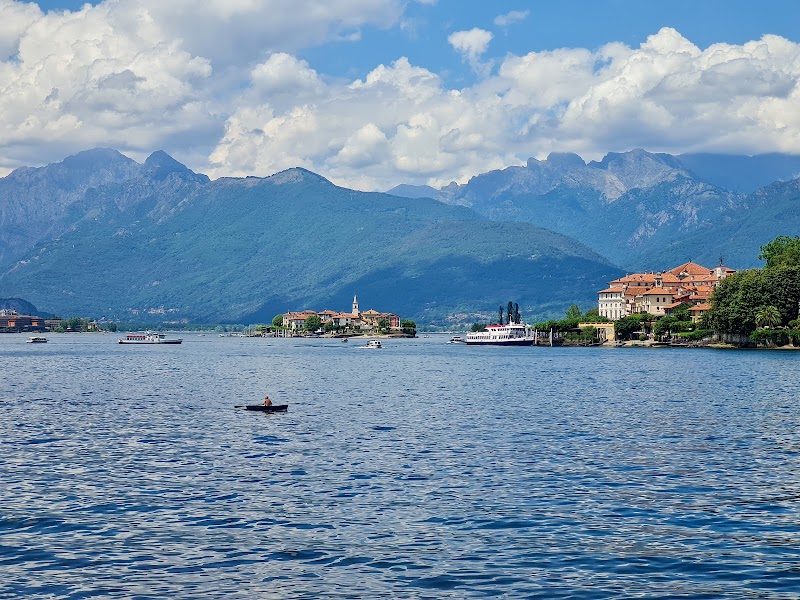
Alpi Lepontine Regional Park, located in the Piedmont region of northern Italy, encompasses a vast alpine area characterized by rugged peaks, glacial cirques, crystalline streams, and deep valleys. The park preserves a high-altitude environment where the Lepontine Alps rise dramatically, featuring some of the highest peaks in the southern Alpine chain, such as Monte Leone and the Weissmies massif. The geography consists of schist and gneiss rock formations, shaped by glacial activity during the last Ice Age. Ecologically, the park is a sanctuary for diverse flora and fauna, with alpine meadows, larch and pine forests, and numerous endemic plant species. It is home to important wildlife, including ibex, chamois, marmots, golden eagles, and rare butterflies, making it a prime location for wildlife enthusiasts and naturalists.
Historically, the area has a rich cultural heritage with alpine villages that preserve traditional customs, alpine agriculture, and mountain crafts. Visitors can explore historic stone mountain huts and old shepherd’s trails that have been used for centuries. Outdoor recreation is the cornerstone of visitor appeal, with a well-maintained network of hiking and climbing routes suitable for all skill levels. The park also offers opportunities for mountain biking, fishing in glacial lakes and streams, and winter snow sports such as ski mountaineering and snowshoeing. Notable landmarks include the serene Lago di Morasco, panoramic mountain passes like Passo del Sempione, and alpine botanical gardens showcasing local plant diversity. The park's mixture of natural splendor and cultural heritage fosters a memorable experience for outdoor enthusiasts, photographers, and families seeking tranquility away from more crowded alpine destinations.