Wilderness Landscape & Natural Heritage
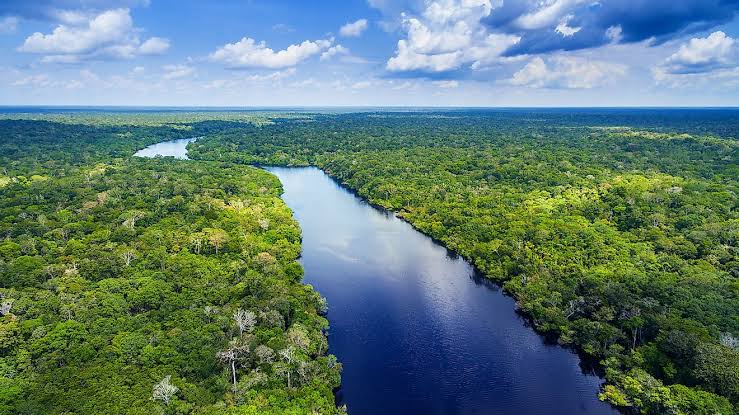
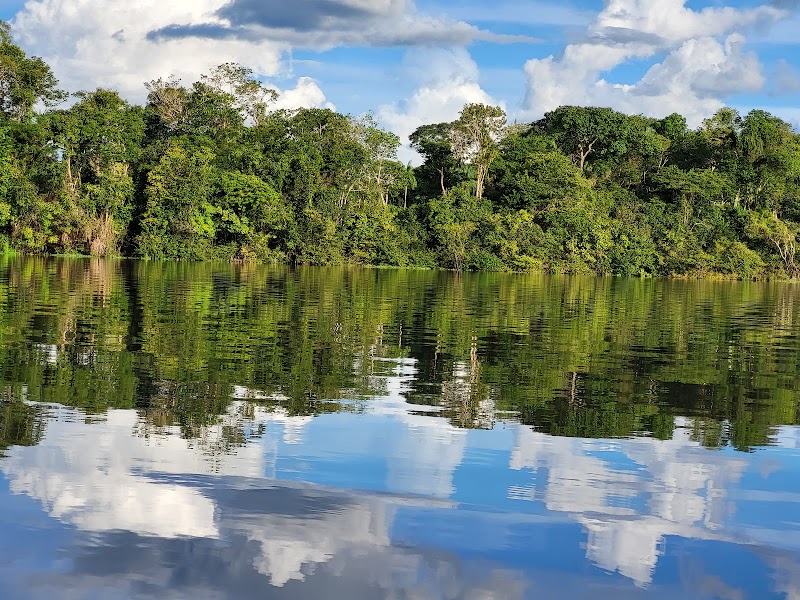
Amazônia National Park (Parque Nacional da Amazônia) is one of Brazil's largest and most ecologically significant protected areas, situated in the heart of the Amazon Rainforest in the state of Amazonas. Spanning over 1.08 million hectares (approximately 2.67 million acres), the park conserves vast tracts of lowland rainforest, seasonal floodplains, and diverse freshwater ecosystems. Established in 1974, the park plays a critical role in preserving some of the richest biodiversity on Earth, sheltering thousands of plant, mammal, bird, reptile, and amphibian species, many of which are endemic and threatened. The park's dense canopy and remote river corridors offer visitors a unique opportunity to experience pristine jungle environments, hike trails through untouched forest, and take guided canoe trips to spot iconic animals such as jaguars, giant river otters, pink river dolphins, macaws, and tapirs. Key recreation opportunities include wildlife watching, jungle trekking, botanical studies, and cultural encounters with indigenous communities living near the park boundaries. The park’s diverse habitats also feature impressive geological formations, including nutrient-rich varzea floodplains, terra firme uplands, and oxbow lakes, contributing to its ecological complexity. Although remote and less developed with visitor infrastructure, Amazônia National Park appeals to adventurous travelers and researchers seeking an authentic and immersive Amazon experience. Its importance for climate regulation, water cycle maintenance, and biodiversity conservation makes it globally significant as a natural treasure.