Wilderness Landscape & Natural Heritage
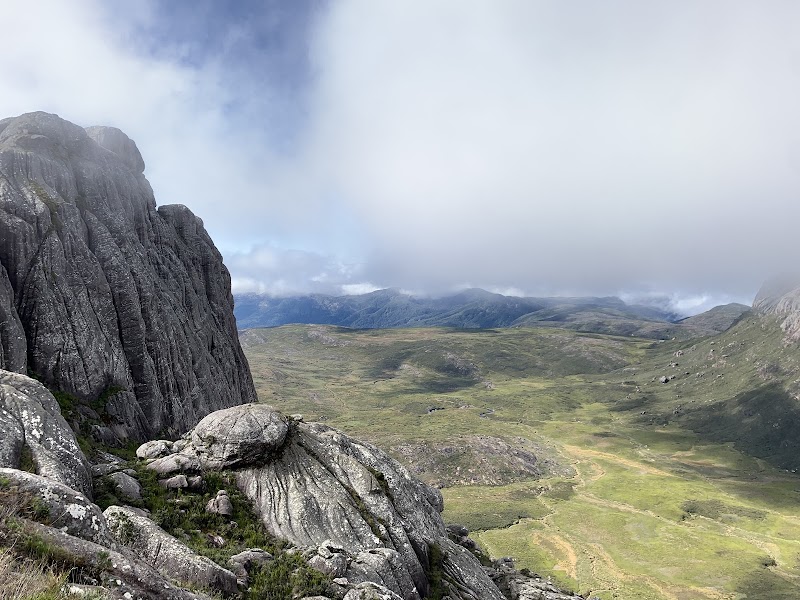
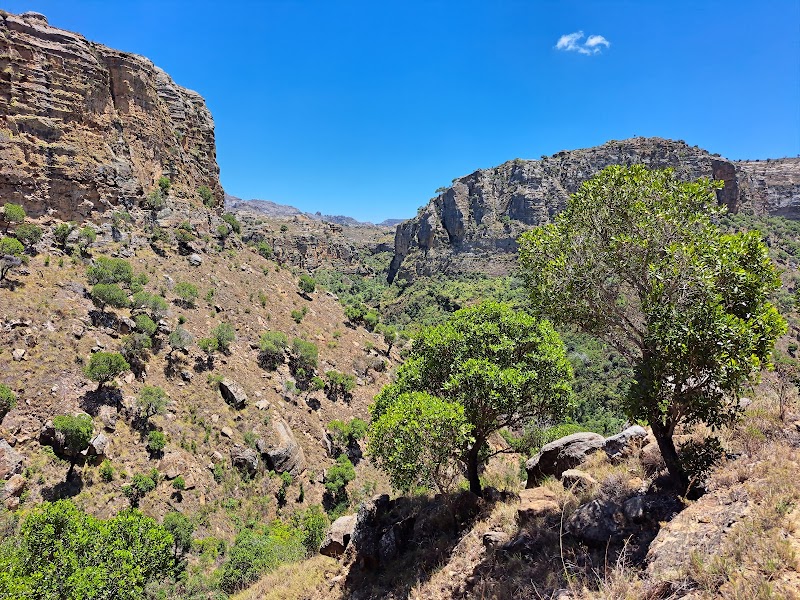
Established in 1997, Andohahela National Park covers a vast area in southeastern Madagascar where two contrasting biomes coexist—humid, tropical rainforest in the eastern section and dry spiny forest in the western part. The park’s geography spans from lowland areas up to mountainous regions, including the Andohahela Massif reaching elevations over 1,500 meters. This environmental diversity creates distinct habitats supporting a wide variety of endemic species. The rainforest portion shelters rare lemurs such as the ring-tailed lemur (Lemur catta), Verreaux’s sifaka, and several species of chameleons and birds. The dry spiny forest area protects unusual plant species like Didiereaceae and Baobabs adapted to arid conditions. Visitors can explore a network of hiking trails leading through diverse vegetation types, visit scenic canyons and waterfalls such as the Nahampoana Falls, and watch for unique wildlife, including the endangered Madagascar hawk-owl and the Madagascar ground boa. Andohahela is also culturally significant, with local Bara and Antandroy communities inhabiting the surrounding areas. The park’s contrasting ecosystems within a compact area, combined with its limited development and remote location, make it a rewarding destination for ecotourists and researchers alike. Visitors often engage in guided day and multi-day hikes, birdwatching tours, and photography. The park is less frequented compared to other Madagascar parks, offering a more tranquil and immersive natural experience.