Wilderness Landscape & Natural Heritage
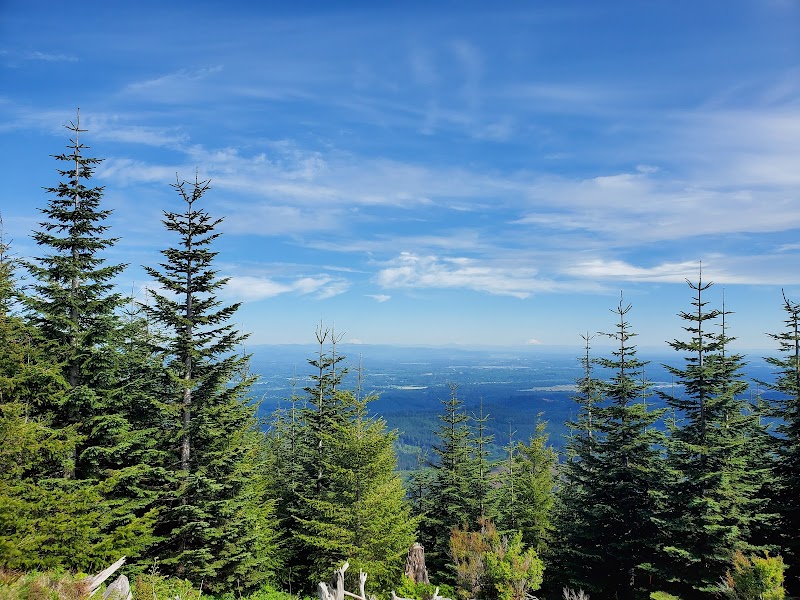
Bann Wetlands is a 1,420-acre protected freshwater marshland located near the town of Aberdeen in southwestern Washington State. This area is part of the greater Chehalis River Basin and was designated to preserve essential wetland ecosystems that serve as critical habitats for migratory birds, native fish, amphibians, and diverse plant communities. Geographically, the wetlands lie within a lowland floodplain and feature a mosaic of marshes, seasonal ponds, and riparian corridors interspersed with forested patches. Ecologically, Bann Wetlands supports a wide range of species including great blue herons, bald eagles, several species of waterfowl, and the rare Oregon spotted frog, highlighting its critical conservation importance. Historically, the area was utilized by indigenous tribes for hunting and gathering and later influenced by logging and conversion pressures before becoming a protected site through collaborative conservation efforts beginning in the early 2000s. Recreational opportunities focus primarily on passive outdoor activities such as birdwatching, nature photography, and hiking along boardwalks and dirt trails that minimize disturbance to sensitive habitats. Notable landmarks include the observation platforms strategically placed for wildlife viewing and educational signage detailing wetland ecology and cultural history. Bann Wetlands appeals to eco-tourists, educators, and outdoors enthusiasts seeking a peaceful natural setting while contributing to the protection of vital wetland ecosystems within an increasingly urbanized landscape.