Wilderness Landscape & Natural Heritage
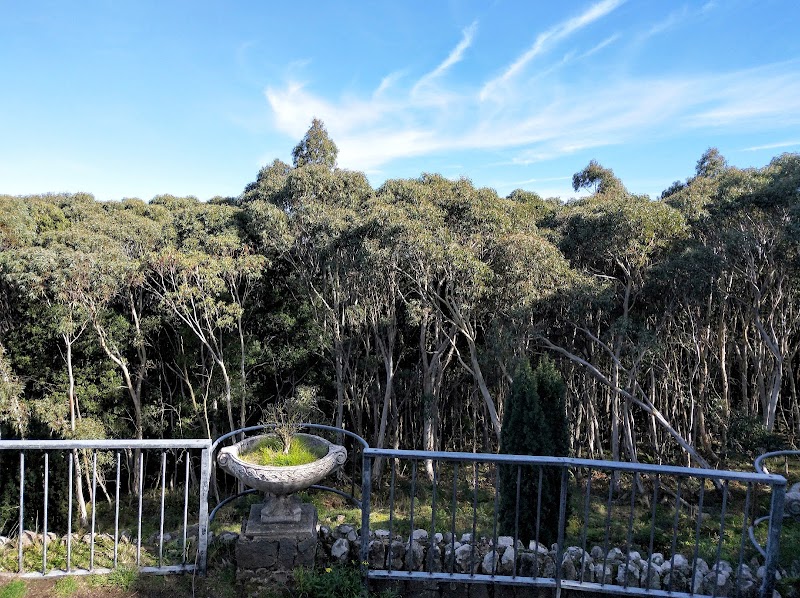
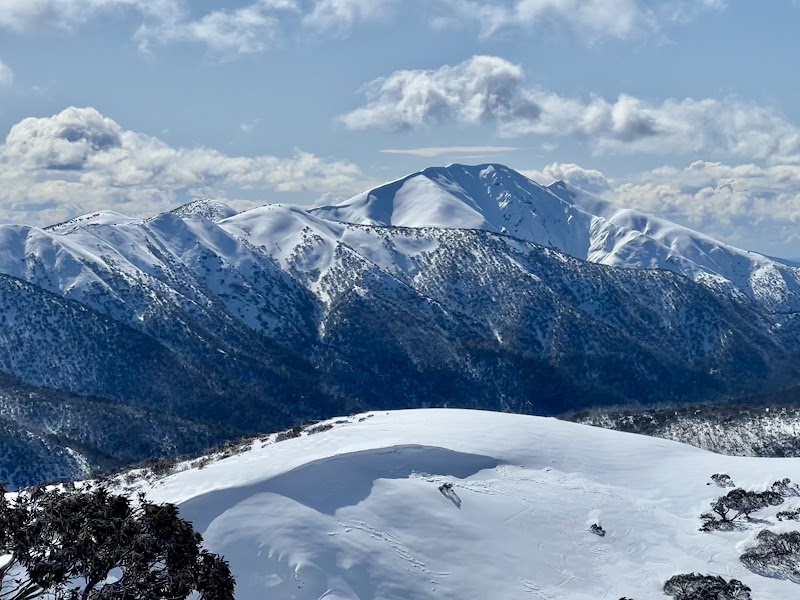
Baw Baw National Park, located approximately 120 kilometers east of Melbourne, covers a rugged alpine region centered around the Baw Baw Plateau and its highest point, Mount St Gwinear. The park features dense cool temperate rainforests, subalpine woodlands, and montane grasslands. Its altitude, ranging from 600 to over 1600 meters, supports unique ecosystems including snow gum woodlands and rare plant species such as the Baw Baw berry and a native alpine pepper. The diverse habitats provide refuge to native wildlife such as the endangered Leadbeater’s possum, wombats, and various bird species including the powerful owl. The area carries cultural significance for the Gunai/Kurnai people, traditional custodians of the land. Recreationally, Baw Baw National Park is popular during winter months for cross-country skiing and snow play, while warmer seasons attract hikers and mountain bikers to trails that ascend through alpine meadows and dense forests. Iconic trails include the Baw Baw Summit Walk, offering panoramic views over Gippsland’s valleys and the Victorian Alps. Several lookouts along the park’s perimeter provide scenic vistas. The park’s remoteness and variable conditions require visitors to prepare thoroughly for changes in weather and alpine terrain. Managed by Parks Victoria, conservation efforts focus on protecting the fragile alpine environment and managing threats like invasive species and fire. Baw Baw National Park serves as a gateway to the Baw Baw Plateau and an accessible alpine experience within reach of metropolitan centers.