Wilderness Landscape & Natural Heritage
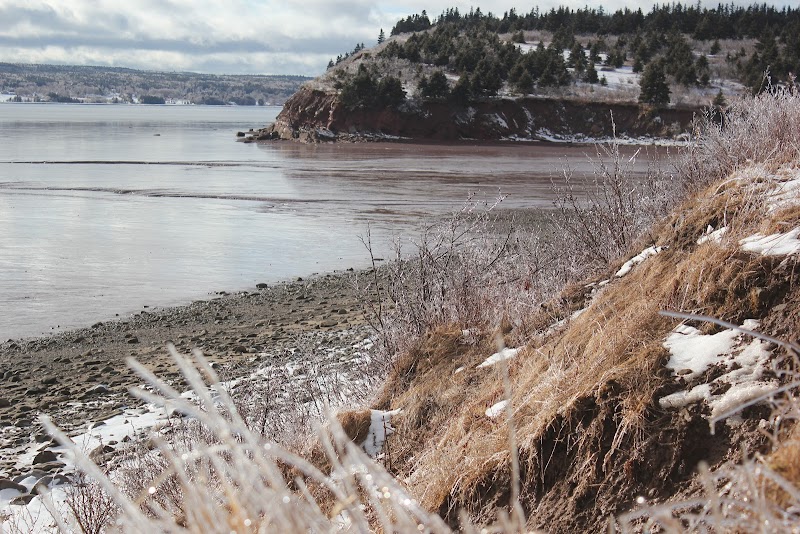
Beaubassin National Historic Site, located near the village of Sackville in southeastern New Brunswick, Canada, protects the vestiges of an Acadian community that flourished in the 1600s and 1700s. This historic site features extensive archaeological evidence of domestic dwellings, dykes, and agricultural fields built by the Acadians who settled here along the tidal marshlands. The area lies on the north shore of the Tantramar Marshes, adjacent to the Bay of Fundy, an ecosystem rich with tidal flats and wetlands that support diverse bird species and plant life. Historically, Beaubassin was a prosperous settlement known for its dykeland farming, which allowed inhabitants to reclaim and cultivate fertile saltmarshes. The Acadian culture was interrupted by the Expulsion of the Acadians in 1755, but the site's archaeological significance provides valuable insights into early colonial life, trade, and adaptation to the coastal environment. Today, visitors can explore interpretive trails and signage that share stories about the Acadian people's resilience and resourcefulness. Birdwatching opportunities abound amid this ecologically significant area, especially during migration seasons. While the site is primarily of historical and archaeological interest, its scenic pathways through salt marshes and fields appeal to visitors seeking educational and contemplative outdoor experiences. Beaubassin stands as an important cultural landmark that combines natural beauty with deep historical roots along the Fundy coast.