Wilderness Landscape & Natural Heritage
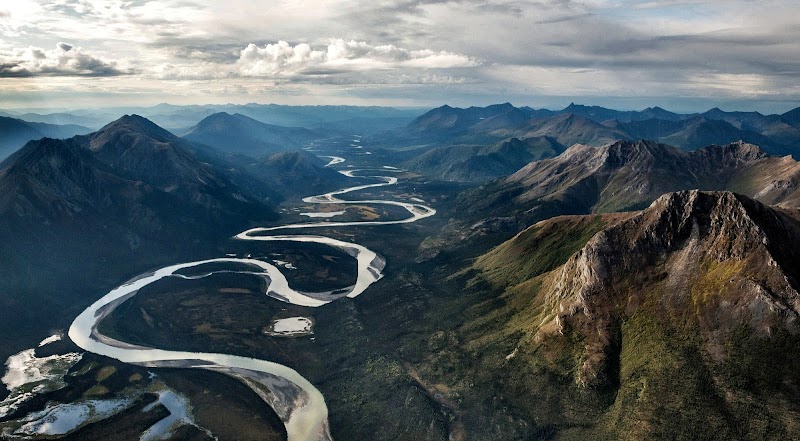
The Beaufort Sea Coastal Plain stretches along the northern edge of Alaska where the tundra meets the Arctic Ocean. This vast, flat region is characterized by wetlands, coastal lagoons, braided rivers, and permafrost terrain. It hosts one of the most critical breeding grounds for Arctic wildlife, including greater white-fronted geese, snow geese, and the iconic Porcupine caribou herd. The plain also supports populations of polar bears, Arctic foxes, and many migratory bird species. The area holds cultural significance for the Inupiat people, who have sustainably used the land and sea resources for millennia. While largely inaccessible by road, the plain offers opportunities for scientific research, wildlife photography, and viewing spectacular natural phenomena such as the midnight sun and northern lights during the appropriate seasons. The Arctic coastal environment provides a glimpse into fragile ecosystems profoundly impacted by climate change, with melting permafrost and shifting wildlife patterns increasingly documented here. Due to its remoteness and extreme weather, visitor access is limited and typically requires careful planning with specialized gear and transportation. The Beaufort Sea Coastal Plain is valuable both as a pristine natural habitat and as a window into the ongoing environmental changes occurring in the far north.