Wilderness Landscape & Natural Heritage
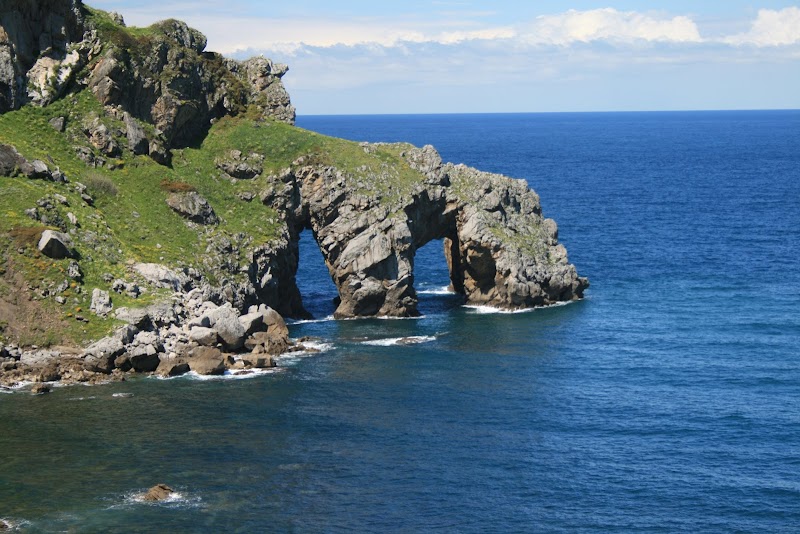
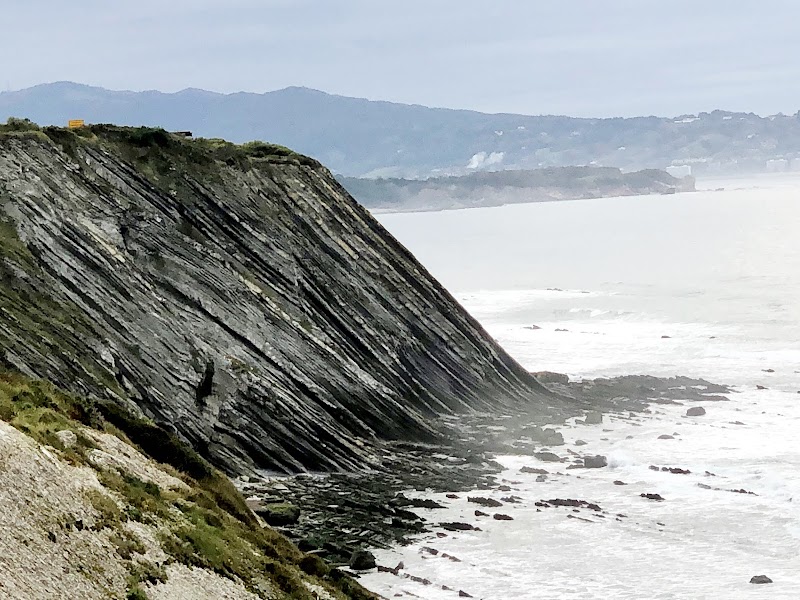
Bidasoa Natural Park encompasses a diverse mosaic of habitats situated along the lower Bidasoa River, where it meets the Atlantic Ocean on the northern coast of Spain, bordering France. The park includes estuaries, wetlands, coastal dunes, cliffs, and riparian forested areas that provide refuge to many species of flora and fauna. This natural park is ecologically important for migratory birds and endemic plants adapted to the Atlantic climate. The landscape is characterized by tidal marshes, eelgrass beds, and salt pans that have historically supported traditional fishing and salt extraction activities. Visitors to Bidasoa Natural Park can explore coastal trails offering stunning seaside views as well as inland paths through forest groves and riverbanks. The area is also culturally significant, with remnants of old fishing villages and coastal defenses reflecting its maritime heritage. Recreation opportunities include hiking, birdwatching, kayaking along the river, and nature photography. The park's proximity to the towns of Hondarribia and Irun makes it easily accessible for day trips, combining nature exploration with regional gastronomy and history. Conservation efforts focus on maintaining the health of the estuarine ecosystem and protecting native wildlife, particularly migratory bird species that use the site as a stopover. Bidasoa Natural Park appeals to nature lovers looking for tranquil coastal landscapes and a chance to experience the unique interface between river and sea in the Basque Country.