Wilderness Landscape & Natural Heritage
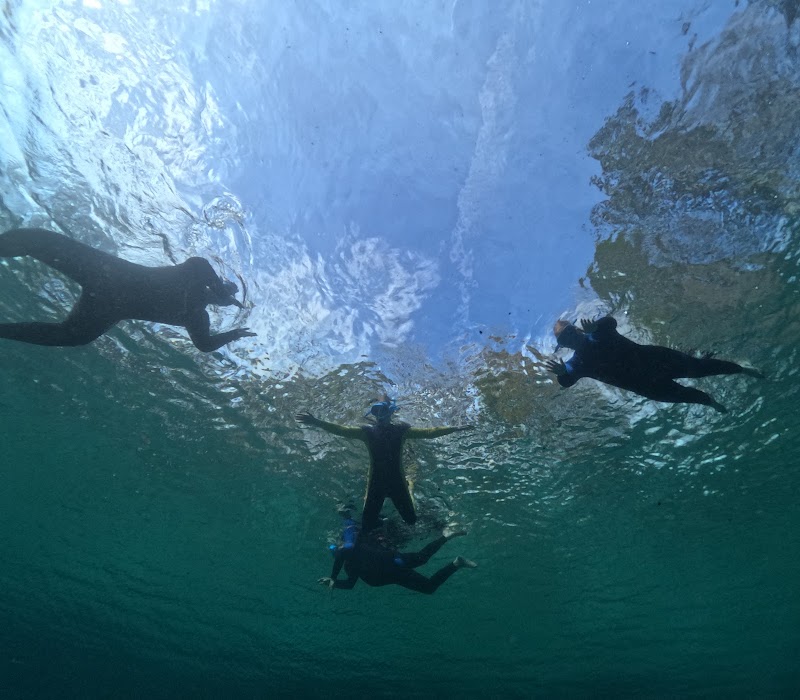
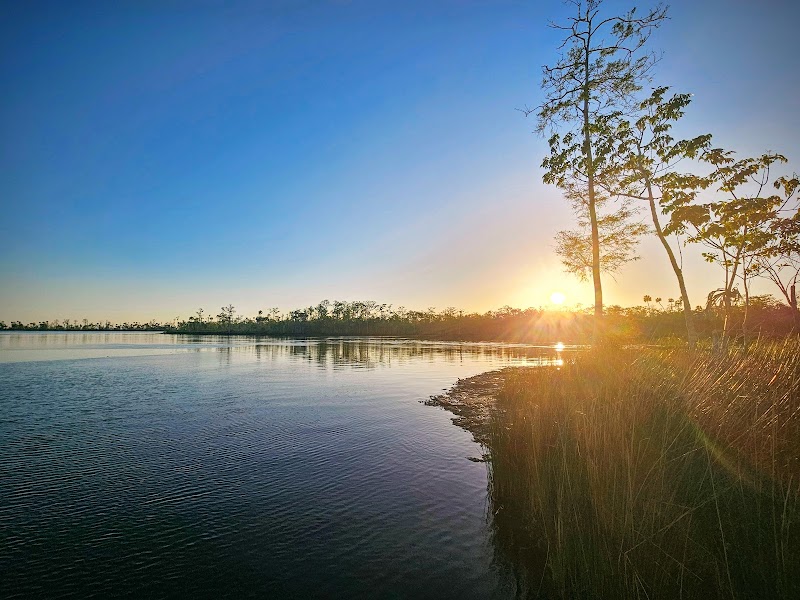
Located along Florida's Gulf Coast from Horseshoe Beach to Anclote Key, the Big Bend Seagrasses Aquatic Preserve spans over 156,000 acres of coastal waters dominated by extensive seagrass beds. These submerged marine plants form critical habitat for a diverse range of aquatic life, including juvenile fish, manatees, sea turtles, and numerous invertebrates. The area features vast estuaries, tidal creeks, salt marshes, and mangrove shorelines, contributing to its ecological significance and making it one of the largest continuous seagrass habitats in the continental United States. The preserve plays a vital role in water quality improvement, shoreline stabilization, and carbon sequestration. Recreation activities often center on non-intrusive pursuits such as kayaking, canoeing, bird watching, and snorkeling, allowing visitors to appreciate the underwater ecosystems and coastal wildlife. Its relatively remote location offers peaceful natural settings for paddlers to explore quiet bays, oyster bars, and small barrier islands. Historically, the Big Bend region supported Native American communities and later became an important area for fishing and coastal trade. Today, protections under the Florida Department of Environmental Protection ensure its ecological function is maintained amid pressures from coastal development and water pollution. Visitors should plan for limited facilities and be prepared for changing tides and weather conditions typical of the Gulf Coast. The preserve also serves as an outdoor classroom for marine science and conservation efforts that highlight the importance of seagrass habitats for overall marine ecosystem health.