Wilderness Landscape & Natural Heritage
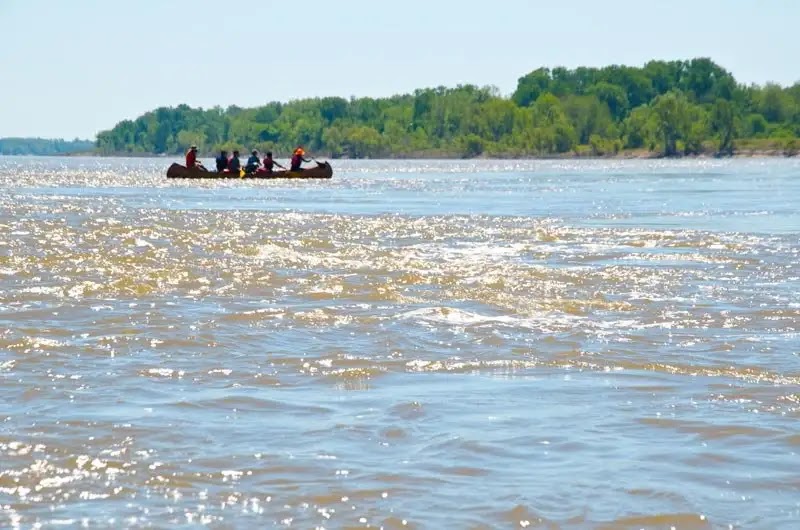
The Birds Point-New Madrid Floodway, located in the southeastern corner of Missouri, was constructed in the 1930s as part of a large-scale flood control system designed to relieve pressure on the Mississippi River levees during high water events. Covering approximately 133,000 acres, the floodway is a low-lying area where levees are intentionally breached during severe floods to divert water away from populated areas. This managed flooding creates a seasonal wetland habitat that supports a rich variety of wildlife, including many migratory bird species, waterfowl, and fish.
Every year, the floodway transforms from farmland and bottomland forest into a vast expanse of flooded wetlands, attracting birdwatchers and anglers alike. The area is internationally recognized as part of the Mississippi Flyway, making it a premier site for observing ducks, geese, shorebirds, and wading birds during migration seasons. Notable fish species like catfish and crappie flourish when waters recede, drawing fishing enthusiasts.
The floodway's landscape consists of bottomland hardwood forests, natural oxbow lakes, sloughs, and open water after flooding events. The area's ecosystem depends on periodic inundation, which replenishes nutrients and supports diverse plant and animal life. While the floodway is primarily managed for flood control, portions are accessible for recreation, including birdwatching, fishing, hunting (with proper permits), and nature photography.
Visitors can experience the changing character of the floodway as waters rise and fall throughout the year, with spring and early summer hosting the most active waterfowl movements. Due to its flood control purpose, access varies depending on river conditions and seasonal closures. The nearest towns such as New Madrid and Tiptonville serve as gateways to the site, where local outfitters and information centers provide insight for safe and rewarding visits.