Wilderness Landscape & Natural Heritage
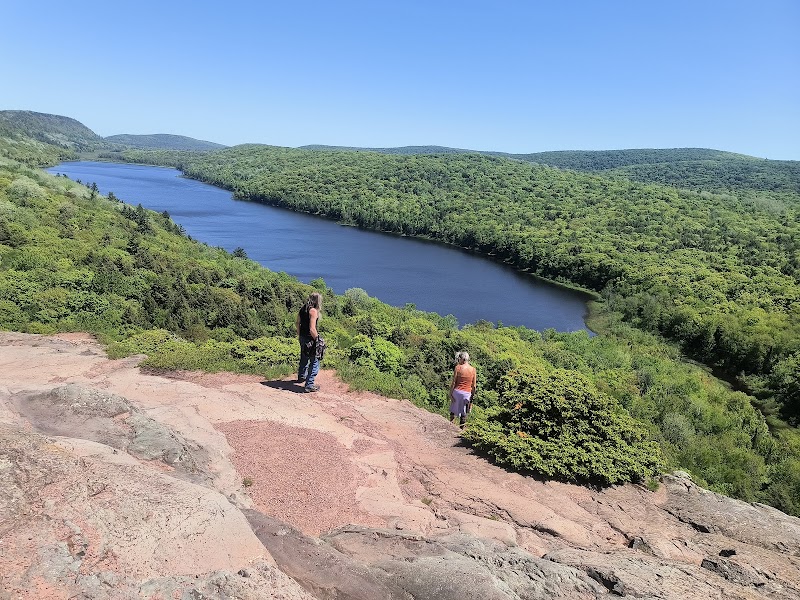
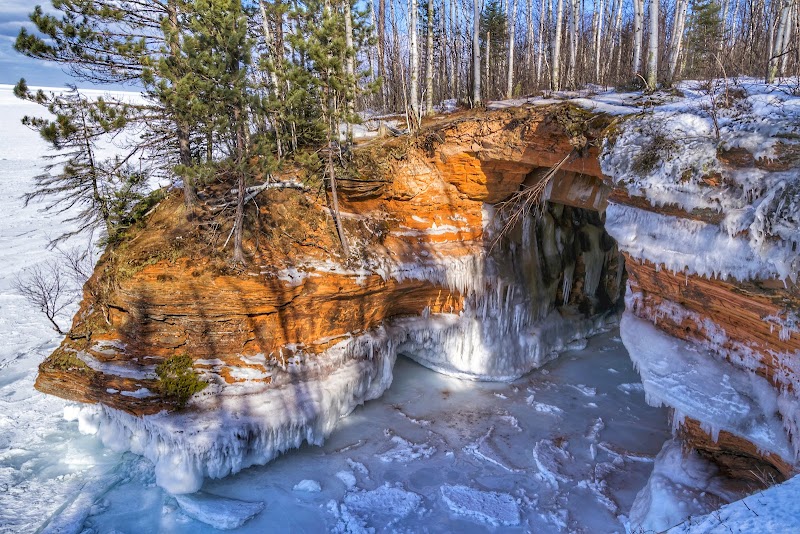
The Black River Conservation Area spans a large tract of predominantly forested land along the Black River in Michigan’s Upper Peninsula. This protected area is characterized by steep cliffs, numerous waterfalls, and a mix of hardwood and conifer forests. The Black River itself is a key ecological feature, supporting diverse aquatic life including native trout species, and is flanked by rugged, often rocky banks that present dramatic scenery throughout the year. Established to preserve the river's natural state and surrounding habitats, the conservation area offers visitors a tranquil wilderness experience. Trails weave through mixed forests and alongside the river, catering to hikers and birdwatchers looking to glimpse species such as bald eagles, otters, and various songbirds. The cascading waterfalls, including well-known falls like Gorge Falls and Bridalveil Falls, draw photographers and nature enthusiasts. In addition to foot travel, the river supports fishing and canoeing opportunities, while the remote sections of forest allow for primitive camping and wildlife viewing. The area’s history includes logging in the late 19th and early 20th centuries, but conservation efforts have since restored much of the native ecosystem. Seasonal appeal ranges from lush summer greenery and vibrant fall foliage to winter landscapes favored by snowshoers. Visitor access is primarily from Highway M-35, with trailheads and picnic areas providing entry points. The Black River Conservation Area attracts outdoor enthusiasts seeking a quieter alternative to more developed parks, emphasizing natural features and low-impact recreation.