Wilderness Landscape & Natural Heritage
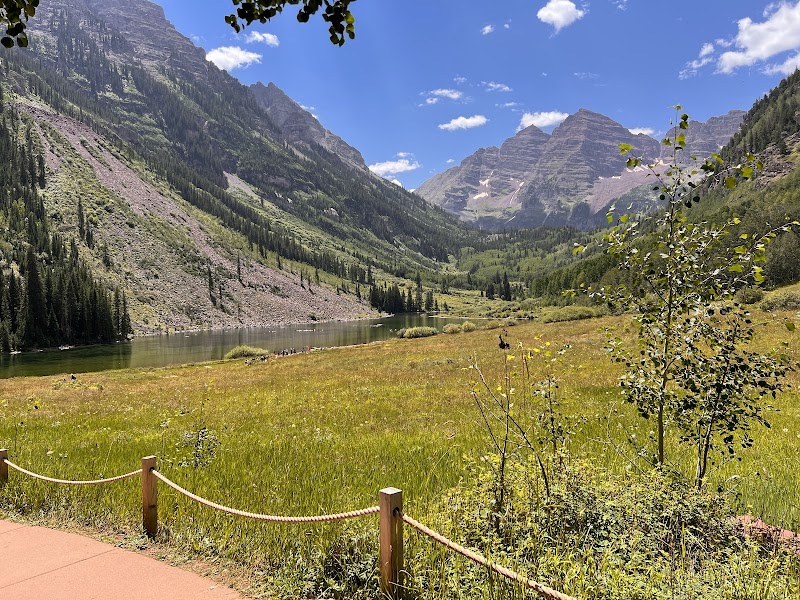
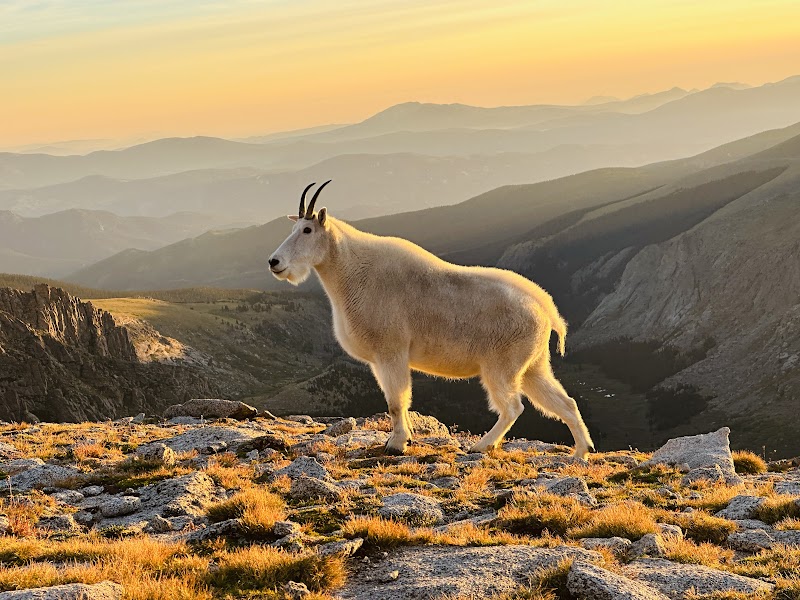
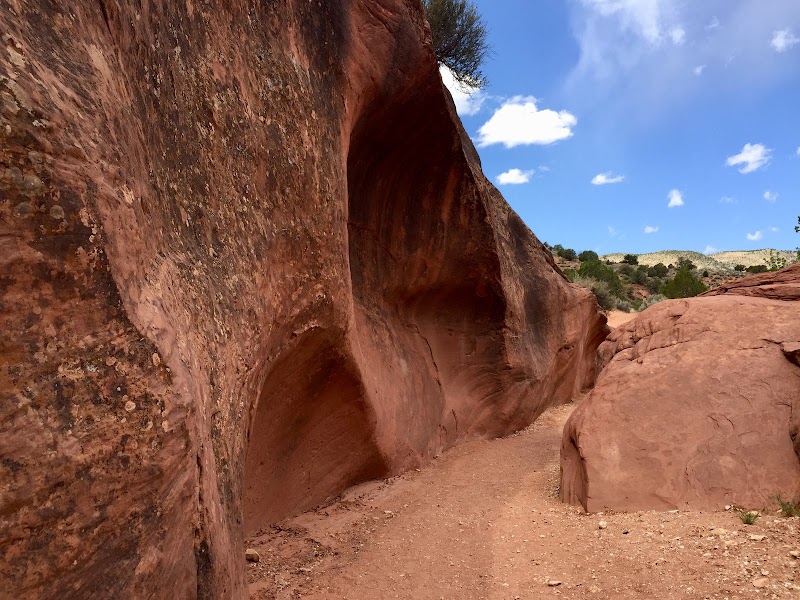
Bureau of Land Management (BLM) lands cover approximately 245 million acres, primarily across 12 western states and Alaska, making it one of the largest land managers in the country. These lands include deserts, grasslands, mountains, canyons, river corridors, and sand dunes with ecosystems ranging from arid to subalpine environments. Managed with a multiple-use philosophy, BLM lands accommodate activities such as hiking, camping, off-highway vehicle travel, wildlife viewing, hunting, fishing, rock climbing, and horseback riding. The history of these lands reflects Native American heritage, pioneer routes, mining booms, and modern conservation efforts. Notable BLM sites include the Vermilion Cliffs National Monument in Arizona, the Red Rock Canyon National Conservation Area near Las Vegas, Nevada, and the Owyhee Canyonlands in Oregon and Idaho. BLM lands also protect significant archaeological and paleontological sites alongside critical habitats for species such as the desert tortoise and bighorn sheep. These public lands attract millions of visitors annually seeking solitude, adventure, and connection with nature. Infrastructure ranges from developed campgrounds and visitor centers to primitive camping and remote trail systems. Their open access and variety of landscapes make BLM lands popular for both day use and extended backcountry expeditions. The agency balances recreation with sustainable land use, mineral extraction, grazing rights, and habitat preservation, aiming to maintain natural and cultural resources for future generations.