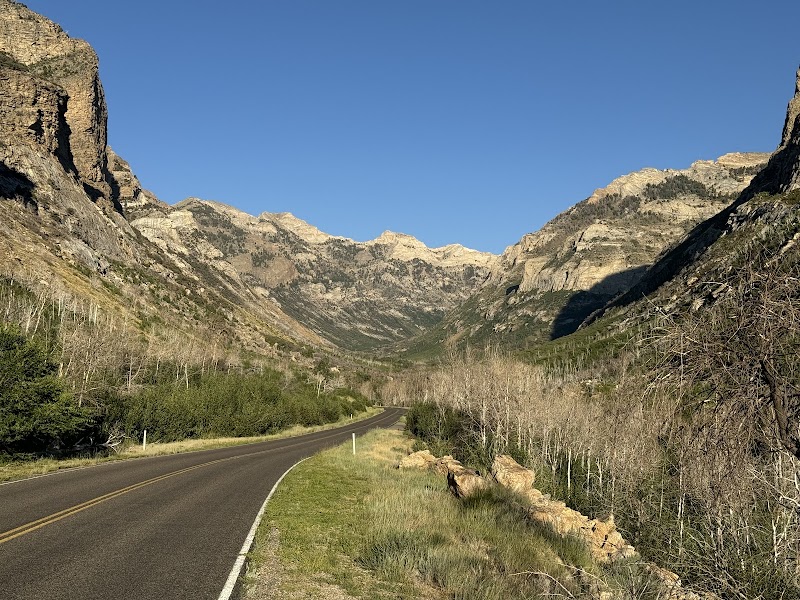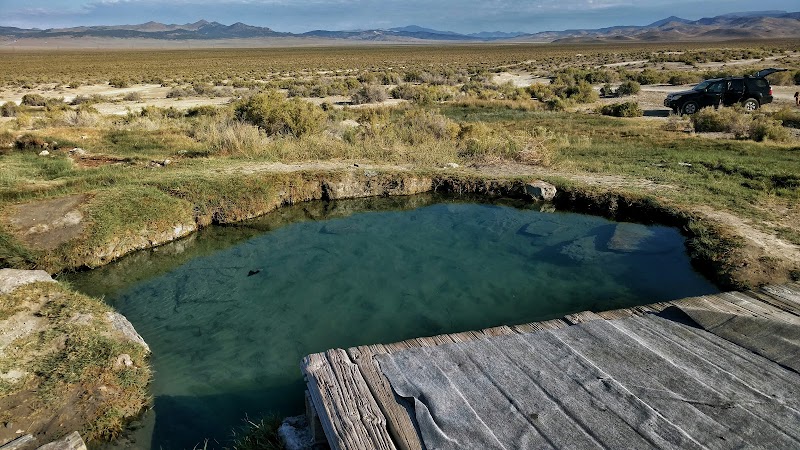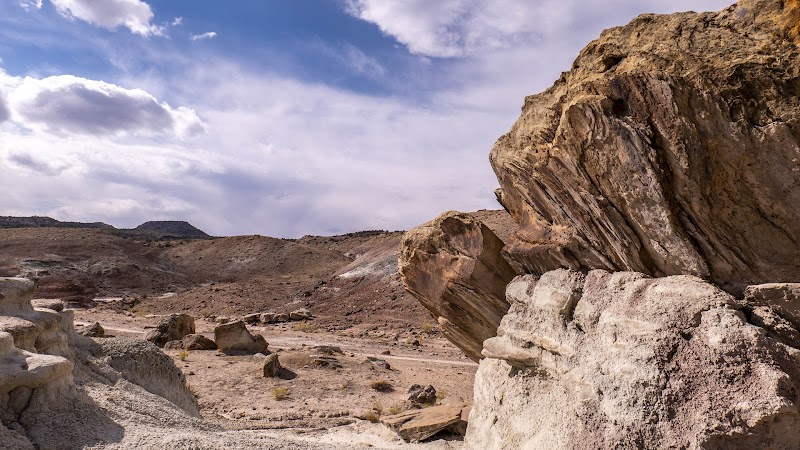
Wilderness Landscape & Natural Heritage
The Bureau of Land Management oversees public lands that span approximately 245 million acres, primarily in the western United States. These lands include forests, mountains, deserts, wetlands, and grasslands, each supporting diverse ecosystems. The history of BLM management dates back to the Taylor Grazing Act of 1934, aimed at preventing overgrazing and soil degradation. Today, the BLM plays a crucial role in balancing land use for recreation, conservation, resource extraction, and public enjoyment. Key recreational opportunities on BLM lands include hiking, camping, mountain biking, and off-road vehicle use. Notable landmarks include Red Rock Canyon National Conservation Area in Nevada and the Sonoran Desert National Monument in Arizona. BLM lands often offer fewer amenities than other federal lands, providing a more rugged and remote experience for visitors seeking solitude and natural beauty.