Wilderness Landscape & Natural Heritage
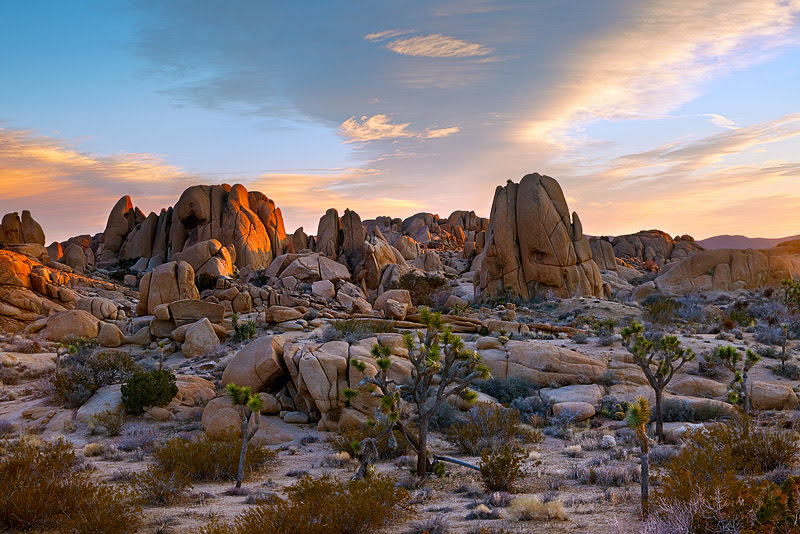
Established in 1976 and managed primarily by the Bureau of Land Management (BLM), the California Desert Conservation Area (CDCA) covers approximately 25 million acres across southeastern California. It includes a diverse range of desert environments such as the Mojave, Colorado, and Great Basin deserts. The landscape ranges from sand dunes and dry lake beds to rugged mountains and canyons. This protected area holds ecological importance due to its unique desert flora and fauna, including Joshua trees, desert bighorn sheep, and associated rare plant communities. The CDCA incorporates several significant National Monuments and Wilderness Areas, such as the Mojave National Preserve, Joshua Tree National Park, and Death Valley National Park, although these specific parks are managed separately. Recreational activities abound, including hiking through diverse terrain, off-highway vehicle (OHV) use on designated trails, rock climbing, camping under dark desert skies, and photography of iconic desert scenes. Key landmarks include the Kelso Dunes, Trona Pinnacles, and the historic remains of mining towns. Visitors are drawn to the sense of vast openness, clear night skies, and rich natural history. The mix of wilderness and accessibility allows for both remote backcountry experiences and family-friendly day trips. The CDCA plays a critical role in conserving fragile desert ecosystems amid increasing development pressures and climate challenges.