Wilderness Landscape & Natural Heritage
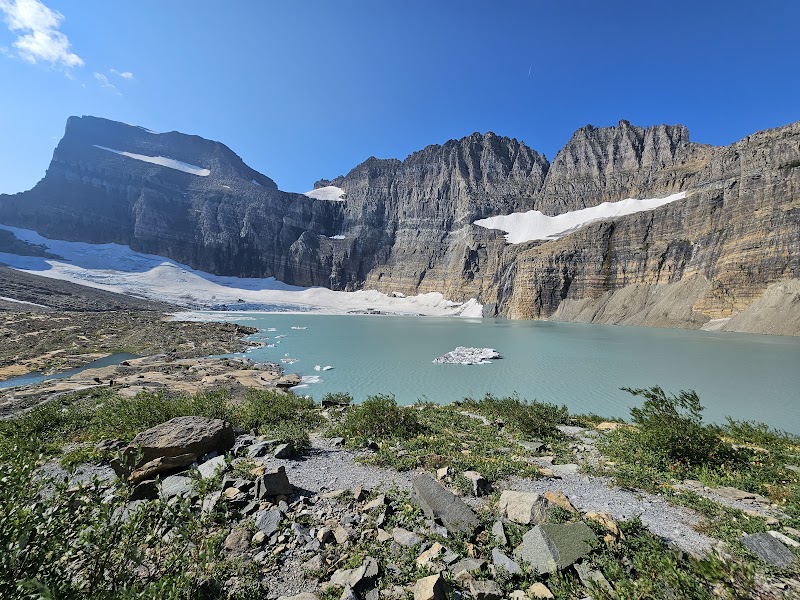
Castle Provincial Park encompasses over 78,000 acres of diverse terrain in the foothills of the Canadian Rockies, near the Alberta–British Columbia border. The park features a varied landscape of rolling hills, dense forests, alpine meadows, and crystal-clear lakes and streams, providing critical habitat for numerous wildlife species such as elk, black bears, cougars, and various bird species. Established in 2017, Castle Provincial Park was created to protect this ecologically significant area, which includes important watersheds and a network of old-growth forests. Visitors are drawn to the park for its remote wilderness experience, with opportunities for multi-day backpacking, horseback riding, and mountain biking on rugged trails. The park is also valued for its fishing potential, with several lakes stocked with trout. Notable landmarks within the park include Mount Haig-Brown and the Castle Lakes. Due to its relatively recent establishment, many areas remain pristine and undeveloped, offering solitude and a genuine sense of adventure. The park also plays a role in regional conservation efforts, serving as a corridor for wildlife movement between the Rockies and the plains. Access is primarily by gravel roads requiring high-clearance vehicles, emphasizing the park’s remote character. Castle Provincial Park appeals to experienced outdoor enthusiasts seeking backcountry experiences as well as casual visitors looking for scenic drives and day hikes in a less crowded environment.