Wilderness Landscape & Natural Heritage
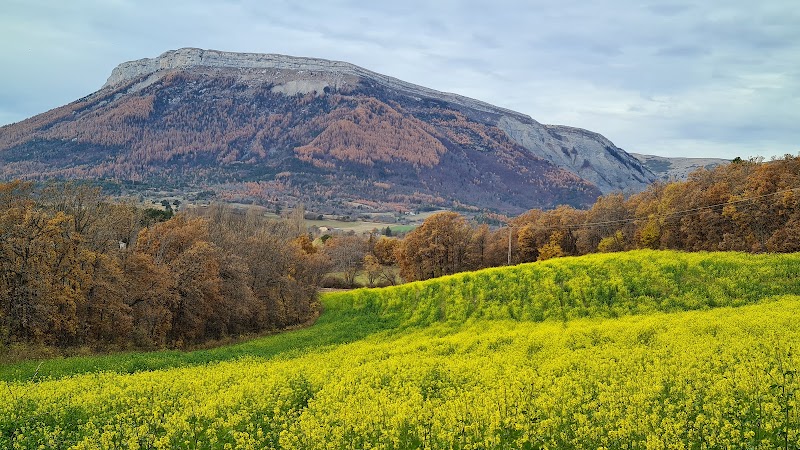
Cévennes National Park spans approximately 3,300 square kilometers in the mountainous region of the Massif Central in southern France. Characterized by steep valleys, rugged plateaus, and diverse forests, it showcases a blend of Mediterranean and montane ecosystems. The park protects an extensive array of flora and fauna, including oak and chestnut forests, heathlands, and several rare species such as the mouflon and golden eagle. Established in 1970, it is the only French national park that is inhabited, with scattered small villages and farming communities maintaining centuries-old agricultural traditions. The cultural landscape includes terraced fields, stone dwellings, and chestnut groves, all shaped by human intervention alongside natural processes. Outdoor enthusiasts are drawn to the park for its well-marked hiking trails such as the famous Stevenson Trail (GR70), mountain biking routes, and opportunities for wildlife viewing. Notable landmarks include the Mont Lozère, the highest summit in the Cévennes reaching 1,699 meters, and the deep Tarn Gorges, which provide dramatic scenery and challenging terrain. The park’s commitment to sustainable tourism and conservation ensures an engaging visitor experience that balances nature and culture. Annual events, local markets, and museums contribute to its appeal. Visitors appreciate the park’s varied landscapes from alpine-style scenery in the north to Mediterranean influences in the south. Cévennes National Park offers a unique combination of natural beauty and human heritage for a wide range of outdoor recreation and educational experiences.