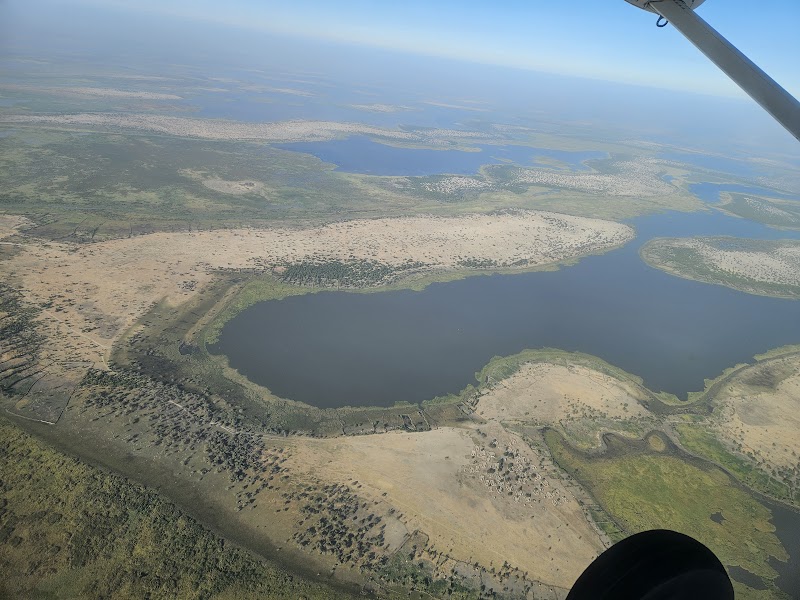
Wilderness Landscape & Natural Heritage
Chad Basin National Park, located in the Lake Chad Basin crossing northeastern Nigeria, southwestern Chad, and southeastern Niger, is an ecologically rich and culturally important protected area. Established to preserve the unique environmental and biological diversity of the region, the park features a combination of seasonal wetlands, shrubland, savanna, and semi-arid desert landscapes. Lake Chad, once one of Africa's largest freshwater lakes, influences the park’s ecology, supporting a range of aquatic and terrestrial wildlife. The park is home to large populations of African elephants, lions, hippos, crocodiles, and numerous bird species, including migratory waterbirds that rely on the region’s wetlands during dry seasons. Human cultures have long depended on these ecosystems, with traditional fishing villages and pastoralist communities living within and around the park boundaries. Historically, the area has faced challenges from desertification and changing lake levels, which have altered habitat availability. Visitors to Chad Basin National Park can experience wildlife viewing, birding, and cultural interactions while traveling through one of Africa’s most significant ecological zones. The park’s remote location and limited tourism infrastructure mean that exploration requires planning and local guidance, but these challenges also protect the area’s wild character. Notable landmarks include remnants of ancient lake shorelines and extensive floodplains that transform with seasonal rains, supporting diverse endemic species. The park plays a key role in regional conservation efforts aimed at protecting endangered species and combating desert encroachment.