Wilderness Landscape & Natural Heritage
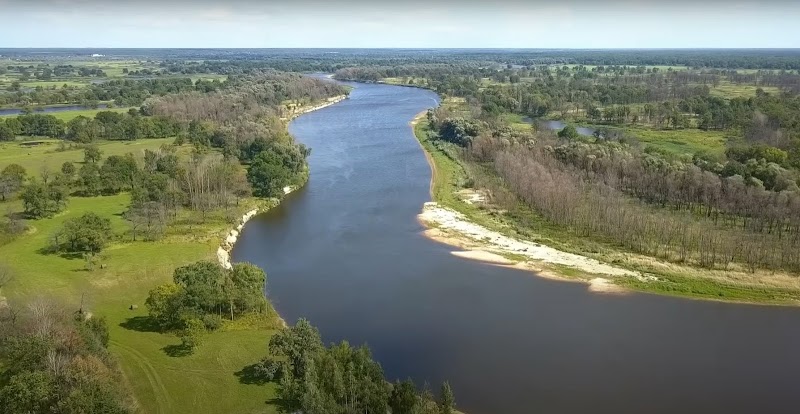
The Chernobyl Exclusion Zone encompasses approximately 2,600 square kilometers surrounding the site of the catastrophic 1986 nuclear accident at the Chernobyl Nuclear Power Plant in northern Ukraine. This zone serves as a strict buffer area to limit human exposure to radioactive contamination. Established immediately after the disaster, the zone comprises an Inner Zone (10-km radius radius 'Exclusion Zone') and an Outer Zone (30-km radius 'Buffer Zone'), encompassing deserted towns and villages, abandoned industrial sites, forests, rivers, and wetlands. Despite official restrictions, the area has become an unusual refuge for wildlife, with populations of wolves, lynx, wild boar, deer, and rare bird species thriving in the absence of human habitation. The spectacular yet eerie abandoned town of Pripyat and the nearby Chernobyl Nuclear Power Plant, including the iconic New Safe Confinement structure enclosing Reactor 4, are notable landmarks attracting scientific researchers and limited tourism focused on disaster history and ecological recovery. Visitors must obtain permits and be accompanied by guides due to radiological safety. The zone's complex ecosystems, shaped by radiation and lack of human activity, offer unique opportunities for scientific research, wildlife observation, and somber reflection on nuclear impacts. Controlled access, ongoing monitoring, and safety protocols ensure visitors can experience this hauntingly beautiful landscape while minimizing risk. While true camping and wilderness recreation are not permitted within the core of the zone, guided nature walks, photography tours, and educational visits provide some of the most extraordinary encounters with nature reclaiming a disaster site in modern history.