Wilderness Landscape & Natural Heritage
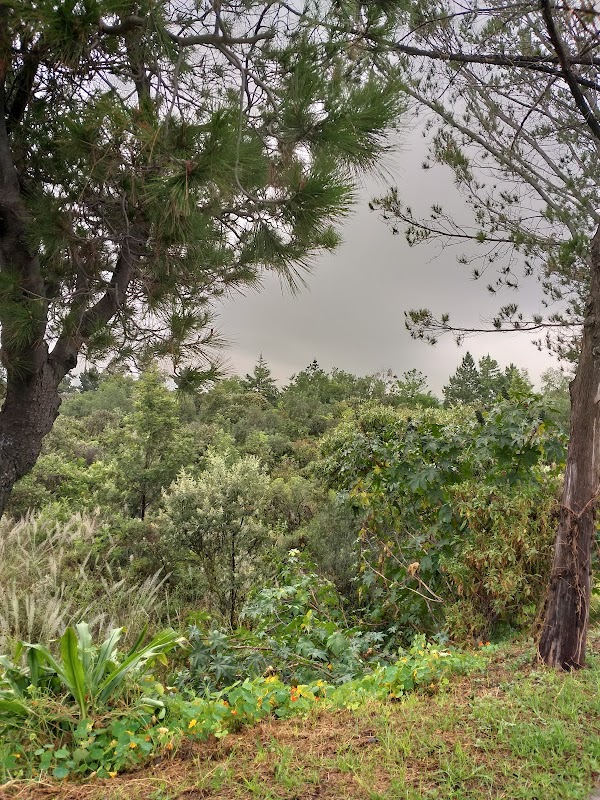
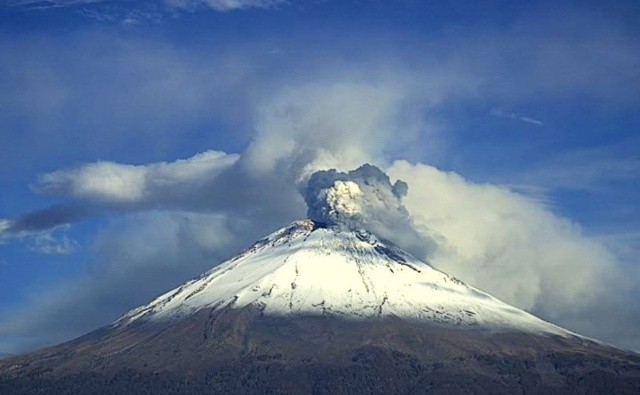
The Chichinautzin Biological Corridor, located in the south of Mexico City encompassing parts of the state of Morelos, is a vital ecological linkage connecting several protected areas, including prominent national parks and reserves. It stretches across a volcanic mountain range, known as the Chichinautzin volcanic field, characterized by hundreds of small cones and lava flows. Spanning approximately 320,000 hectares, this corridor serves as a refuge for endemic and migratory species, preserving pine-oak forests, fir forests, and broadleaf vegetation. The corridor's unique geography includes rugged volcanic terrains, high-altitude forests reaching up to 3,930 meters above sea level, and fertile volcanic soils that sustain a wide range of flora and fauna. Historically, it has been central to conservation efforts aimed at preventing habitat fragmentation near one of the most urbanized areas in the world, Mexico City. Outdoor enthusiasts are drawn to the corridor for hiking, birdwatching, and nature photography, with trails offering spectacular views of towering volcanic peaks, crater lakes such as Cuicocha, and rich wildlife habitats. Notable landmarks include the Ajusco and Malinche volcanoes on the corridor’s periphery and several smaller volcanic cones like Chichinautzin itself. Visitors experience cooler mountain climates and pristine natural environments within easy reach of urban areas, making it an accessible wilderness escape. The corridor also supports key conservation and research initiatives focused on fire prevention, reforestation, and preserving threatened species such as the Mexican pine squirrel and diverse butterfly populations.