Wilderness Landscape & Natural Heritage
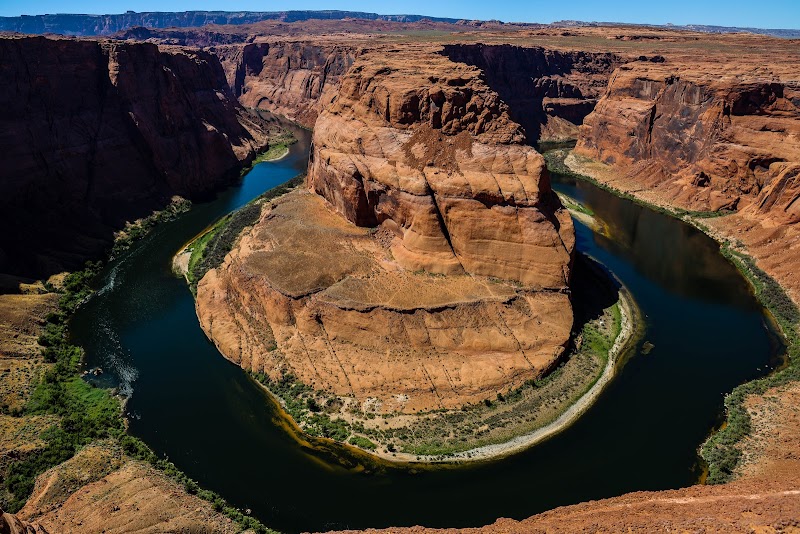
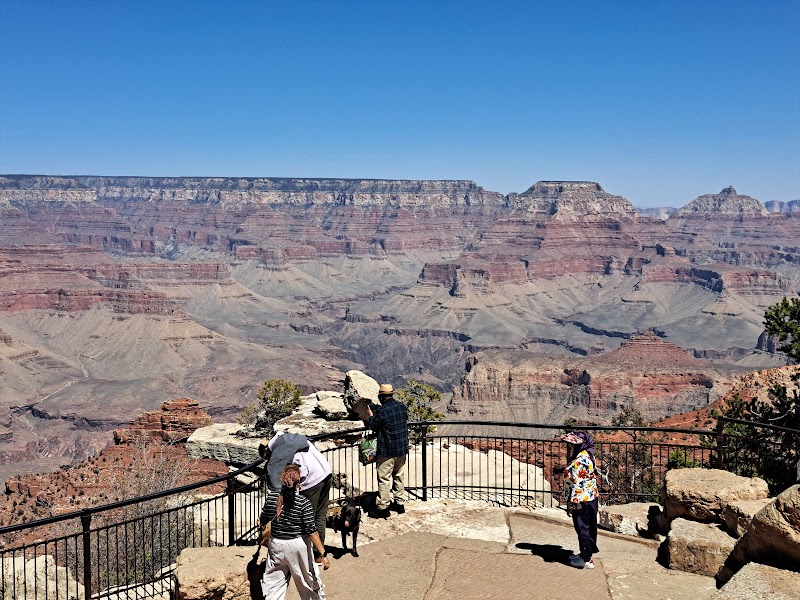
The Colorado Plateau spans roughly 130,000 square miles across northern Arizona, southern Utah, western Colorado, and northwestern New Mexico. This elevated region sits at around 5,000 to 7,000 feet above sea level and features remarkable landscapes shaped by millions of years of geological uplift and erosion. Notable for its vast sandstone plateaus, towering cliffs, slot canyons, and extensive cave systems, the plateau is home to iconic protected areas including several National Parks, Monuments, Wilderness Areas, and Wild & Scenic Rivers. Ecologically, the area supports a mix of pinyon-juniper woodlands, sagebrush deserts, riparian corridors, and unique endemic species such as the Utah prairie dog and the Colorado pikeminnow. The region holds deep cultural significance with numerous archaeological sites tied to Native American tribes including the Navajo, Hopi, Ute, and Ancestral Puebloans. Popular recreational activities focus on hiking renowned trails like the Grand Canyon Rim-to-Rim, exploring the slot canyons of Zion and Canyonlands, climbing sandstone towers, camping beneath star-filled skies, and rafting sections of the Colorado River. Some of the region’s most famous landmarks include Grand Canyon National Park, Arches National Park, Monument Valley, and the expansive canyons within the Bears Ears National Monument. Visitors are drawn not only by the natural beauty but also by opportunities to study geology, discover ancient petroglyphs, and experience solitude in wilderness areas. Access points are available around several towns such as Moab, Flagstaff, and Page, making it a well-loved destination for outdoor enthusiasts year-round.