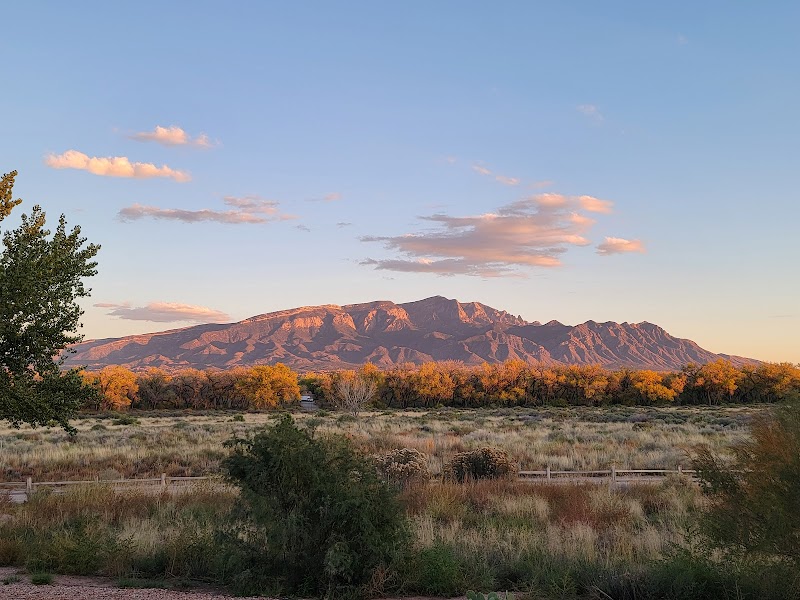
Wilderness Landscape & Natural Heritage
The Colorado River Delta Wetlands are situated where the Colorado River once discharged into the Gulf of California, spanning areas in the U.S. state of California and the Mexican state of Baja California and Sonora. Historically a vast network of freshwater marshes, riparian forests, and estuarine habitats, these wetlands supported a rich diversity of plant and animal life, including many migratory birds and native fish species. Decades of river diversion upstream have largely dried the delta, but ongoing restoration efforts and managed water releases have begun to revive portions of this important ecosystem. The wetlands' geography includes floodplains, marshes, and desert scrub that provide habitats distinct from the surrounding arid Sonoran Desert. Notable sites such as the Cienega de Santa Clara and the CIAD Wetlands Research Station are hotspots for birdwatching, especially during migration seasons when thousands of waterfowl and shorebirds gather. Recreational opportunities are primarily focused on wildlife viewing, bird photography, and educational eco-tours, with limited hiking and off-road driving in designated zones near the U.S.–Mexico border. The delta serves as a critical link for migratory birds on the Pacific Flyway and supports endangered fish species like the razorback sucker. Visitors are drawn by the chance to witness a rare wetland ecosystem in an otherwise desert-dominated region and to learn about international cooperation in ecological restoration. Infrastructure is minimal, reflecting the area's sensitivity and remote location, with most visits requiring planning and coordination through conservation organizations and local authorities. The Colorado River Delta Wetlands underscore ongoing efforts to balance water management, habitat restoration, and human use in the western United States and northern Mexico.