Wilderness Landscape & Natural Heritage
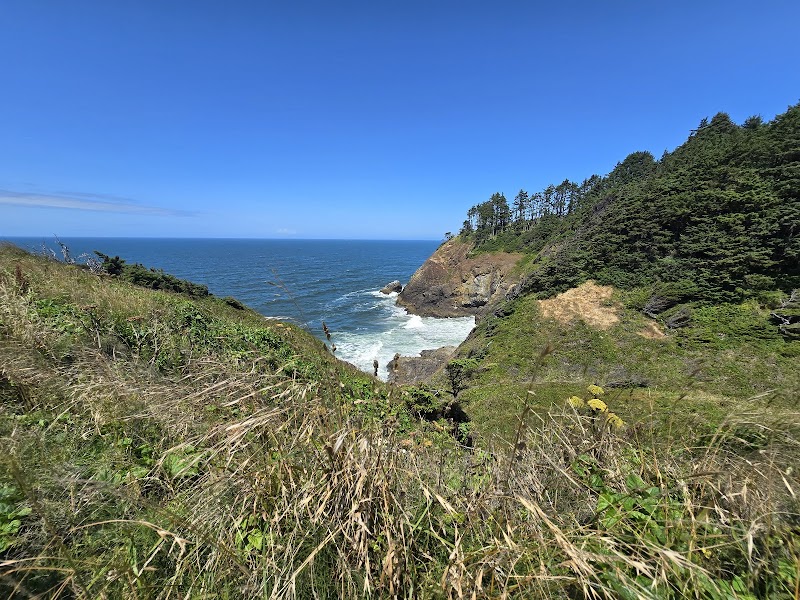
The Columbia River Estuary covers the broad, complex area where the Columbia River discharges into the Pacific Ocean, forming one of North America's largest estuarine environments. Spanning parts of northern Oregon and southern Washington, this estuary supports a diverse range of habitats including tidal wetlands, mudflats, marshes, and riparian forests. These habitats are crucial for fish species like salmon and sturgeon, as well as migratory shorebirds, waterfowl, and other wildlife. Historically, the estuary has been a center for Indigenous cultures for thousands of years, providing rich fishing and gathering grounds. Today, much of the estuary is protected through various designations including National Wildlife Refuges such as the Julia Butler Hansen Refuge for the Columbian White-tailed Deer and part of the Columbia River Gorge National Scenic Area. The region’s environment sustains significant ecological functions including water filtration, storm buffering, and as breeding grounds for anadromous fish. Outdoor enthusiasts are drawn to recreational activities such as kayaking, birdwatching, hiking, and fishing. Key landmarks include the confluence at the Columbia River's mouth, historic lighthouses, and interpretive centers that highlight the estuary’s cultural and natural heritage. The landscape presents scenic vistas with the meeting of river and ocean tides, making it a unique destination for observation, education, and quiet outdoor adventure.