Wilderness Landscape & Natural Heritage
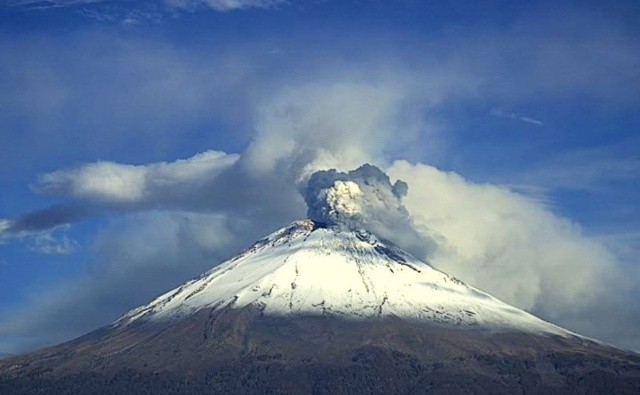
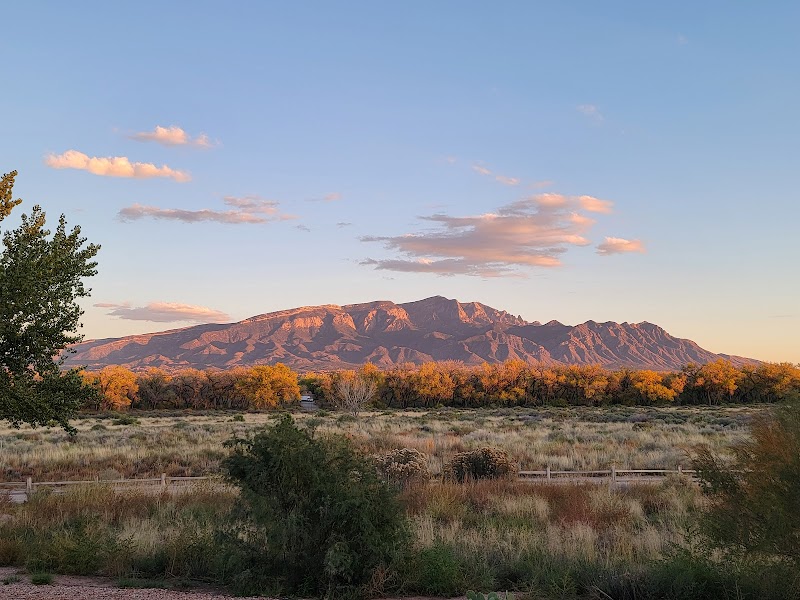
The Corredor Biológico Interurbano is an ecological corridor located primarily in Mexico City's Federal District (Distrito Federal) and extending into the neighboring state of Morelos. This protected green belt connects fragmented forest patches and urban parks, serving as a vital link for wildlife migration and plant dispersal within one of the most densely populated metropolitan areas in the world. The corridor spans rugged terrain including parts of the Ajusco mountain range, volcanic remnants, and forested slopes, featuring pine-oak forests, xeric scrublands, and riparian areas.
Historically, rapid urban expansion fragmented the natural habitats surrounding Mexico City. The establishment of the Corredor Biológico Interurbano aimed to preserve biodiversity hotspots, maintain ecosystem services such as air purification and water regulation, and provide urban residents with accessible nature areas. Key protected zones within the corridor include heavily forested areas where species such as the Mexican pine (Pinus montezumae) and ocelots find refuge.
Visitors to the corridor enjoy a range of outdoor activities including hiking along mountain trails, bird watching, and mountain biking. Notable landmarks include scenic viewpoints overlooking the Valley of Mexico and volcanic formations intertwined with dense forests. The corridor also supports important ecological functions by connecting large natural areas such as the Sierra de Ajusco-Chichinautzin Biosphere Reserve and the Desierto de los Leones National Park.
Its proximity to urban centers makes the Corredor Biológico Interurbano an indispensable green lung for Mexico City, a hotspot for environmental education, and a hub for community-driven conservation efforts. The corridor exemplifies how urban and natural landscapes can coexist, promoting sustainable recreation and wildlife preservation in a major metropolitan region.