Wilderness Landscape & Natural Heritage
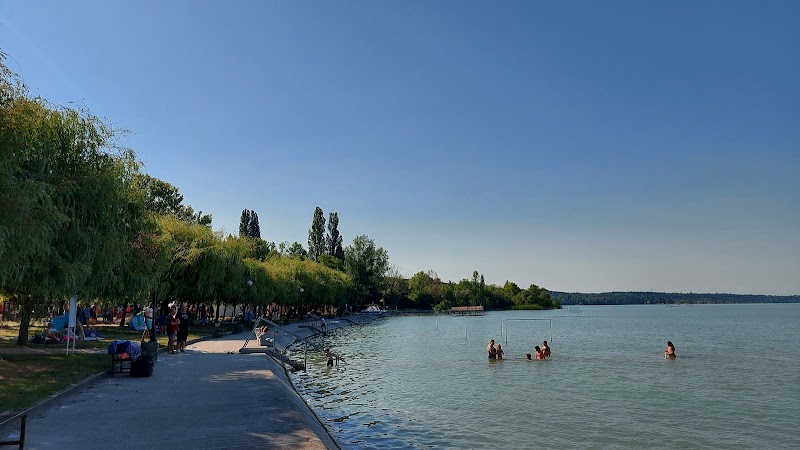
Danube-Drava National Park stretches across approximately 490 square kilometers in southern Hungary, preserving one of Central Europe's most important riparian landscapes along the Danube and Drava rivers. Established in 1996, the park protects mosaic habitats including floodplain forests, marshes, oxbows, grasslands, and wetlands, which sustain an extraordinary wealth of biodiversity. These floodplains are some of the last remaining natural ecosystems shaped by the rhythms of the Danube's and Drava’s seasonal inundations, making it a key refuge for many rare and endangered species. The park is internationally recognized as part of the Danube-Drava Biosphere Reserve and a designated Ramsar Wetland of International Importance. Visitors to the park can engage in a variety of outdoor activities such as birdwatching, hiking, canoeing, and wildlife photography, especially during spring and fall migration seasons when hundreds of bird species, including white-tailed eagles, black storks, and herons, congregate in the area. The cultural landscape is dotted with traditional Hungarian villages, historic mills, and fishing spots that reflect centuries of harmonious living with the rivers. Key landmarks include the St. András Island nature reserve, the Mohács floodplain, and various observation towers. Danube-Drava National Park offers a serene, largely unspoiled environment attracting both nature lovers and researchers, with well-maintained trails and interpretive centers that enhance visitor experience and understanding of the region’s ecological and cultural significance.