Wilderness Landscape & Natural Heritage
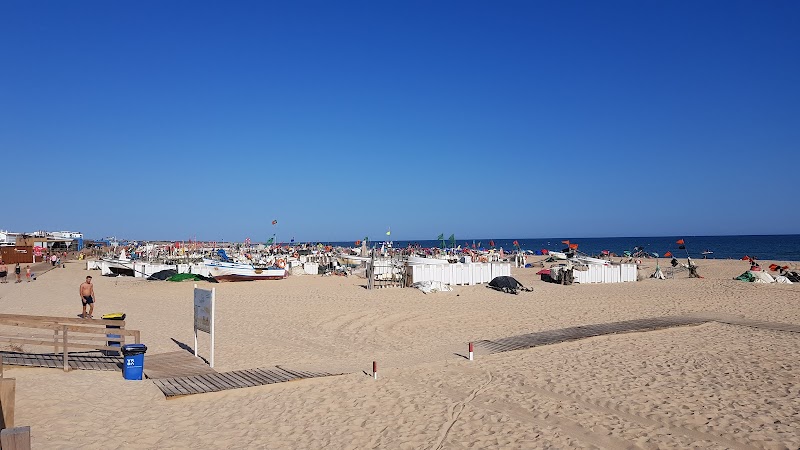
Covering approximately 543,000 acres in the provinces of Huelva, Seville, and Cádiz, Andalusia, the Doñana Biosphere Reserve is one of Europe's most important protected natural areas. Characterized by its unique blend of marshes, sand dunes, Mediterranean scrubland, and oak groves, the reserve hosts a remarkable variety of ecosystems and is considered a crucial stopover for millions of migratory birds traveling between Europe and Africa. Established officially as a national park in 1969 and designated as a UNESCO Biosphere Reserve in 1980, Doñana has a rich history tied to traditional fishing, hunting, and conservation efforts. Wildlife viewing is second to none here, especially for birdwatchers who can witness species such as the endangered Iberian lynx, Spanish imperial eagle, flamingos, and various waterfowl. Outdoor recreation activities primarily focus on guided wildlife tours, birdwatching, photography, and hiking on designated trails that wind through the park’s varied terrain. The reserve also incorporates important archaeological and cultural sites, such as Roman ruins near the Guadalquivir River. Visitors are drawn by the tranquility of one of Europe’s largest wetlands, its complex network of lagoons and streams, and the chance to see rare and emblematic species in their natural habitat. Conservation efforts remain a priority to protect this fragile environment against threats from agricultural expansion, water extraction, and climate change. Access to the reserve is carefully managed to minimize human impact while allowing meaningful nature experiences.