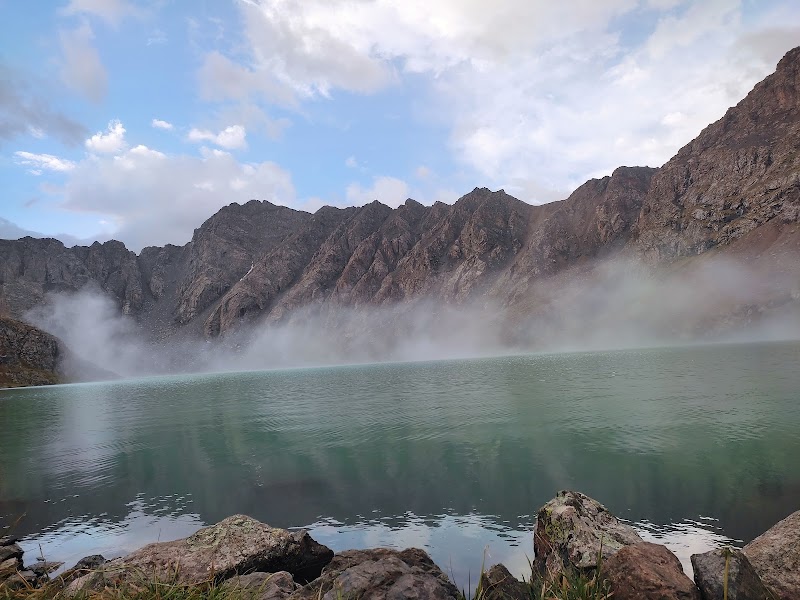
Wilderness Landscape & Natural Heritage
Dzhetyoguz Nature Reserve, located in the northern foothills of the Terskey Alatau mountain range near Issyk-Kul Lake in Kyrgyzstan, covers a diverse area of high-altitude forests, alpine meadows, and rugged mountainous terrain. Established in 1958, the reserve was created to protect the unique ecosystems and rare species of the region, including stands of old-growth fir, spruce, and juniper forests. The reserve's name translates to "Seven Glades," a reference to the series of distinct meadows that provide critical habitat for diverse flora and fauna. It supports species such as snow leopards, ibex, brown bears, and the endangered Tian Shan argali sheep. Visitors are drawn to Dzhetyoguz for its scenic hiking trails that weave through dense forests and open glades, offering panoramic views of the towering peaks of the Terskey Alatau. The reserve is also an important site for birdwatchers and botanists due to its varied habitats and endemic species. Historically, Dzhetyoguz has served as both a conservation area and a research site for studying mountain ecosystems. While it is less developed for tourism than major national parks, it appeals to travelers seeking remote wilderness experiences and cultural insights into Kyrgyzstan's natural heritage. The reserve's proximity to the resort town of Karakol makes it relatively accessible while still maintaining its wild character. Opportunities for trekking, guided wildlife tours, and nature photography are key attractions. The reserve strives to balance ecological preservation with eco-tourism, ensuring that visitors can experience the pristine environment responsibly.