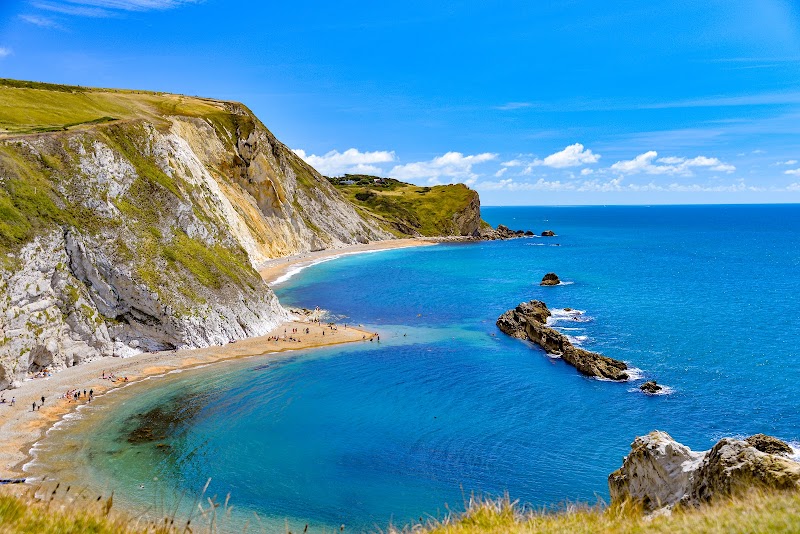
Wilderness Landscape & Natural Heritage
The English Channel Marine Conservation Zone (MCZ) encompasses a series of protected underwater habitats within the busy waters of the English Channel, one of the world's most important marine transit routes. Established to preserve biodiversity and maintain the ecological health of coastal and offshore waters, this MCZ covers several distinct habitats including sandy seabeds, rocky reefs, and areas of significant biological productivity. Its location between the southern coast of England and northern France places it at a critical juncture for migratory fish, seabirds, and marine mammals such as dolphins and seals. The zone is recognized for its ecological significance in supporting spawning grounds and nursery areas for commercial fish species, contributing to sustainable fisheries management. Outdoor enthusiasts and researchers value the zone for snorkeling, scuba diving, and marine wildlife watching, although access is carefully managed to protect sensitive areas. The history of the area includes long-standing shipping routes and wartime naval activity, with remnants such as underwater wreck sites accessible to experienced divers. Conservation efforts continue to focus on mitigating threats from shipping traffic, pollution, and fishing practices. Visitors are drawn to coastal towns adjacent to the MCZ for boat-based wildlife tours and beachcombing along the Channel's shores, making the zone an important natural resource connected to cultural heritage and contemporary marine science.