Wilderness Landscape & Natural Heritage
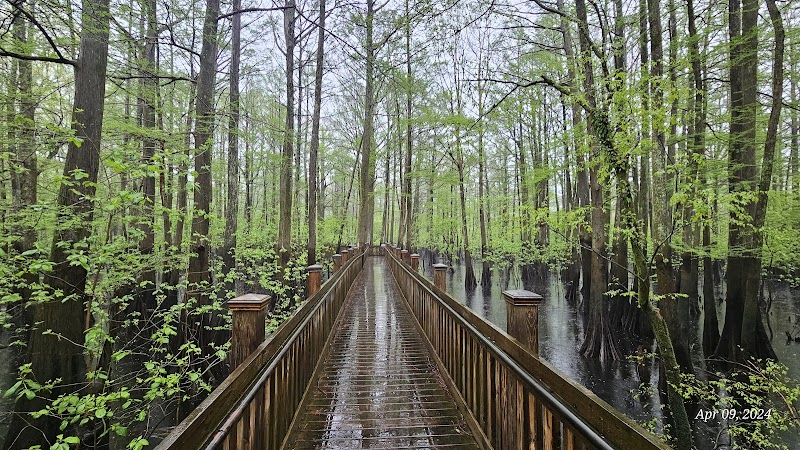
Entrerrian Wetlands represents a sprawling mosaic of swamps, marshes, and bottomland hardwood forests situated primarily in Arkansas and extending into Missouri. This protected wetland complex is part of the larger Mississippi Alluvial Plain ecosystem, shaped by historic river meanders and seasonal flooding patterns. The region's flat topography and fertile soil support dense vegetation, including bald cypress, water tupelo, and a variety of wetland grasses. Its waters nurture populations of fish such as largemouth bass and channel catfish, while the wetlands serve as a critical breeding and stopover site for migratory waterfowl including wood ducks, herons, and egrets. Historically, the wetlands were integral to Native American subsistence and later served as rich hunting and trapping grounds. Today, the Entrerrian Wetlands appeal to outdoor enthusiasts interested in birdwatching, fishing, kayaking, and wildlife photography. Trails and floating boardwalks provide immersive access to this fragile ecosystem without disturbing its delicate balance. Notable landmarks include the Big Bayou Conservation Area and several designated wildlife refuges that protect endangered species such as the Louisiana black bear and the red-cockaded woodpecker. The ephemeral beauty of the wetlands changes dramatically with the seasons, revealing a landscape alive with migratory birds in winter and lush vegetation in the summer months. Visitors find solace in its quiet, remote settings, perfect for nature study and eco-tourism. The area's conservation efforts emphasize sustainable recreation alongside habitat preservation.